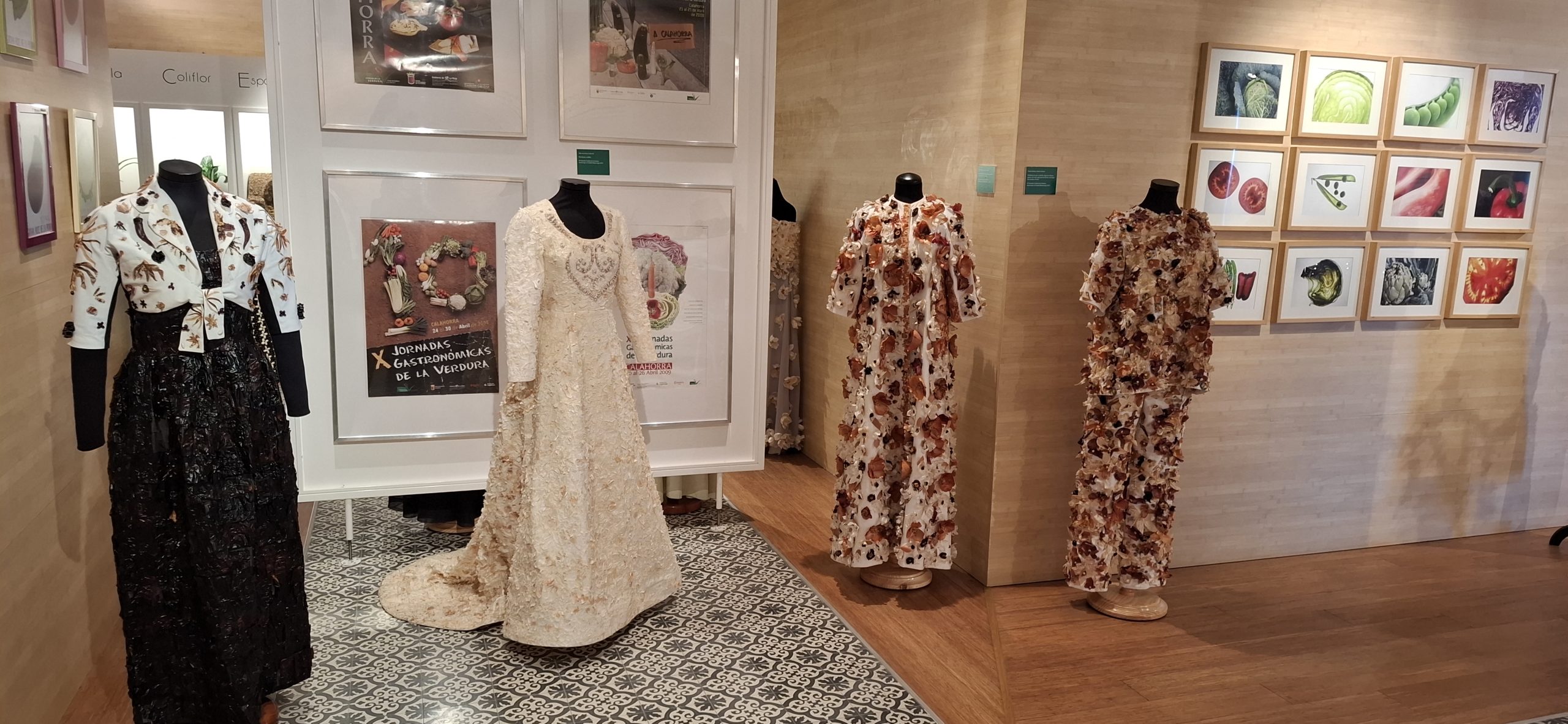
The Museum of the Vegetable of Calahorra is a tribute to the agricultural wealth of the region, especially to the orchard calagurritana, the legacy of which is fundamental to the identity of the city as the Capital of the Vegetable.
Through its interactive exhibits, the museum offers a comprehensive view of the agriculture of the Bank of the Ebro, from the growing to its transformation into high-quality products, including those that are part of the famous canning industry of the city.
A tour of the garden calagurritana
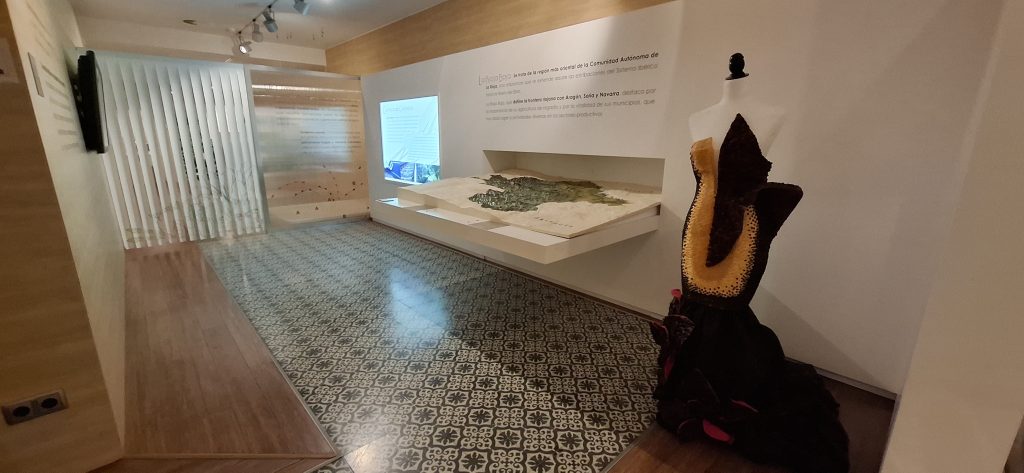
The museum is distributed in six exhibition spaces, each one dedicated to a key part of the agricultural process and gastronomy of the area:
1. The territory and the man: A first look at the connection between the natural environment of Calahorra and the life of its inhabitants.
2. Agriculture: an exploration of the agricultural techniques used in the region, focused on the cultures that define the city.
3.Our vegetables: a space dedicated to the most representative products of the vegetable garden calagurritana, celebrating its freshness and quality.
4.The conserved: here you will learn about the transformation of the fresh products in canned food, a tradition that is key in Calahorra.
5.Other systems of conservation: this section shows you the different ways to conserve and taste the products of the garden, from tradition to innovation.
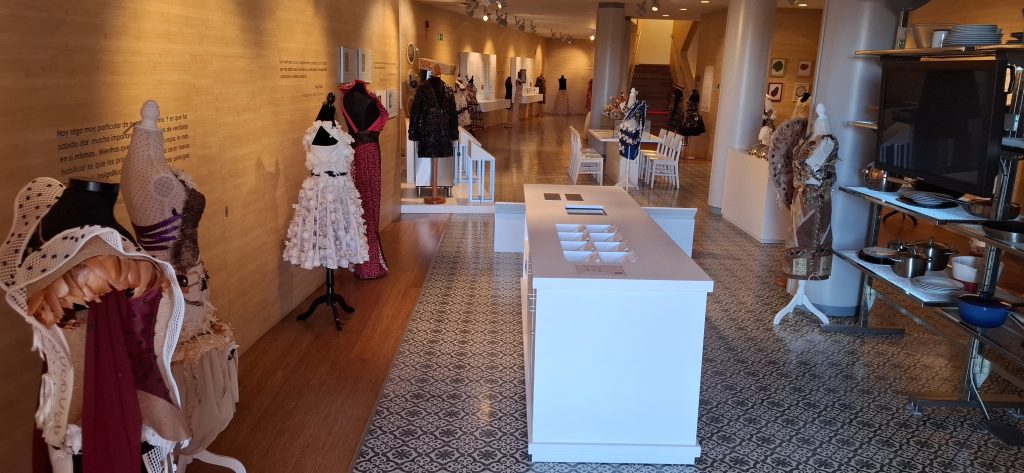
6. Everything to eat: A space dedicated to the cuisine, where the vegetables and their derivatives take the leading role in the local cuisine.
An interactive and didactic
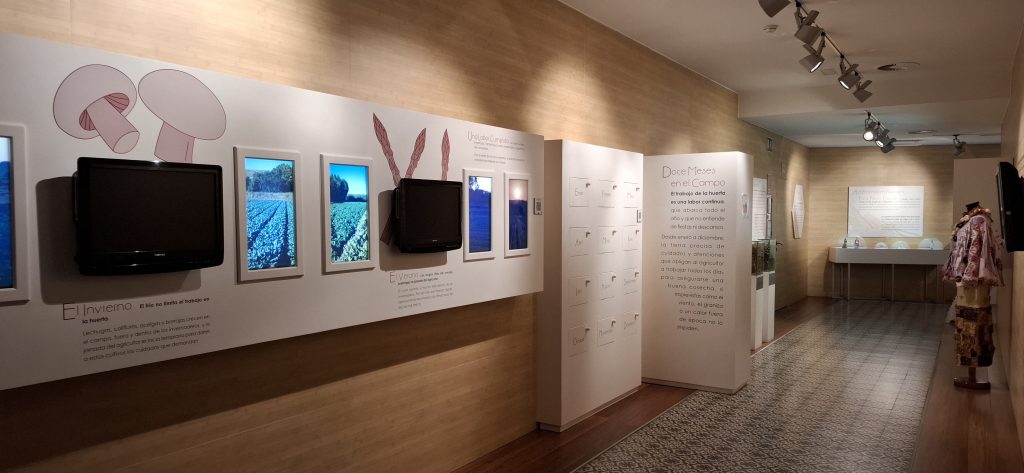
With a surface area of 440 m2, the Museum of the Vegetables not only provides a visual experience, but also interactive. Equipped with touch screens and games spread over six galleries, the museum becomes an educational center that makes the story of the garden of Calahorra an experience that is entertaining and accessible for all ages.
The building
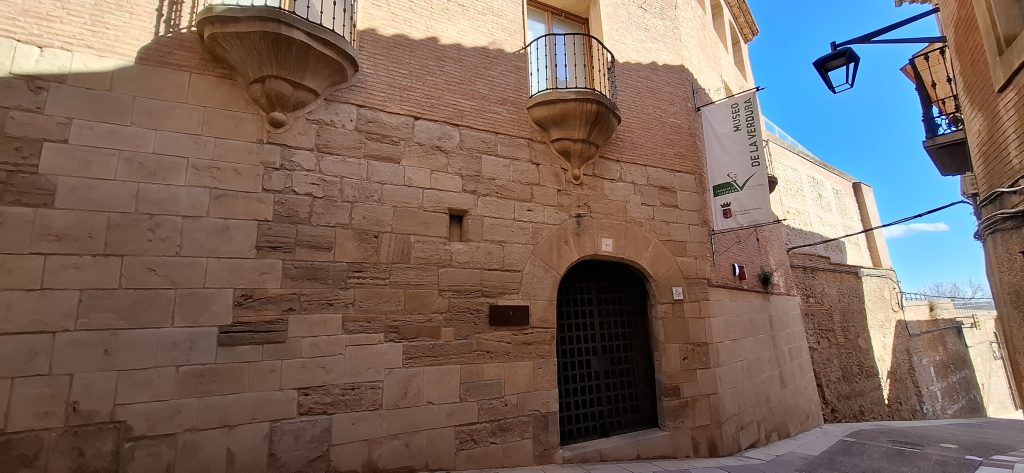
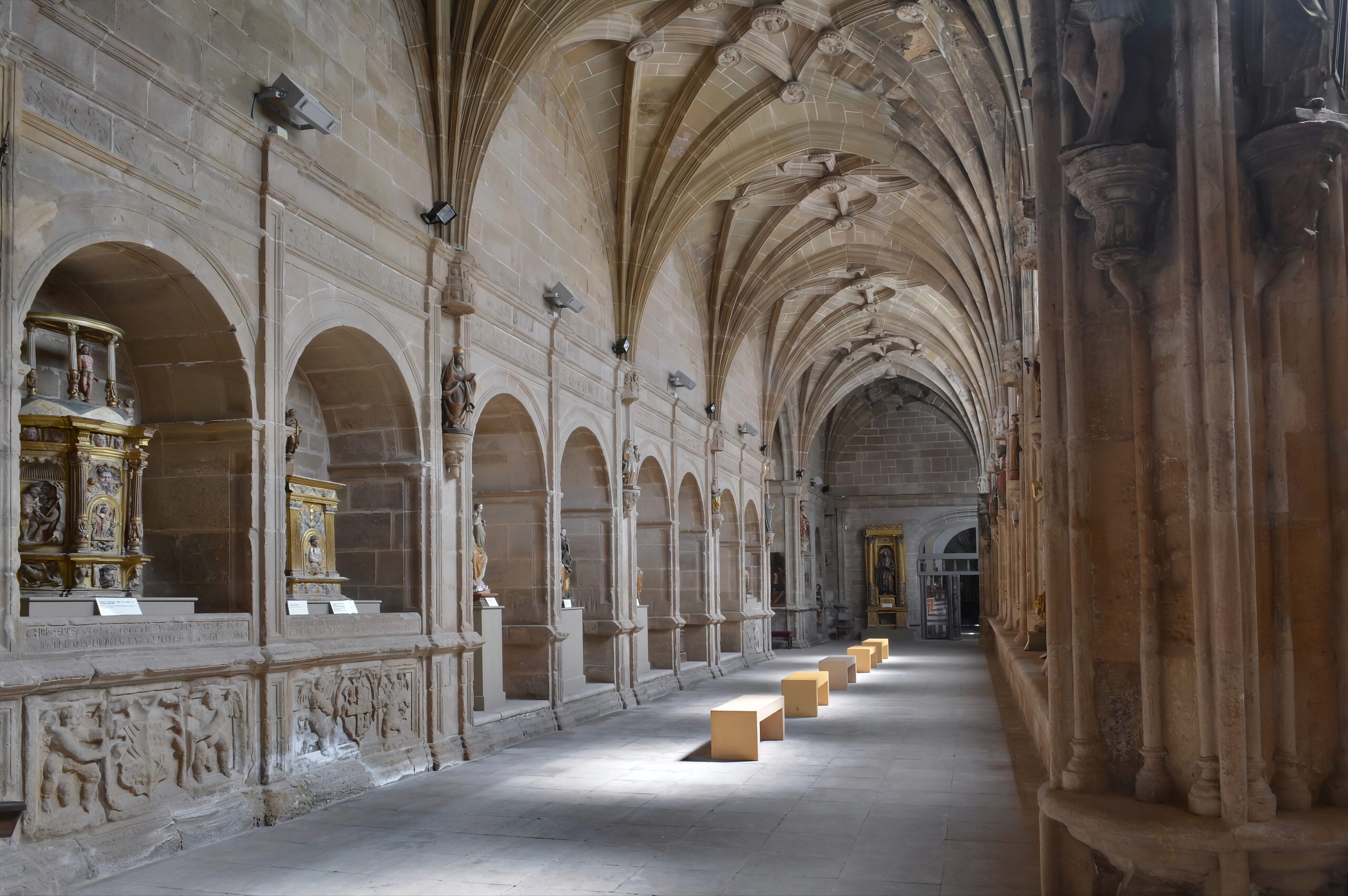
The museum is located in the old Convent of San Francisco, a SIXTEENTH-century building which has been carefully refurbished to provide a mix of history and modernity. The building retains its original facade of brick towards the Costs of the Cathedral, while the interior has been adapted to house the museum and its interactive exhibits.