
Located at the edge of La Rioja, Alfaro is known as the 'Key to Castile'. Its privileged geographical location, at the crossroads of roads and rivers, has made it a land disputed by different cultures throughout its history. Alfaro boasts a unique environmental phenomenon: the largest concentration of white storks in the world in a single building, the Colegiata de San Miguel, the largest temple in La Rioja and a Baroque gem. To enjoy nature, we can visit Monte Yerga (1,100 m) and the Los Sotos del Ebro Nature Reserve.
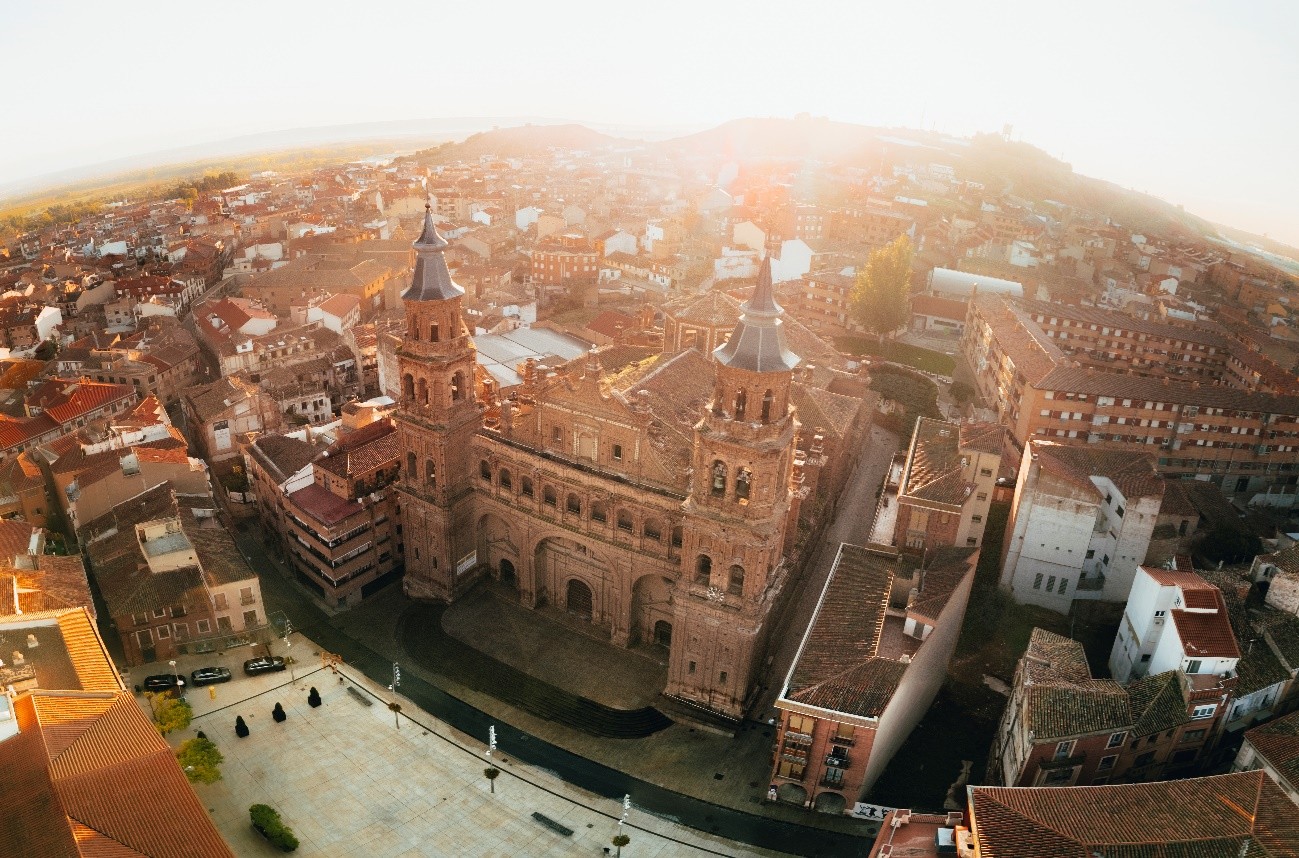
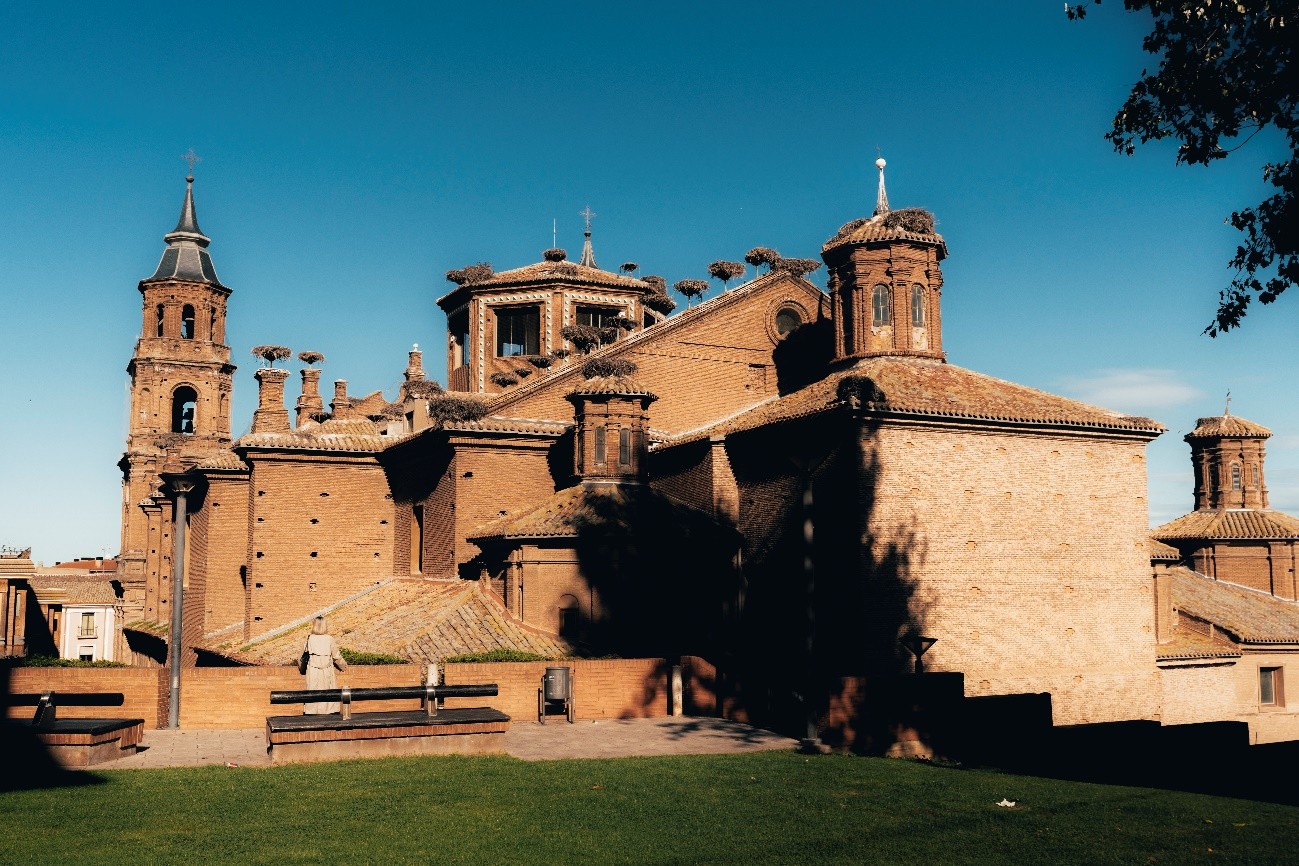
Construction of this temple began in the mid-16th century and took over 1,000 years to complete. It is Baroque in style, as evidenced by the use of red brick, the corbels, the arches and the geometric shapes decorating the façade. Located in the Plaza de España, in the heart of the town, its classicist façade is composed of two adjacent towers, each 50 metres high.
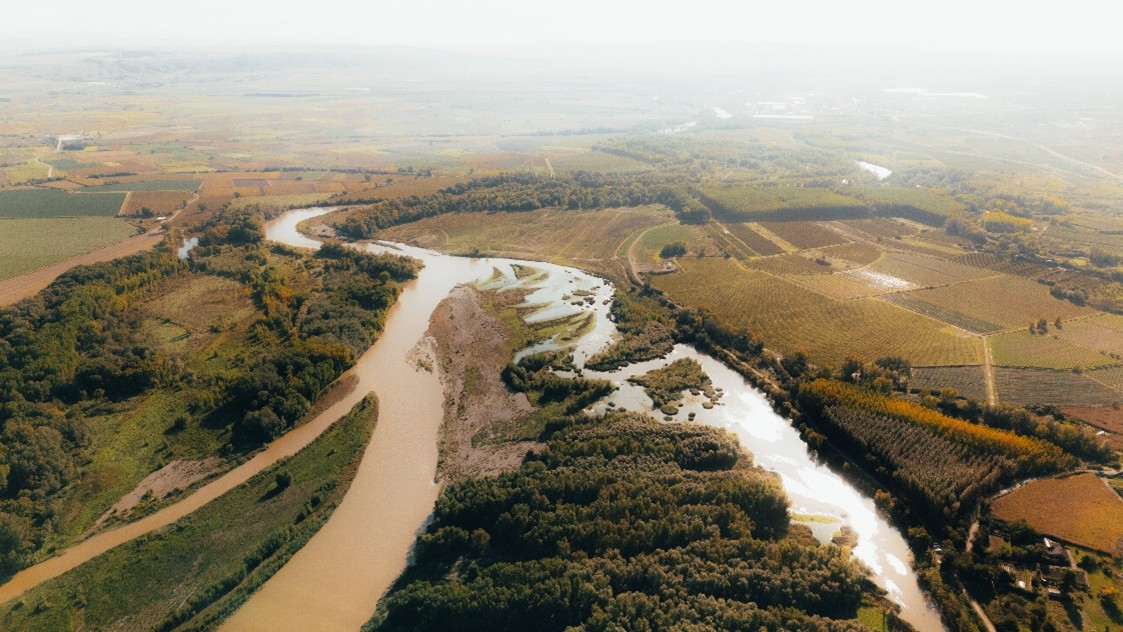
The municipality of Alfaro, located in the easternmost part of the autonomous community of La Rioja, is the largest in the province, covering 194 km from the banks of the middle section of the River Ebro to Mount Yerga. Due to its large size and strategic location within the Ebro valley, Alfaro has a rich diversity of habitats, attracting a multitude of wildlife that uses these areas for food or shelter. Birds are the most varied group, with more than half of the species found in Spain able to be observed throughout the year.