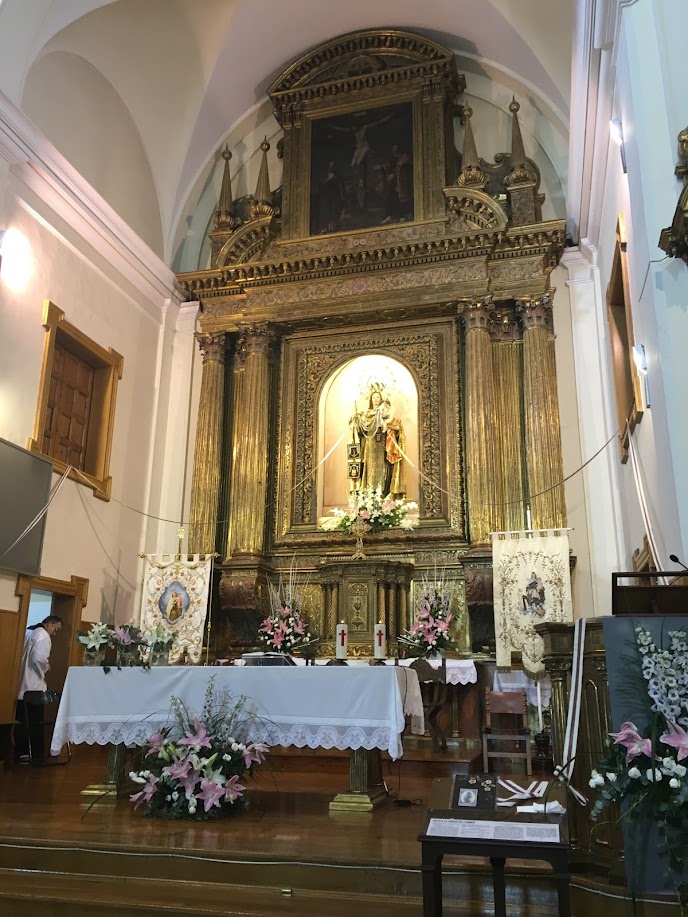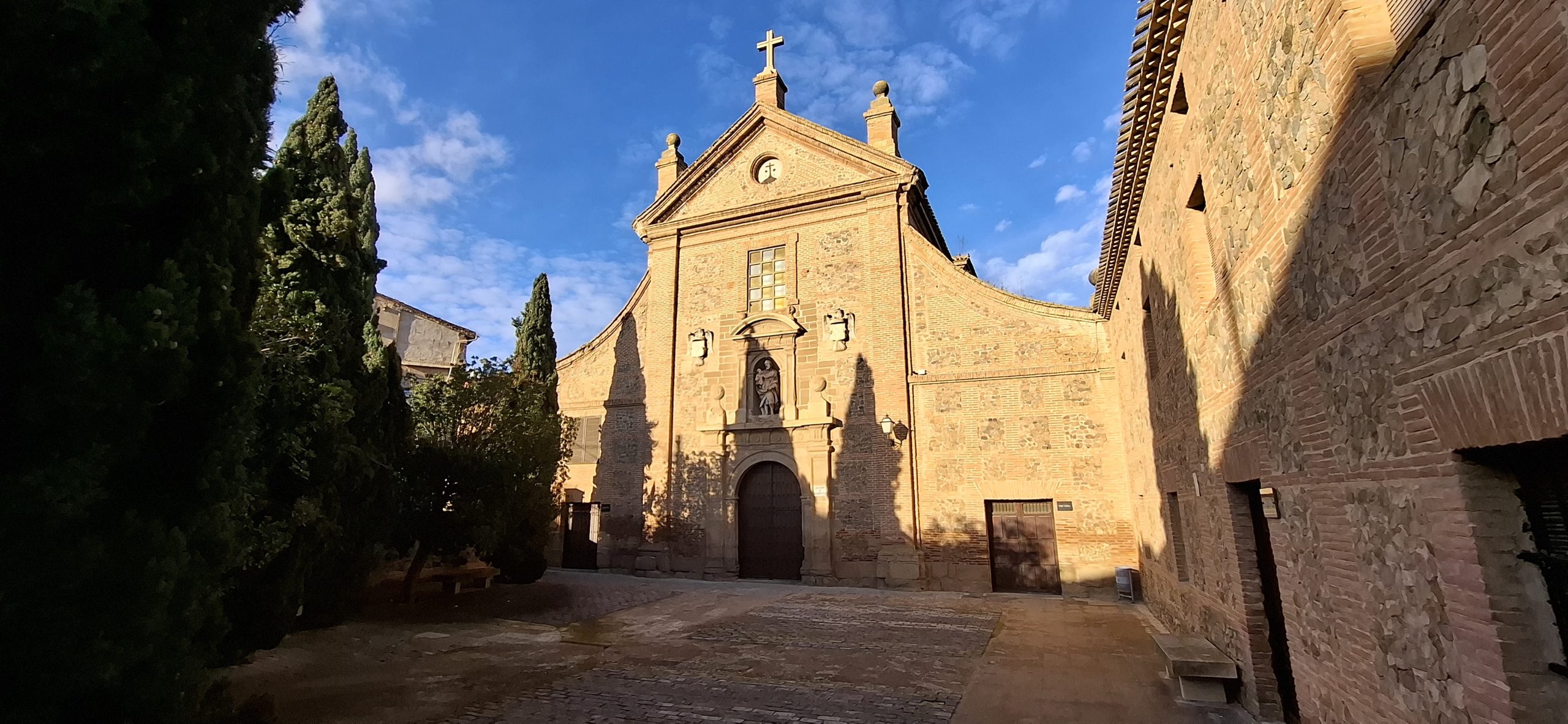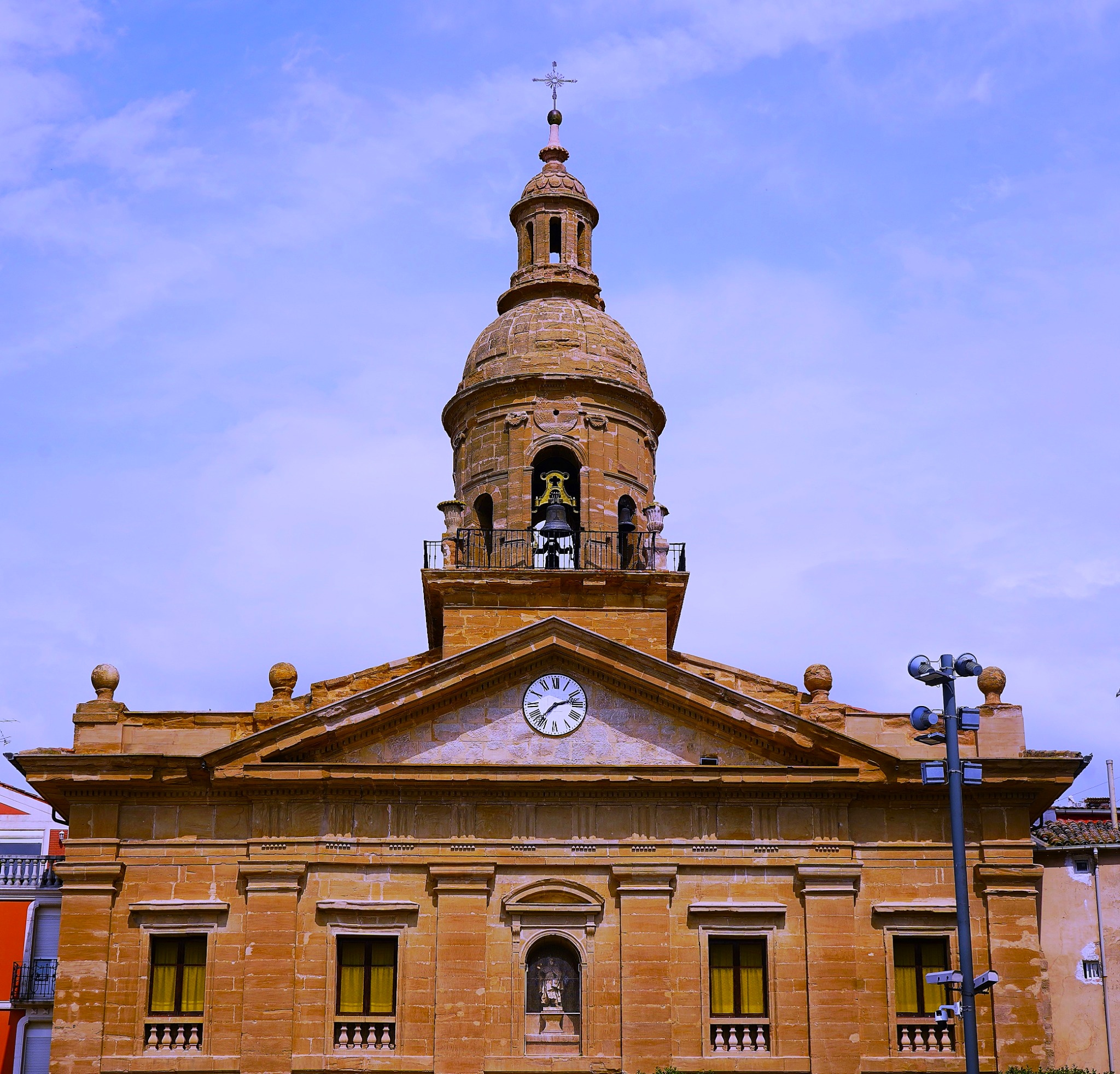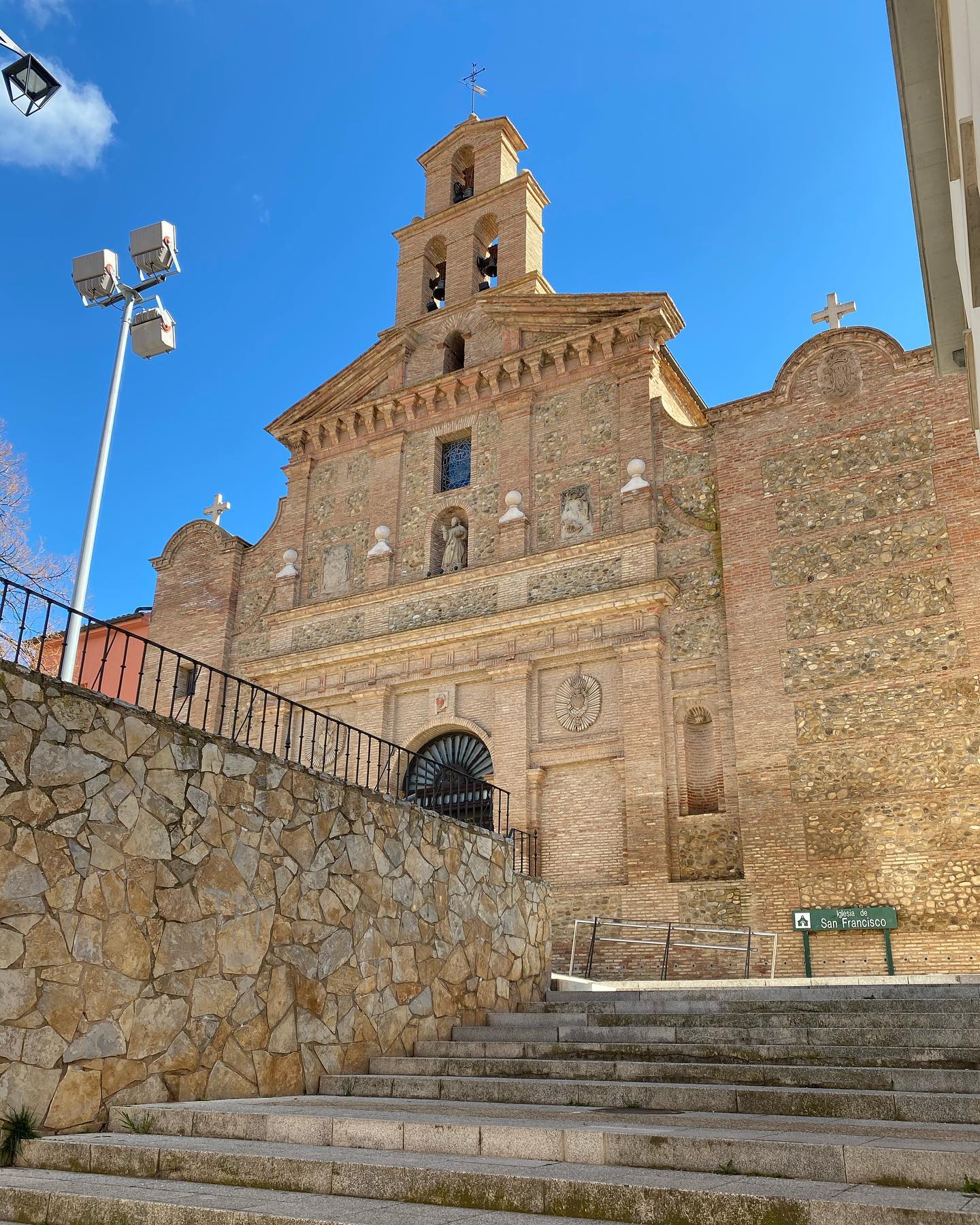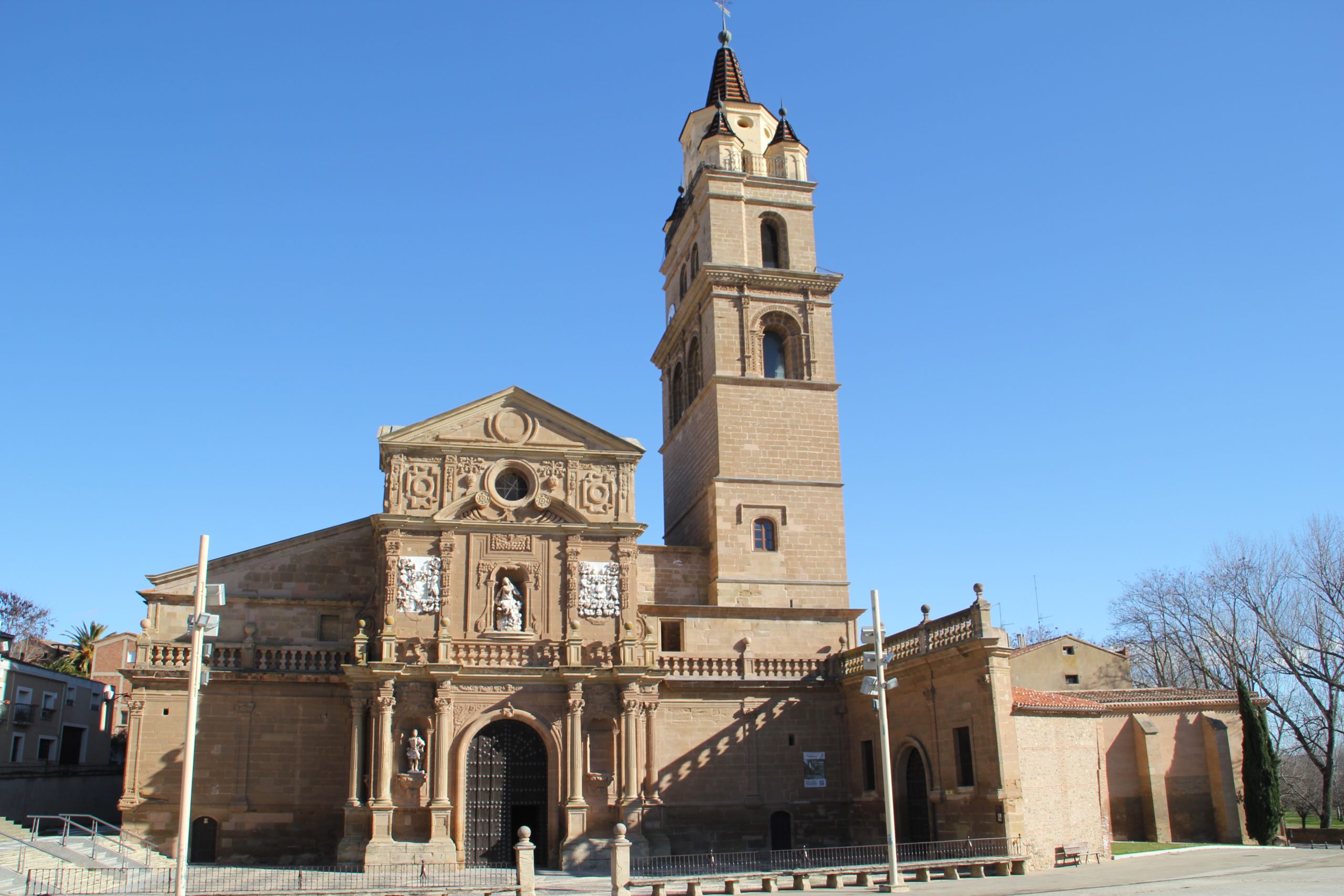
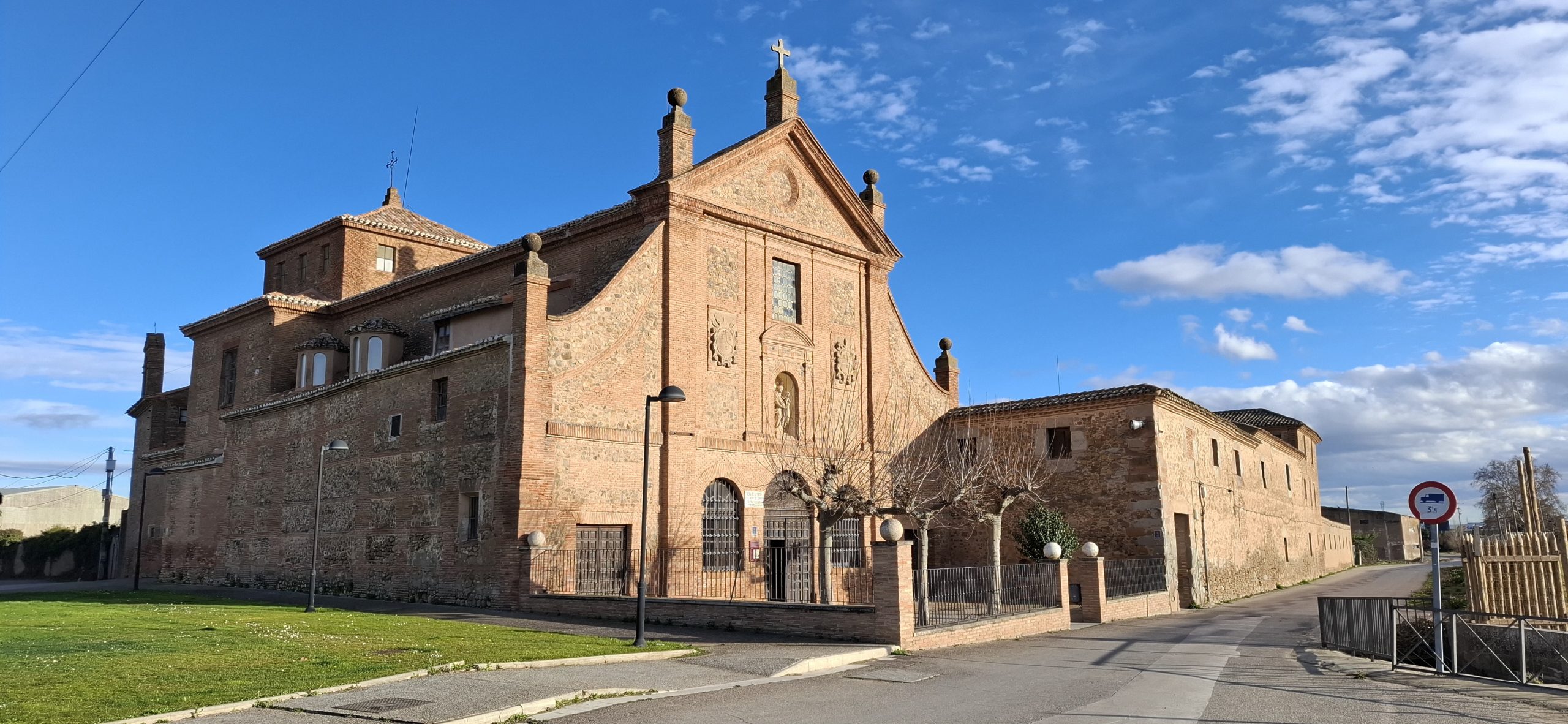
The Convent of the Discalced Carmelites, founded in 1603, on the outskirts of the city, was a construction directed by the carmelites. Over the centuries, the monastery has undergone several reforms and changes, being expanded in the second half of the EIGHTEENTH century with the construction of the ships side. In the mid-TWENTIETH century due to the need to restore the temple, sold several of its altarpieces, which has affected his current state and has moved away from its original design.
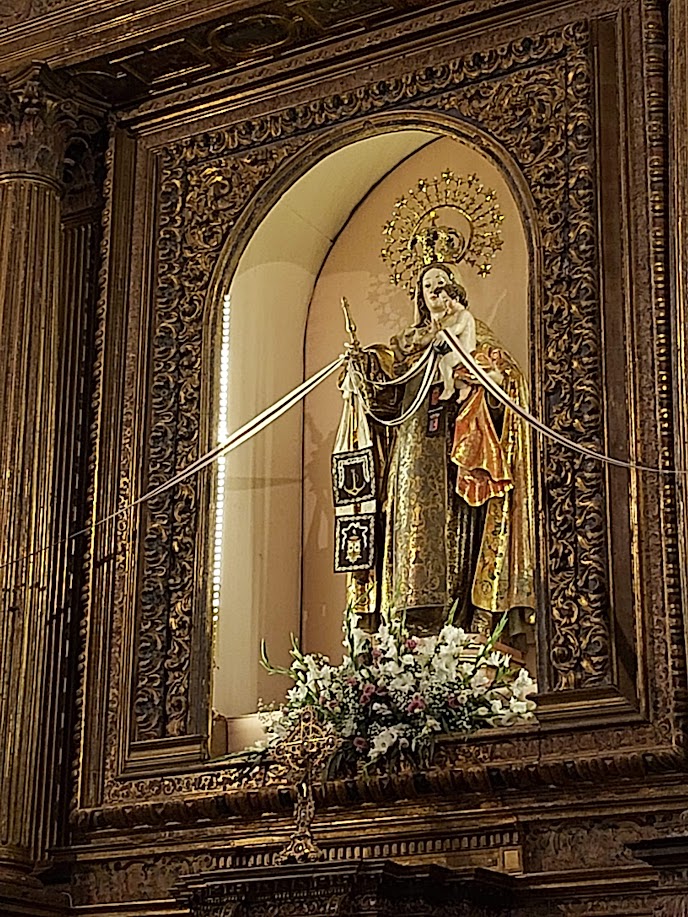
The interior of the convent houses an altarpiece classicist, the work of the tracistas of the Order, and the outstanding image of the Virgin of Carmen, attributed to Gregorio Fernández. This image was canonised as Queen of the Bank on July 16, 1957, and since then, every year festivals are held in his honor, with the presence of the faithful of the entire region.
One of the chapels, the most interesting is the last one on the right (the first as you enter the temple), which preserves the tombstone of bishop Alfonso de Mena y Borja, known as The Bishop Unbeliever. It earned this nickname because he did not believe that the friars were lifted at midnight to pray Matins. To verify that this was true, publicly apologized and asked to be buried in a place where the friars had to slam on his grave when entering to pray. Although the marker is located on the wall, instead of on the ground as he wished, this was done to avoid that got in the way of the step.
The convent suffered badly during the Confiscation of 1835-1837, known as the confiscation of Mendizábal. However, it was restored in 1883 by the carmelite fathers French, who belonged to the ecclesiastical province of Avignon-Aquitaine. In 1922, the monastery was occupied by the carmelite fathers in the Spanish province of Navarra, and in 1927, he went on to be managed by the carmelite fathers from the province of San Juan de la Cruz Burgos.