- The Vegetable Museum consolidates its growth in visitors by 13.9%
- The Holy House increases its visitor numbers thanks to cultural activities
- The Museum of Romanisation maintains high visitor numbers despite its temporary closure for accessibility and energy efficiency improvements.
Calahorra’s museums and heritage sites closed 2025 with an overall positive balance, reflecting the growing interest in the city’s cultural offerings and the impact of a varied, educational, engaging, and accessible program aimed at all audiences.
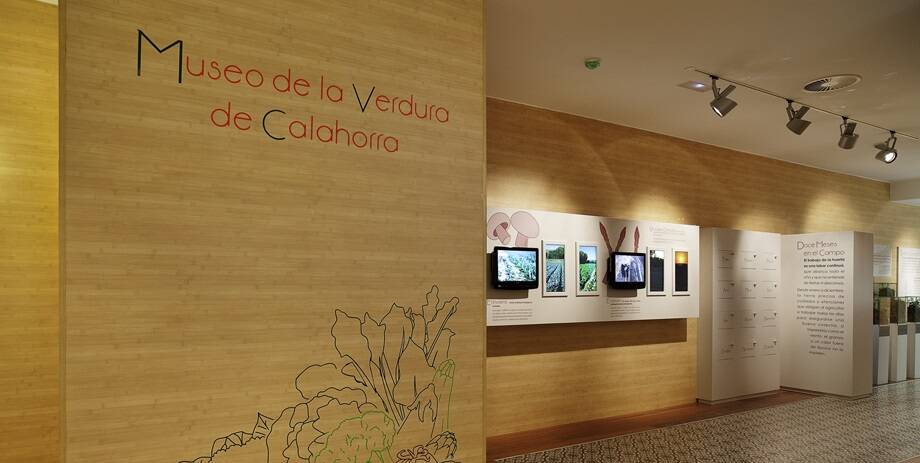
The Vegetable Museum, the only one in Spain dedicated to garden produce, registered a total of 4,831 visitors up to December 31, 2025, representing a 13.9% increase compared to the previous year.
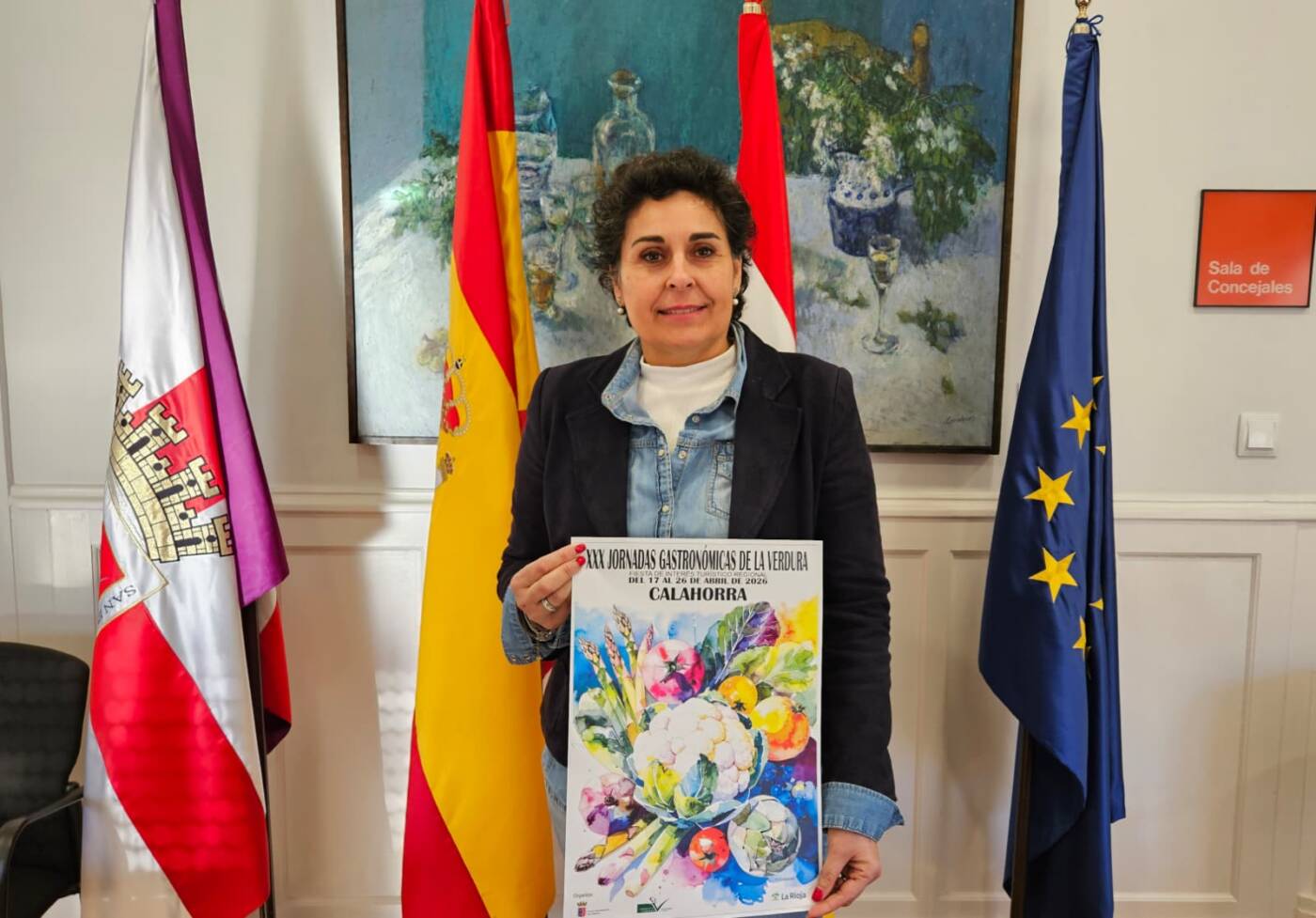
April was the busiest month, coinciding with the celebration of Holy Week, declared a Festival of National Tourist Interest, and the Vegetable Gastronomic Festival, a Festival of Regional Tourist Interest.
Regarding the visitor profile, a majority were women over 65 years of age. The Vegetable Museum received 68 organized groups, including schools, associations, the Imserso program (a Spanish government program for senior citizens), and other diverse groups. Most of these tourists came from La Rioja (26.35%), followed by the Basque Country (18.55%), Madrid (10.23%), and Catalonia (8%).
The Casa Santa-Inclusive Museum of the Bella Collection recorded 395 visits in 2025, compared to 309 in 2024. This increase is attributed to the organization of free cultural events such as guided tours, theatrical routes, and the Lunarte festival.
Visitor profile statistics coincide with those of the Vegetable Museum, with women from La Rioja, aged 26 to 65, being the primary visitors to this museum.
November, October, and May were the months with the highest number of visitors to Casa Santa.
The Museum of Romanization received 5,841 visitors between January 1 and October 5, 2025, the date on which it temporarily closed for accessibility and energy efficiency improvements.
During the past year, the museum hosted temporary exhibitions such as the 40th “Young Art Exhibition in La Rioja” and “Calahorra’s Commerce and Industry as Seen by its Photographers,” as well as talks, an escape room, and storytelling sessions, all of which drew significant audiences.
In addition, on August 2, it hosted a jazz concert as part of the Bimilenaria Cultural program, which saw high attendance.
Regarding the origin of visitors to the Museum of Romanization in 2025, the largest groups came from Calahorra (33.21%), Madrid (11%), the Basque Country (9.43%), and Catalonia (8.51%).
Visits to the archaeological sites of Calahorra also enjoyed a strong public response last year.
The ‘La Clínica’ site was visited through guided tours, with the highest attendance concentrated in July, attracting a predominantly local audience and coinciding with the open house at the experimental archaeology field, organized by UNIR in collaboration with the Calahorra City Council.
Meanwhile, the ‘Las Medranas’ site and the ‘Torreón de Portillo de la Rosa’ received 127 visitors, mainly from Calahorra. March was the busiest month for these sites, thanks to the program of free guided tours.
Overall, these figures confirm Calahorra’s consolidation as a leading cultural and heritage destination, as well as the public’s support for the free educational and outreach activities programmed to attract visitors and strengthen the connection between citizens and their historical and cultural heritage.
Improvements to the Museum of Romanization
Last year, improvements and modernization works began at the Museum of Romanization. These included replacing the existing lighting system with LED technology, installing a heat pump, fan coil units, and interior ductwork, as well as upgrading the exterior woodwork and part of the building envelope.
Photovoltaic panels will also be installed for electricity generation, along with a controlled mechanical ventilation system with heat recovery.
The project also includes the installation of an aerothermal system for domestic hot water production and numerous improvements to overall accessibility to the museum.
All of these improvements will make the Museum of Romanization a more accessible, sustainable, and attractive space to visit.
The Government of La Rioja will invest €638,225.39 in this project, which is part of the Recovery, Transformation and Resilience Plan (PRTR) funded by the European Union-NEXTGENERATIONEU under Component 14, “Modernization and Competitiveness Plan for the Tourism Sector.”