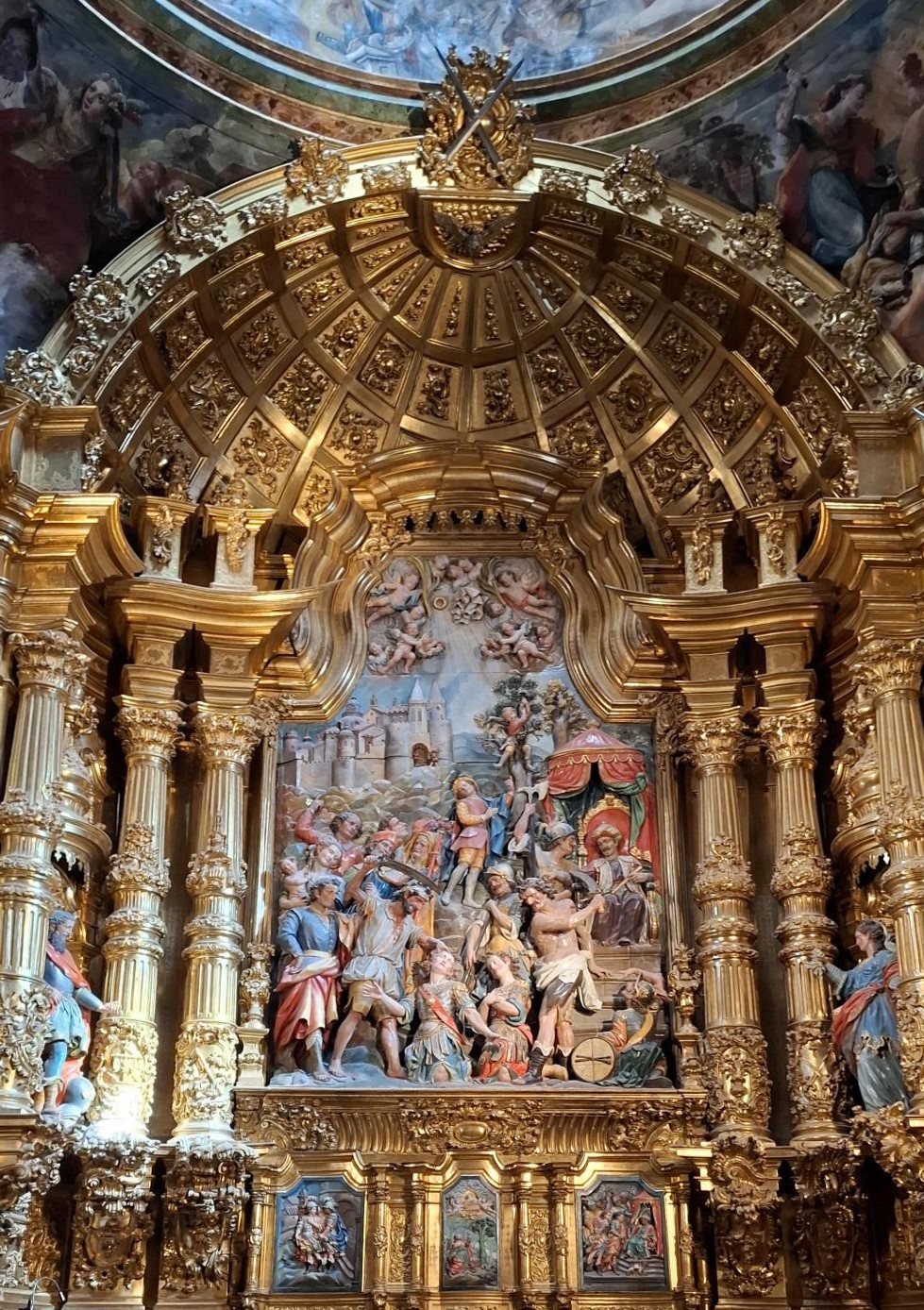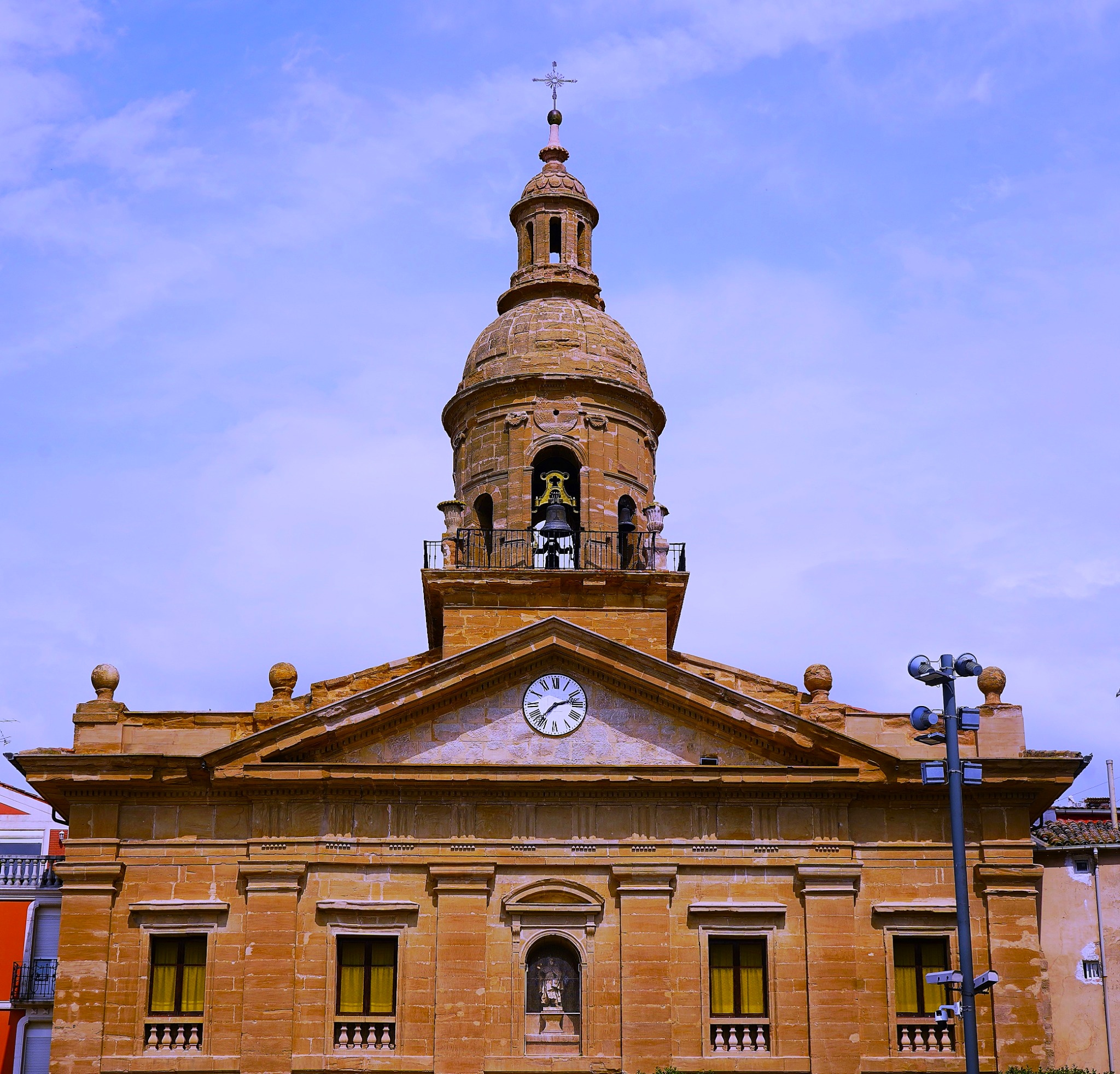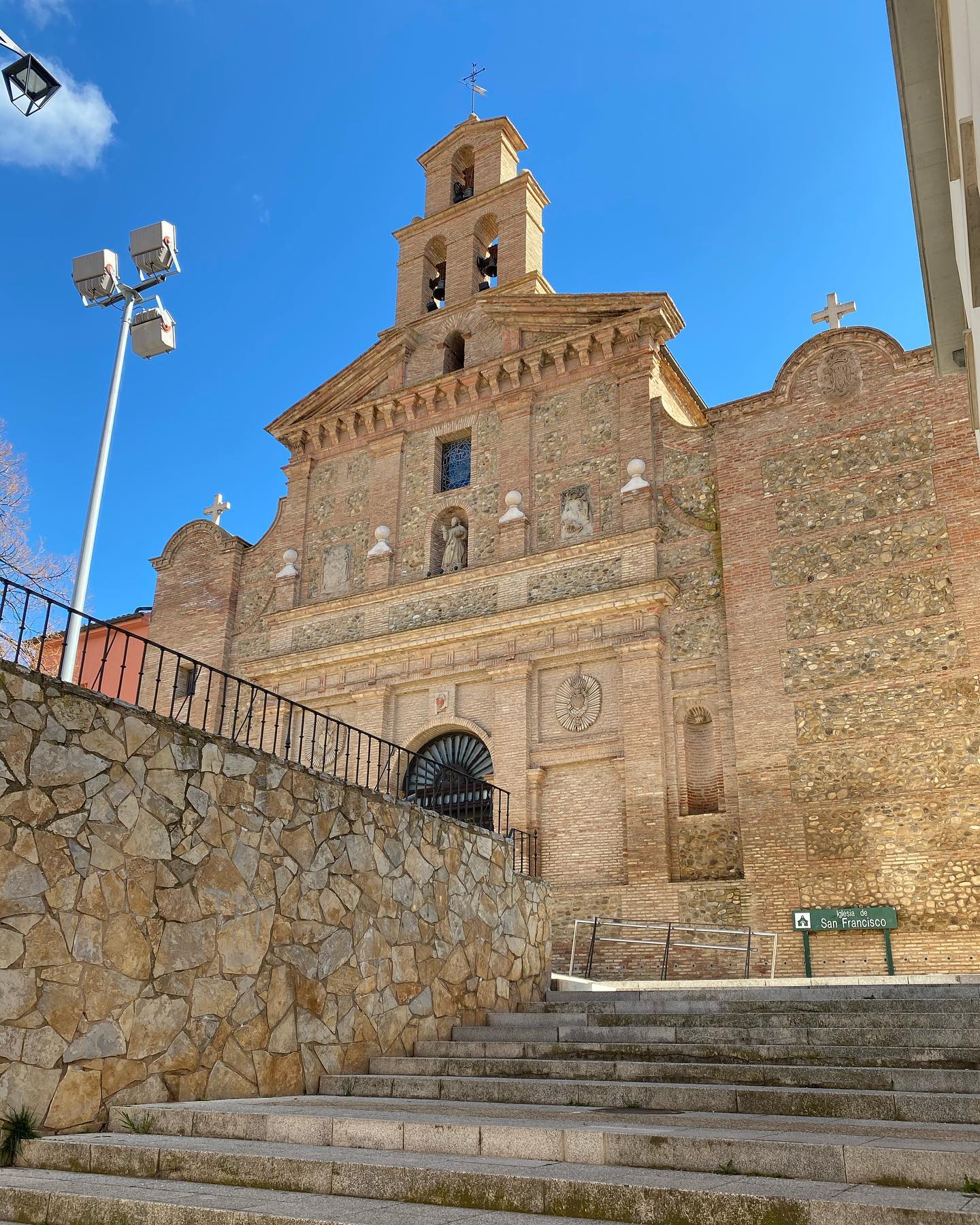
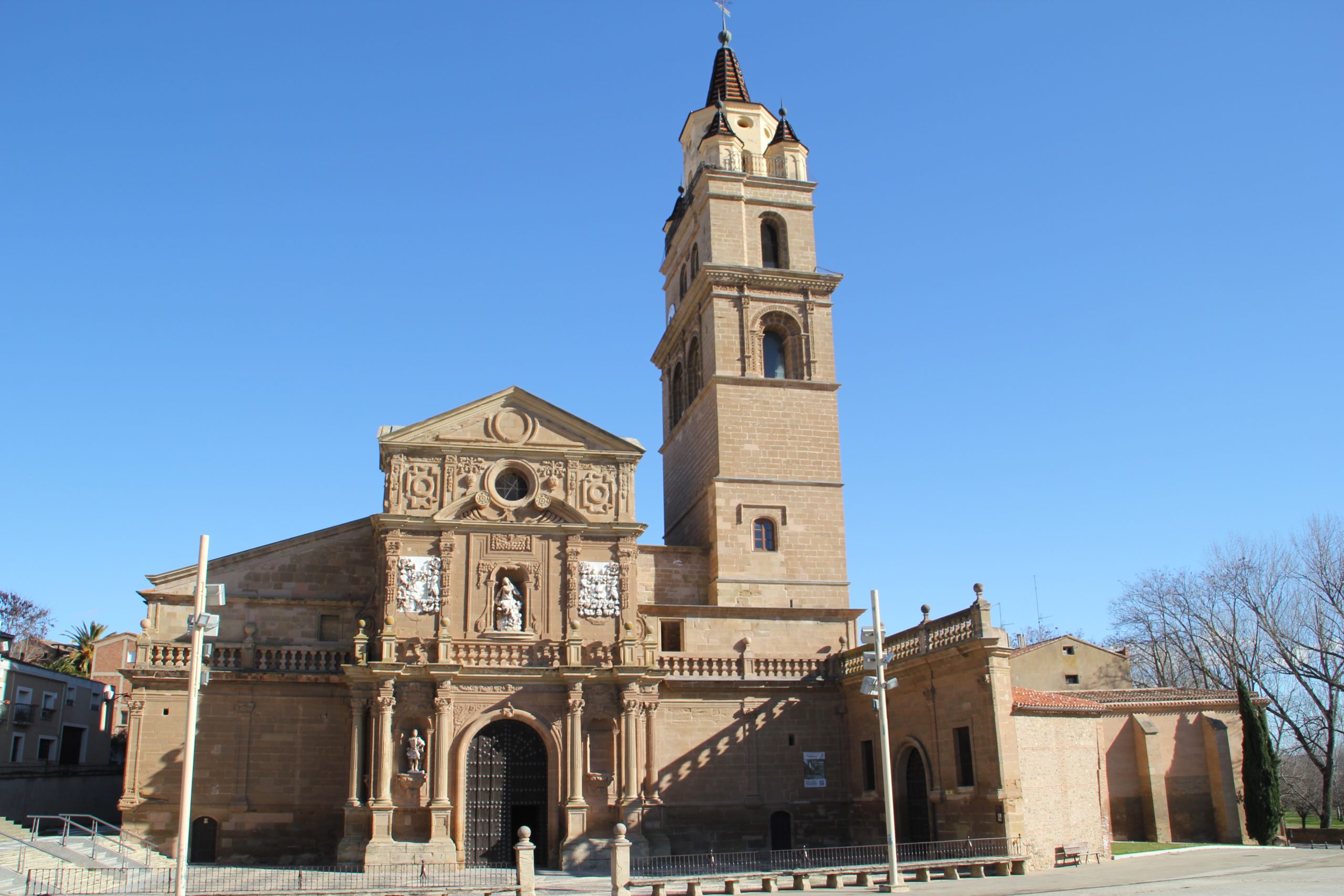
The Cathedral of Santa Maria stands majestically in the suburb of Calahorra, on the banks of the Cidacos river, guarded by the Episcopal palace and the Promenade of the Balls. Its origin dates back to the IV century d.C., when they built the first baptistery in honour of the martyrdom of the patron saints of the city, Emeterio and Celedonio, who were beheaded in this same place, by order of the Roman Empire. His relics are preserved in the cathedral, which was erected outside the walls of the city to respect the site where they had a place of his martyrdom.
He subsequently built a romanesque church that was serving with the features and the space just where the cathedral of Calahorra. This was extended to the south after the donations regias. Probably in the year 1132 the temple was again expanded, this time to the east.
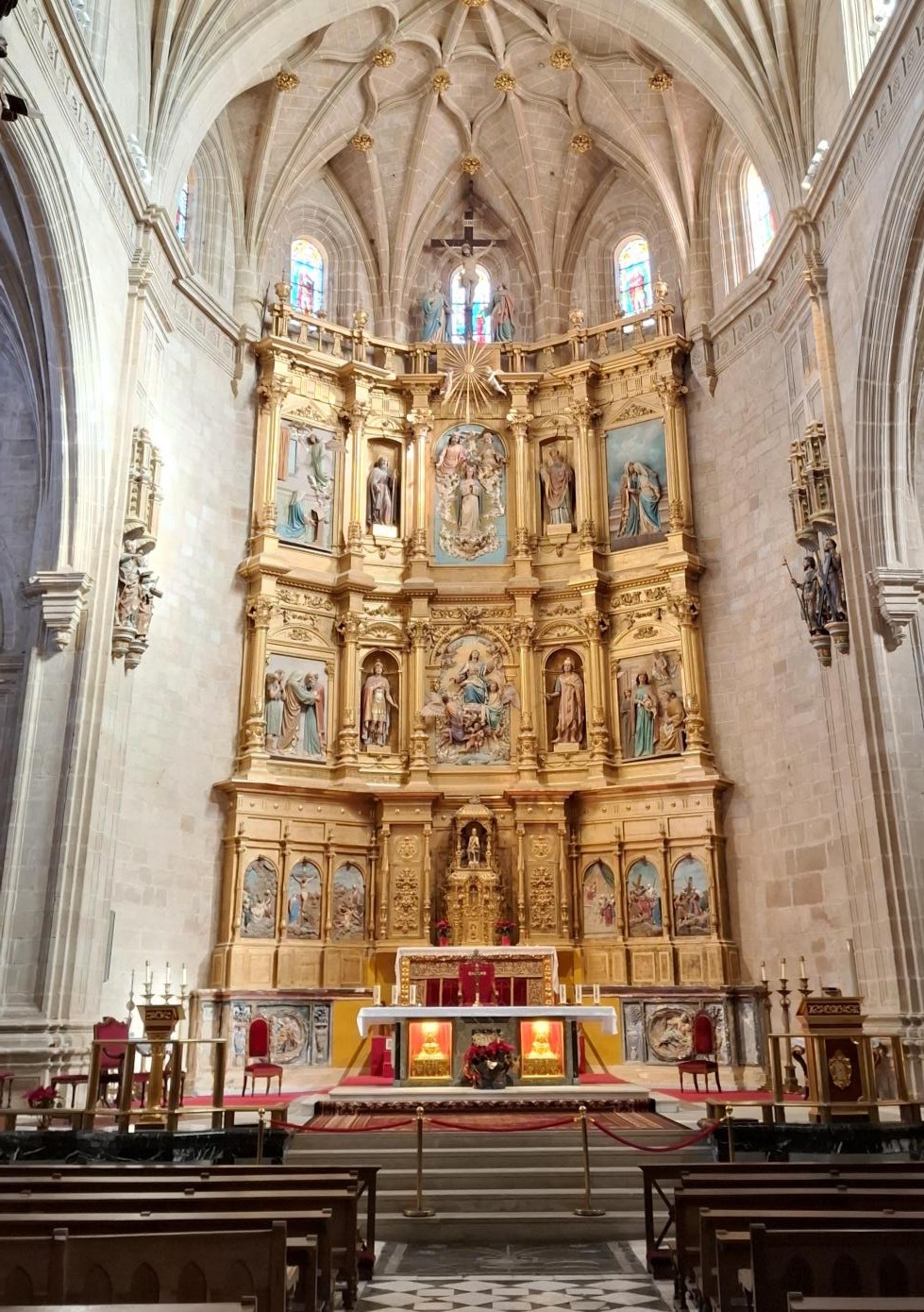
The current cathedral began to be built at the end of the FIFTEENTH century, and renewed the previous building. Its construction continued during the SIXTEENTH and SEVENTEENTH centuries, and was completed in 1900 with the installation of the new altarpiece of the high altar, after the fire that destroyed the previous one. This temple in late gothic style retains the structural coherence over the centuries, with a Latin cross floor plan formed by the main chapel, the transept and the nave. The central nave is wider and higher than the aisles, separated by six strong pillars that sustain the impressive height of the temple.
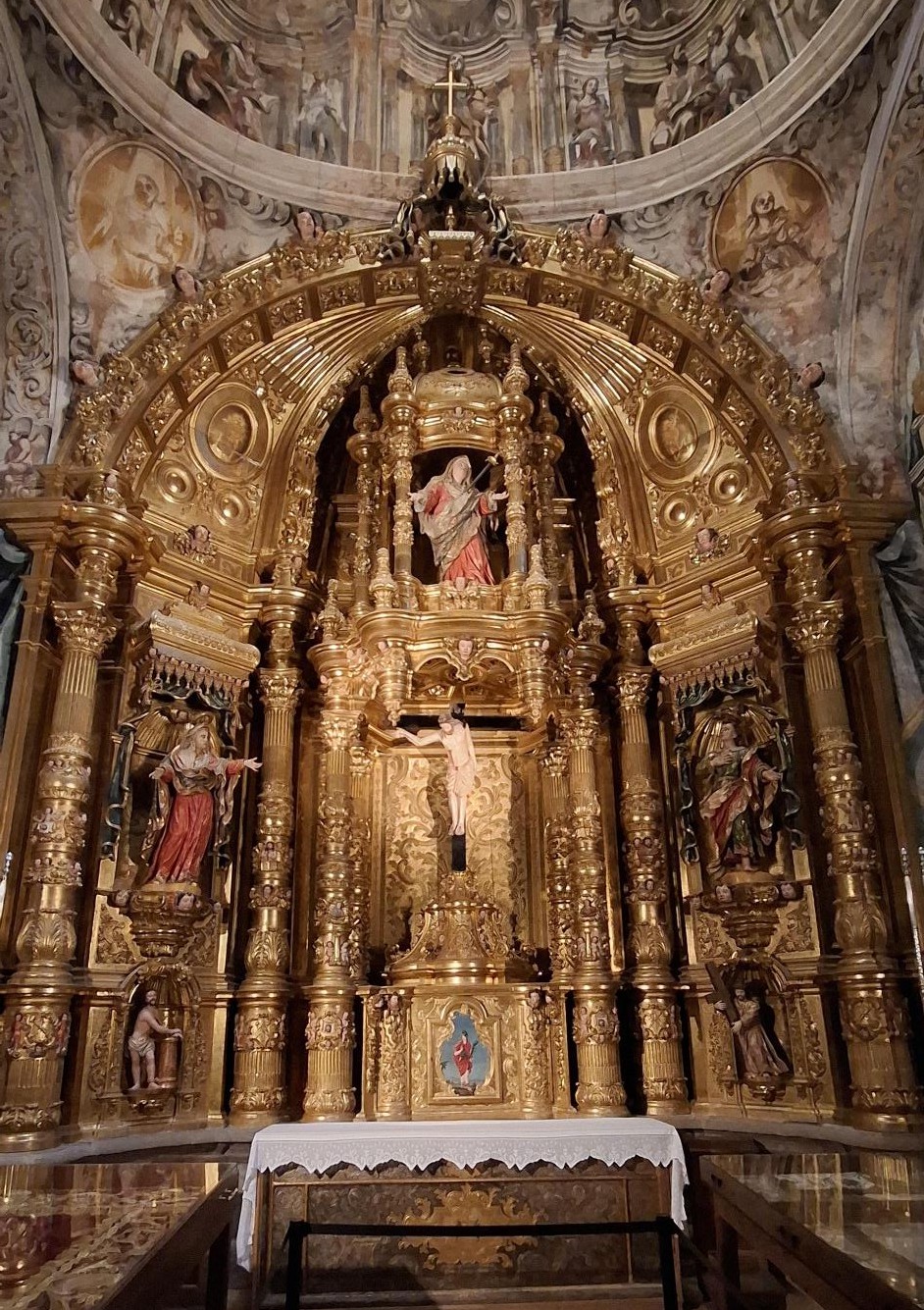
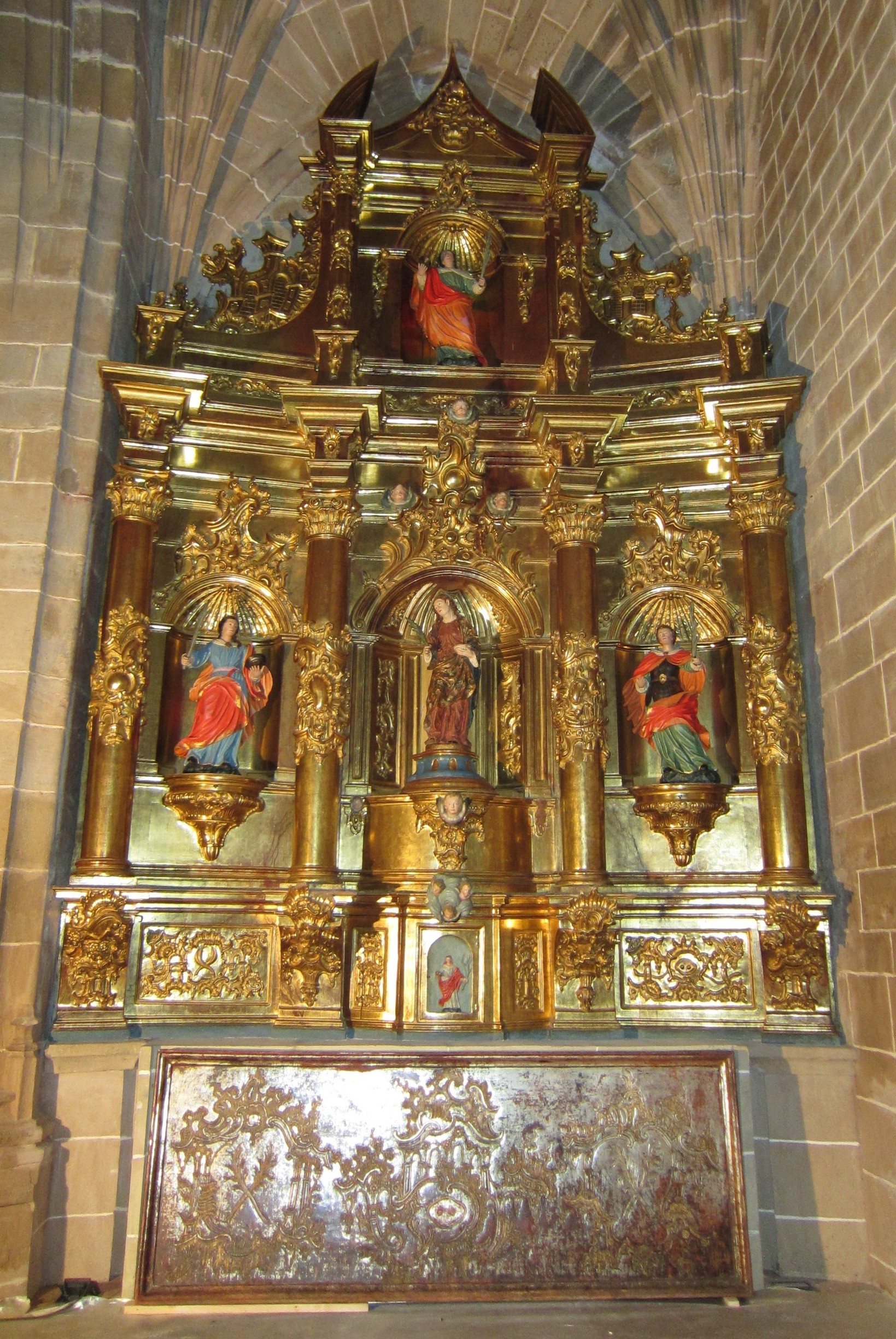
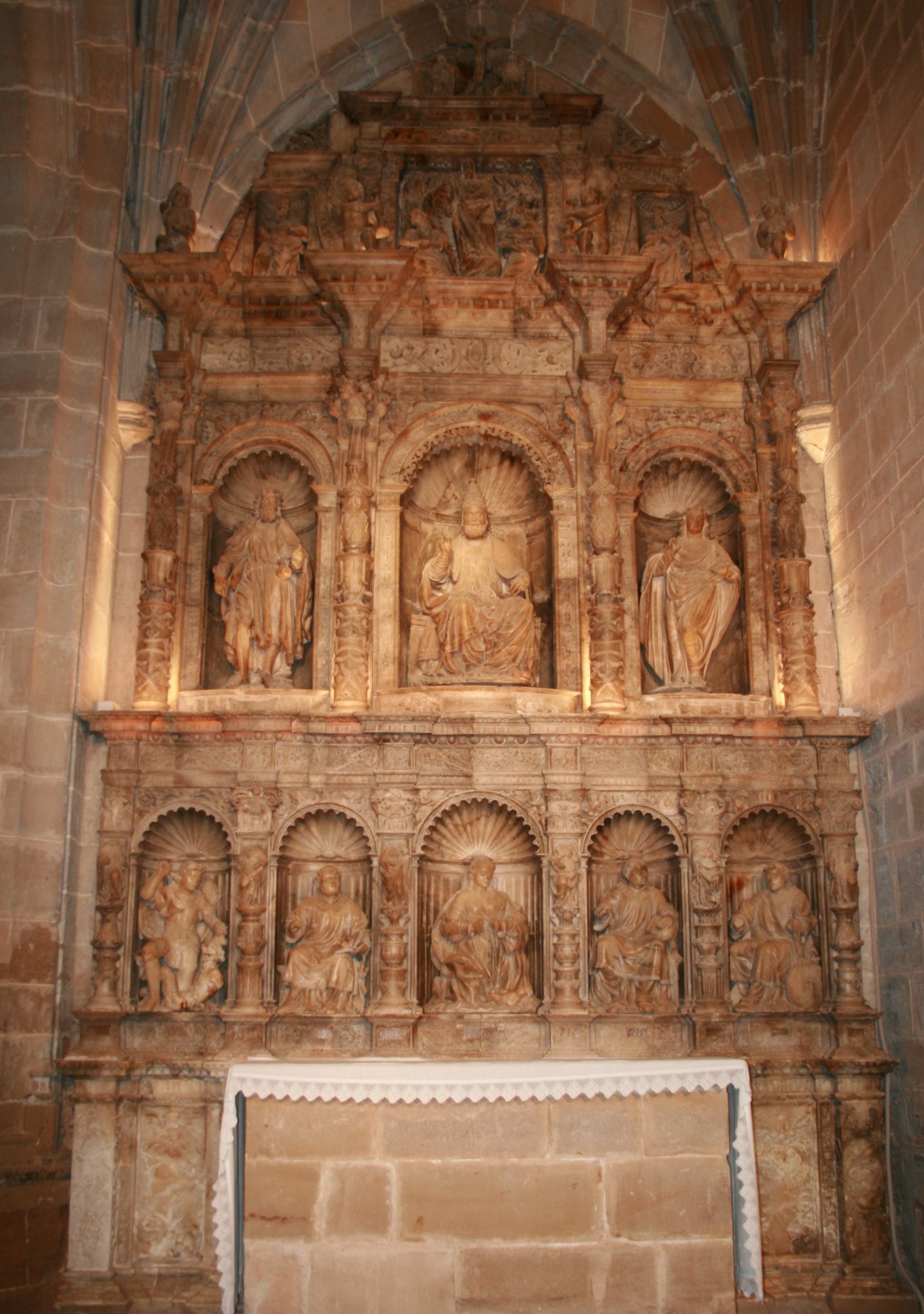
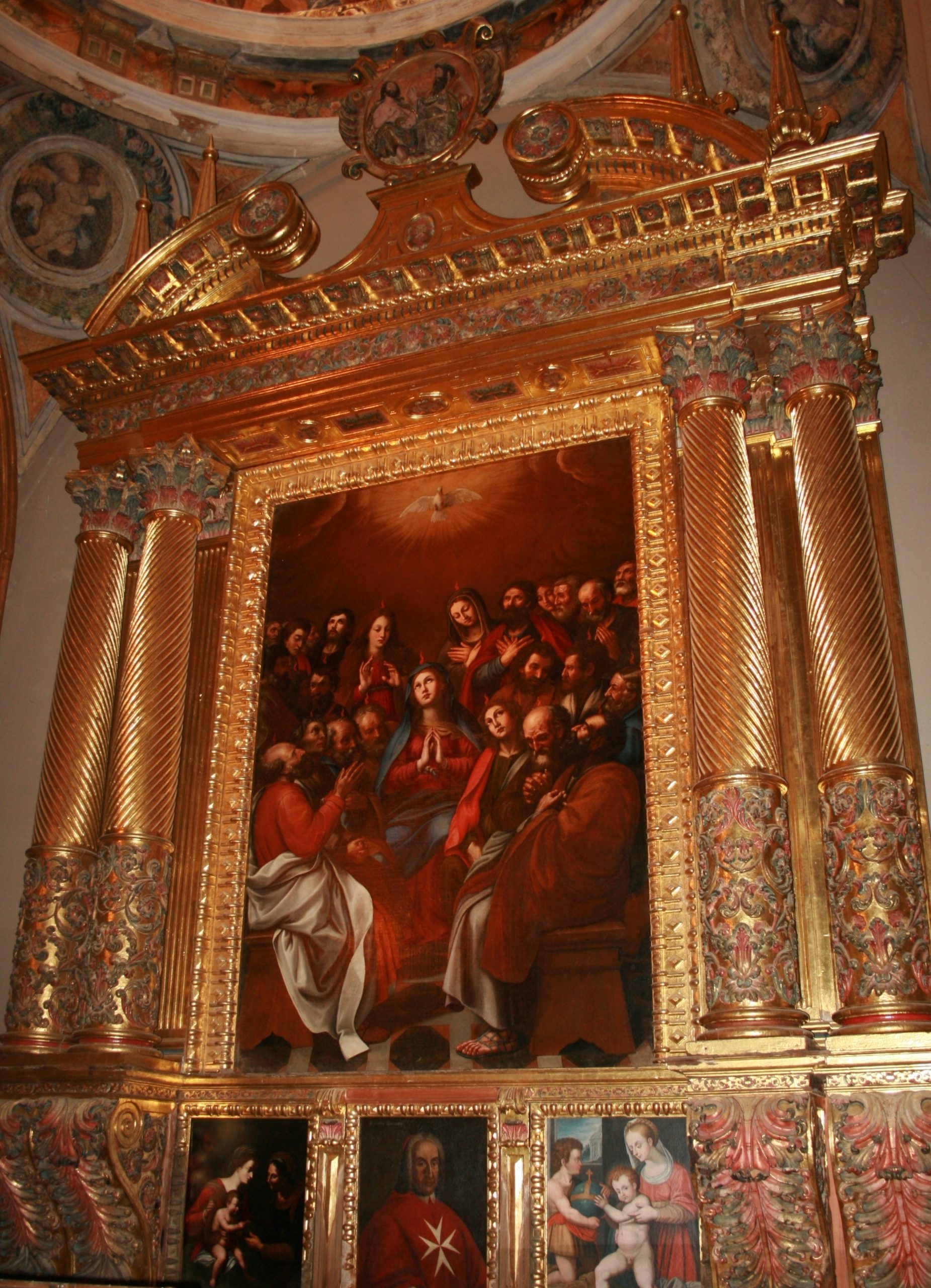
The cathedral is composed of three naves, highlighting the sixteen side chapels, with their respective altars, present a great variety of styles and forms, reflecting the artistic evolution over the centuries. In its interior, in addition, you can admire the famous rose of the winds which is located in the center of the pavement of the court, which precedes the cathedral.
The exterior of the cathedral is marked by a façade baroque style austere and classical, and can be combined with the gate of St. Jerome located on the north side of the building. This gate, built during the SIXTEENTH century, is an example of the mixture of styles that characterised the cathedral: the plateresque, gothic, renaissance and mannerist.
The cathedral of Santa Maria is not only a religious monument, but also a living testimony of the history of Calahorra, located in the same place where occurred the martyrdom of San Emeterio and San Celedonio, and that, over the centuries, has been a center of worship and devotion to the calagurritanos.