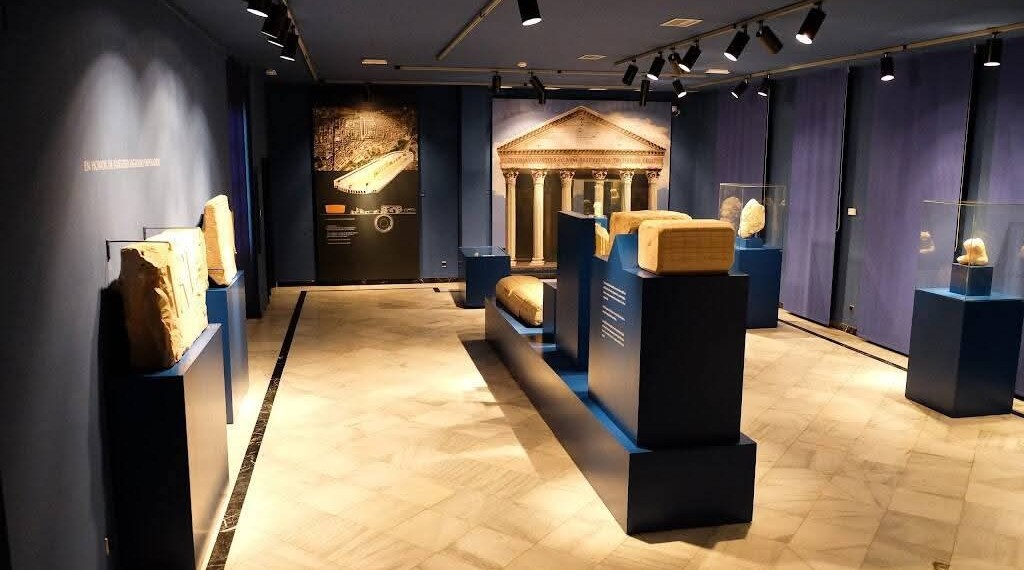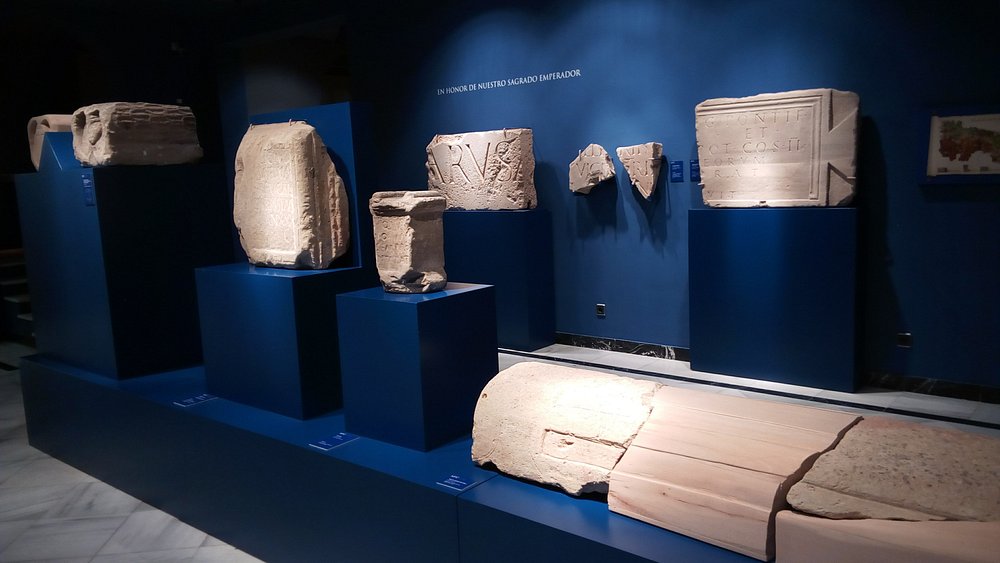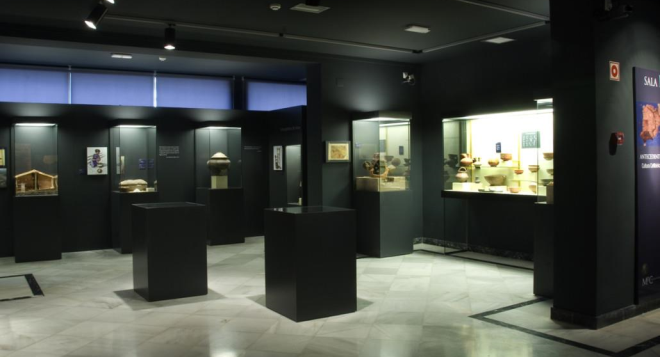
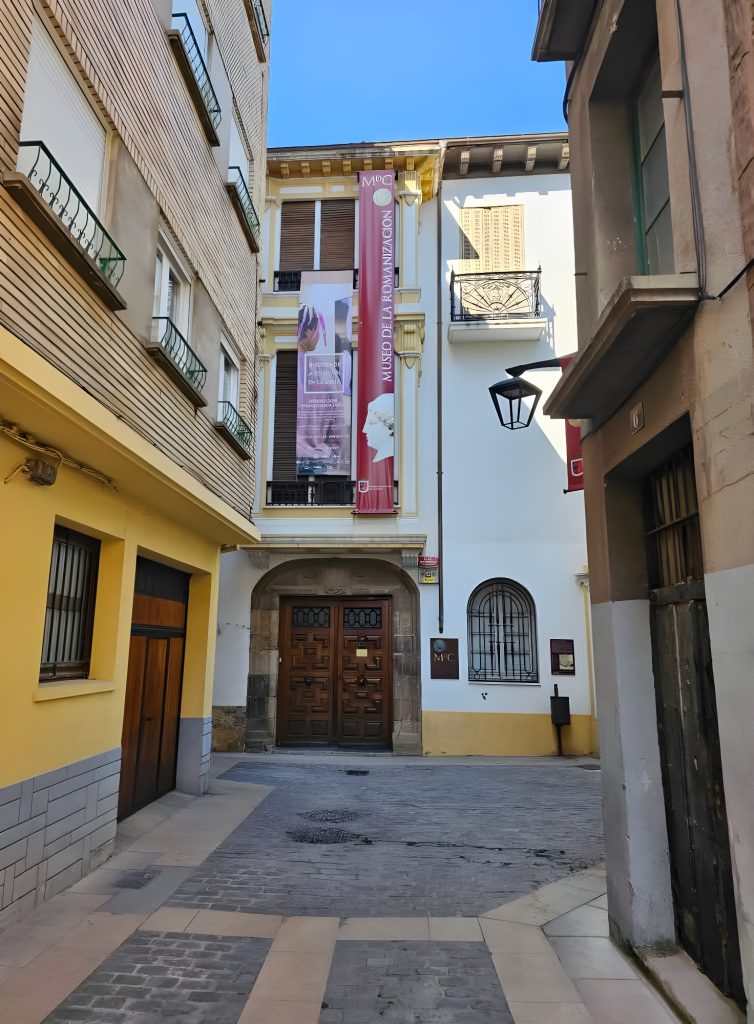
Located in the old part of the city, in a modernist palace known as the “House of the Millionaire”, the Museum of the Romanization is a unique window into the history of Calahorra during the roman period. This museum houses more than a thousand pieces that depict the evolution of the city from the culture celtiberian until the romanization complete, covering a period that goes from the II century a.C. up to the IV.C.
Journey through the history
The museum is spread over three floors that will guide you through the different aspects of roman life:
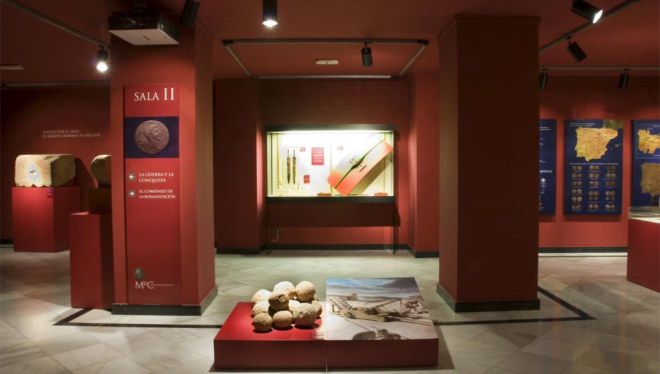
- ground Floor: the tour begins with the culture celtiberian, the first vestiges of local history, and the arrival of the romans. Here you will find objects impressive as coins, weapons of legionnaire and shells catapult found at archaeological sites nearby.
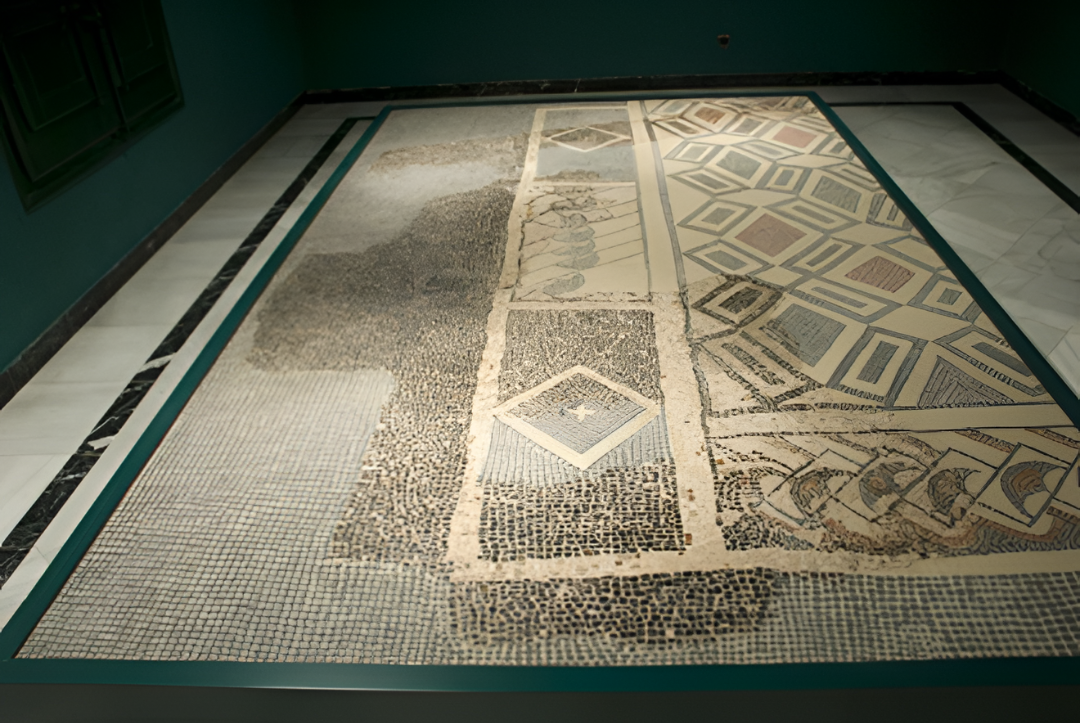
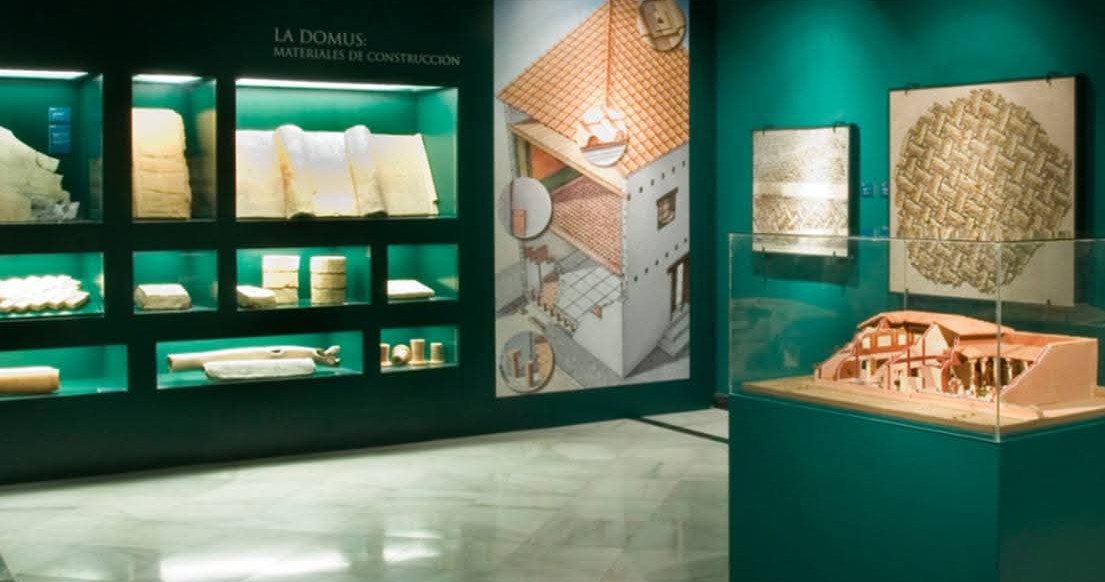
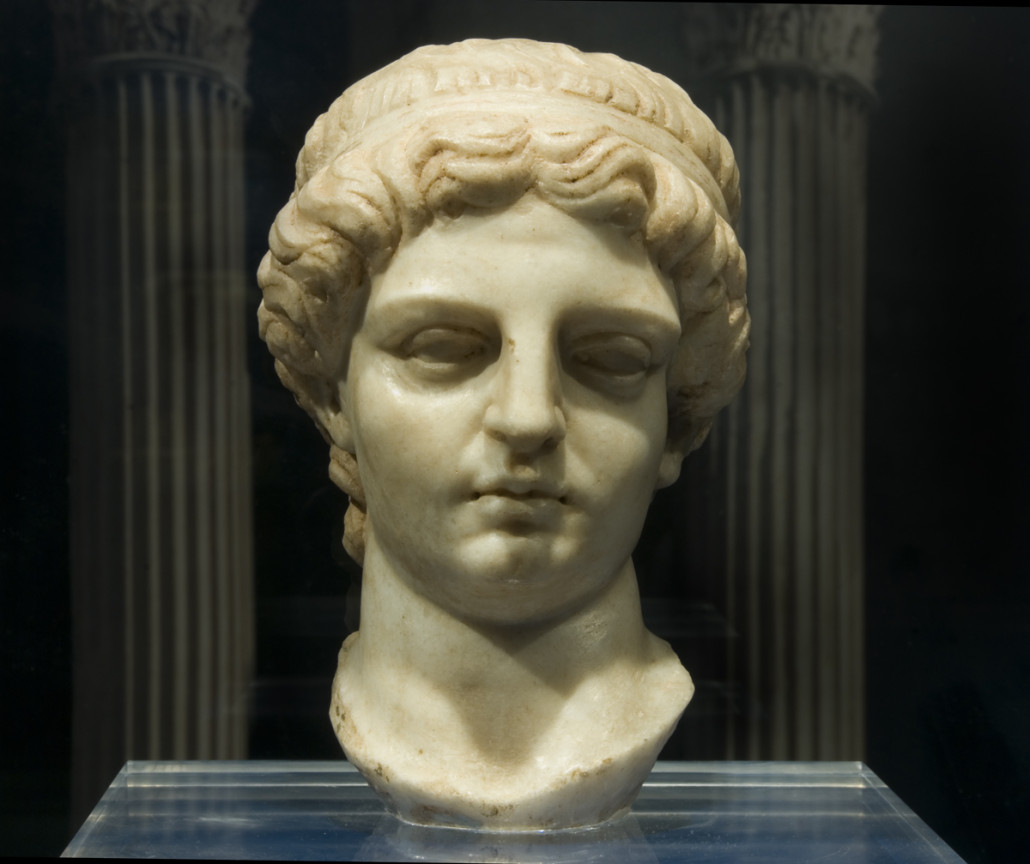
- First floor: this plant takes you into a typical domus romana (roman house), showing how they were the dwellings of the period, the materials of construction, the mosaics of the streets Bower and Head, and a prominent mural painting of The Clinic. One of the most admired is the figure known as Diana the Huntress (the face of traits egyptians), a exceptional decoration for your beauty and details.
- Second floor: in this section, we explore the economic activities of the period, such as agriculture, metallurgy, alfares and trade. You can see parts of places like Lawn, Varea and Tricio, as well as valuable roman sculptures of marble and alabaster, among which are the well-known as a Lady Calagurritana (in reality a youngster), Aphrodite, and Jupiter.
A building with history
The building that houses the museum, known as the “House of the Millionaire”, was built in 1930 with the money which Angel Oliván, his owner, won in the National Lottery. In 1982, it was acquired by the Autonomous Community of La Rioja, and ceded to the City of Calahorra. In 2009, the museum became a section of the Museum of La Rioja, specializing in the romanization of the region.
The importance of Calahorra in the Romanization
Calahorra was a key place in the romanization of Hispania, and the museum highlights how the city went from being a territory celtiberian to a thriving roman settlement. Through its exhibitions, you will be able to know how was the daily life of the inhabitants of the city, their beliefs, their economic activities and their relationship with the roman world.
Opus tessellatum mosaic from Calle La Enramada, nos. 16–17