Agricultural and industrial canning heritage in Calahorra

Calahorra is a city built on vegetables. Its privileged location between the Ebro and Cidacos rivers, the fertility of its fertile plain and the early industrial transformation of agricultural produce made it one of Spain’s major horticultural and canning centres. This route takes you on a tour of the places that explain how the market gardens shaped the economy, the urban landscape and everyday life in the city from the 19th century to the present day.

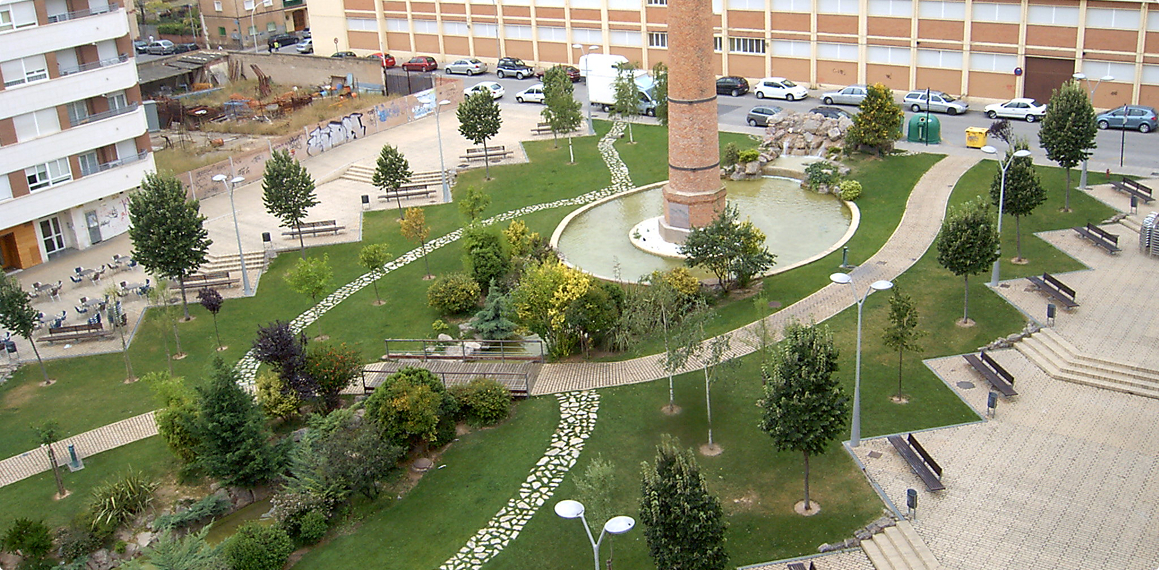
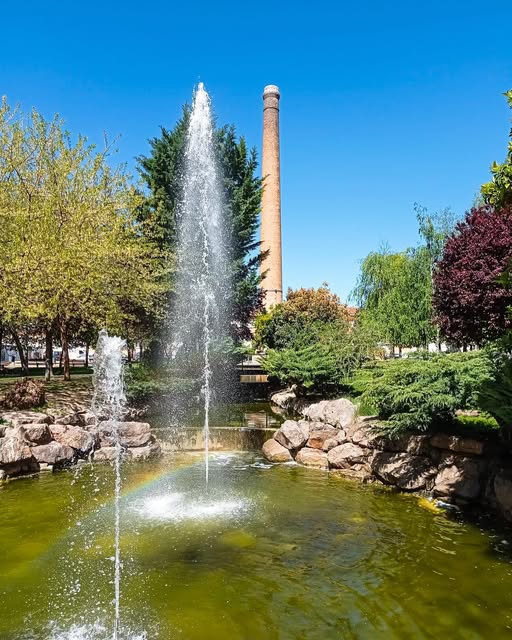
1. Chimenea en la Plaza Montecompatri

The route begins at one of the most recognisable symbols of Calahorra’s canning industry past. The industrial chimneys are a reminder of the time when the city was home to more than half of the country’s vegetable canning factories.
[This 30-metre-high chimney was erected in 1942 and remained in operation until 30 April 1997. It belonged to Francisco Moreno’s canning factory. Today it stands in the centre of a large public green area, surrounded by a body of water. It is made of brick, with a polygonal base, a slightly truncated cone-shaped shaft and finished with a series of rings.]
The canning industry in Calahorra began in 1852 and developed rapidly thanks to the abundance of raw materials, the local workforce and the sector’s early focus on exports. Tomatoes and peppers became star products destined for international markets.

Chimenea en la Plaza Montecompatri

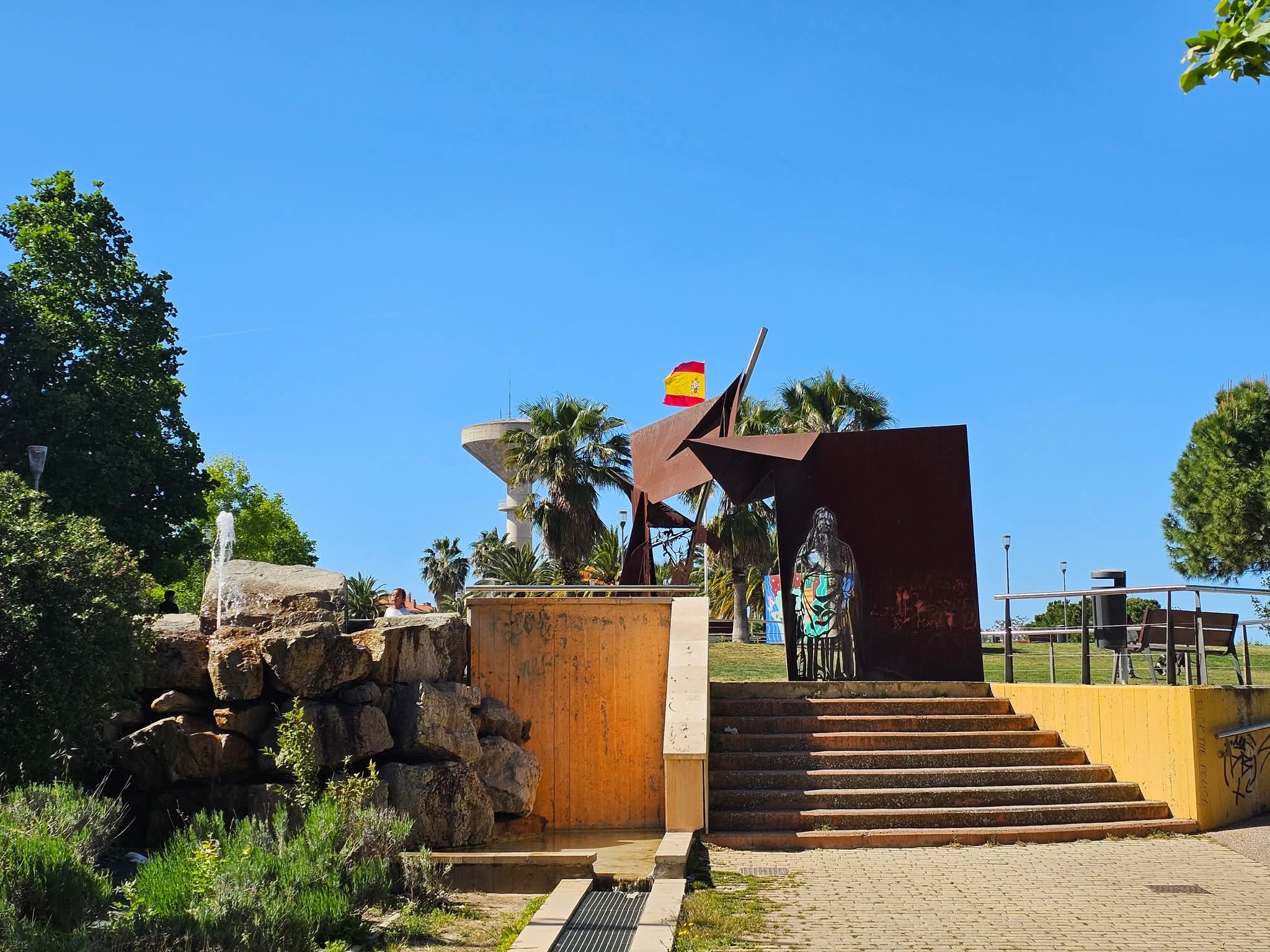
2. Monumento a los Agricultores de Lucio Marcos

Sculpture “Tribute to Farmers” by sculptor Lucio Marcos Pernía, made of Corten steel, which the General Irrigation Community of Calahorra donated to the city in 2008, with the dedication: “To the men and women of the countryside, who devote their lives to the land and harvest the best fruits.”
Thanks to the irrigation system, agriculture became the basis of Calahorra’s economy until the early 20th century.

Monumento a los Agricultores de Lucio Marcos

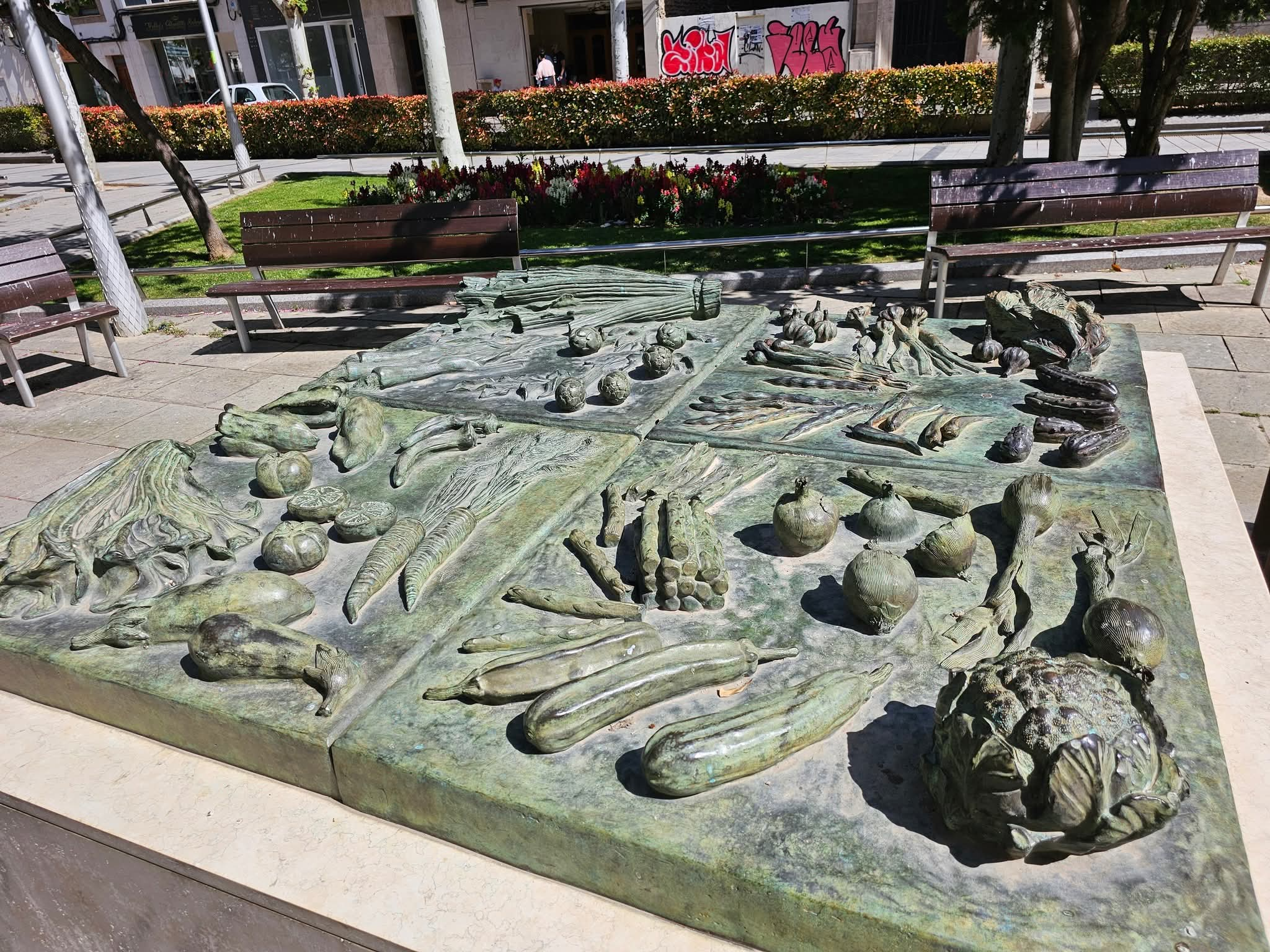
3. Monumento a las verduras (paseo del Mercadal)

Since Roman times, there have been documents explaining how to grow different vegetables; the Arabs introduced new crops and the discovery of America brought new fruits.
Luis Xubero’s 2008 sculpture represents the main vegetables grown in Calahorra’s vegetable gardens and symbolises public recognition of this agricultural heritage. Here, the crop calendar and the close relationship between season, gastronomy and tradition are explained. Calahorra is thus consolidated as the City of Vegetables, not only for its production, but also for its culture.
[Work made of bronze and marble. It measures 2 x 2 metres.]

Monumento a las verduras (paseo del Mercadal)

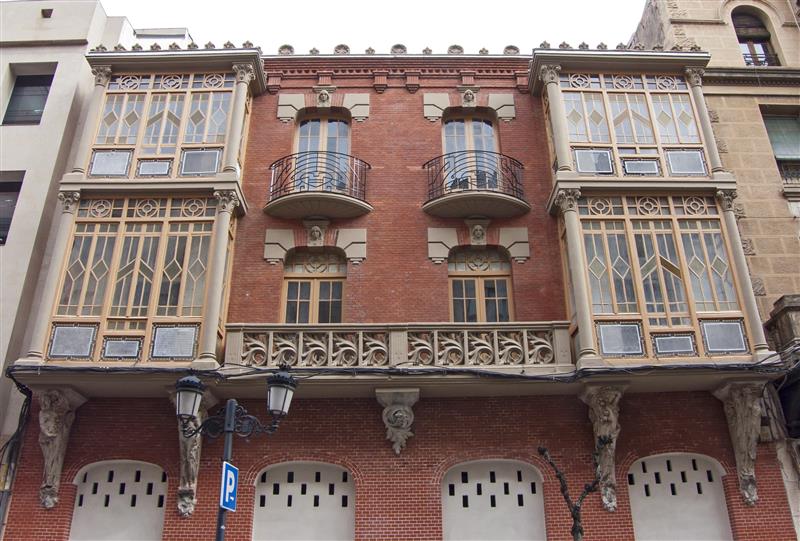
4. Edificios (C/ Mártires)

The boom in industry is reflected in the urban architecture of the late 19th and early 20th centuries. The homes of canning industry entrepreneurs display modernist and eclectic styles that speak of economic prosperity.
The profits generated by the export of canned goods led to an urban transformation that is still visible today.

Four buildings on this street are worth mentioning: Calle de los Mártires, 18 (Casa de las Cariátides), no. 16, no. 9 (Casa Baroja), and no. 8 (Casa Díaz).

Edificios (C/ Mártires)

5. Plaza del Raso

Every Thursday, farmers from the region continue to sell fresh vegetables in this square, a direct descendant of the historic markets. The Plaza de Abastos, built in 1945, reinforces this space as a traditional supply centre, demonstrating the continuity of agricultural trade in the city. The Municipal Tourist Office is located here.

Plaza del Raso

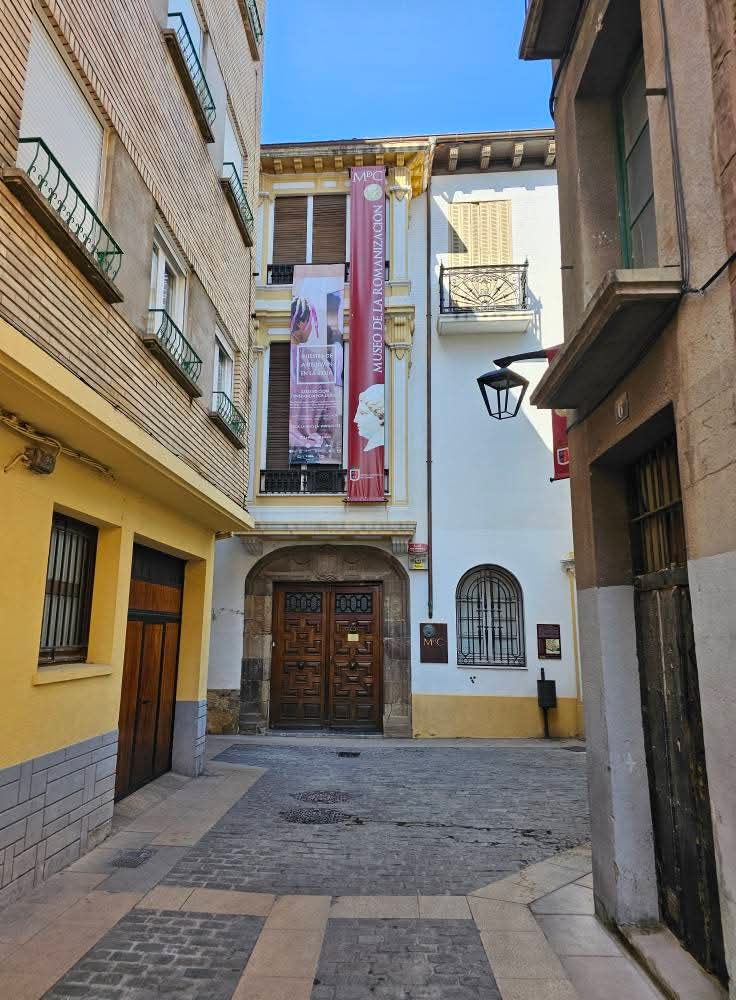
6. Museo de la Romanización

Several Romans left records in their writings of farming methods (Columella) and gastronomy (Apicius), allowing us to imagine how they cultivated and cooked produce from the garden. Archaeological remains related to these activities can be seen inside the museum.

Museo de la Romanización

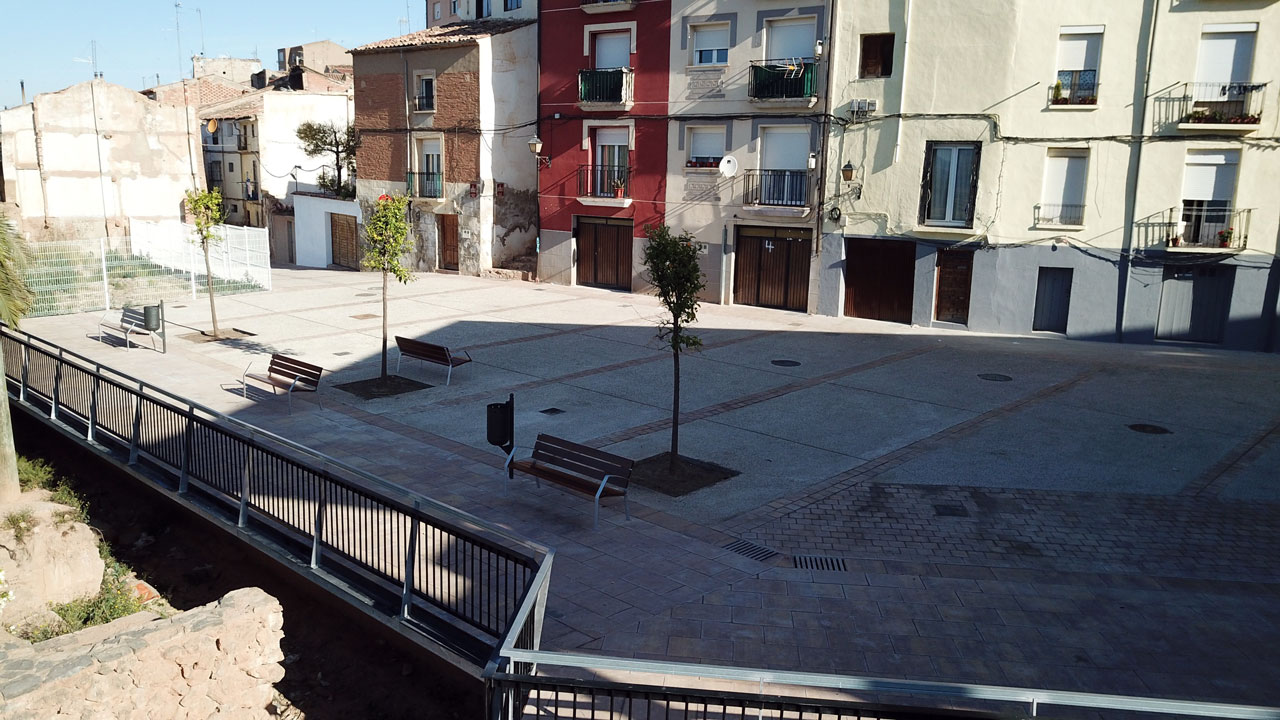
7. Plaza de la Verdura

During the Middle Ages, it served as the main square. In the second half of the 15th century, it was home to the council houses and the prison.
In this setting, everyday consumer products were sold at the daily market, most of which came from the Calahorra vegetable gardens and local manufacturers.

Plaza de la Verdura

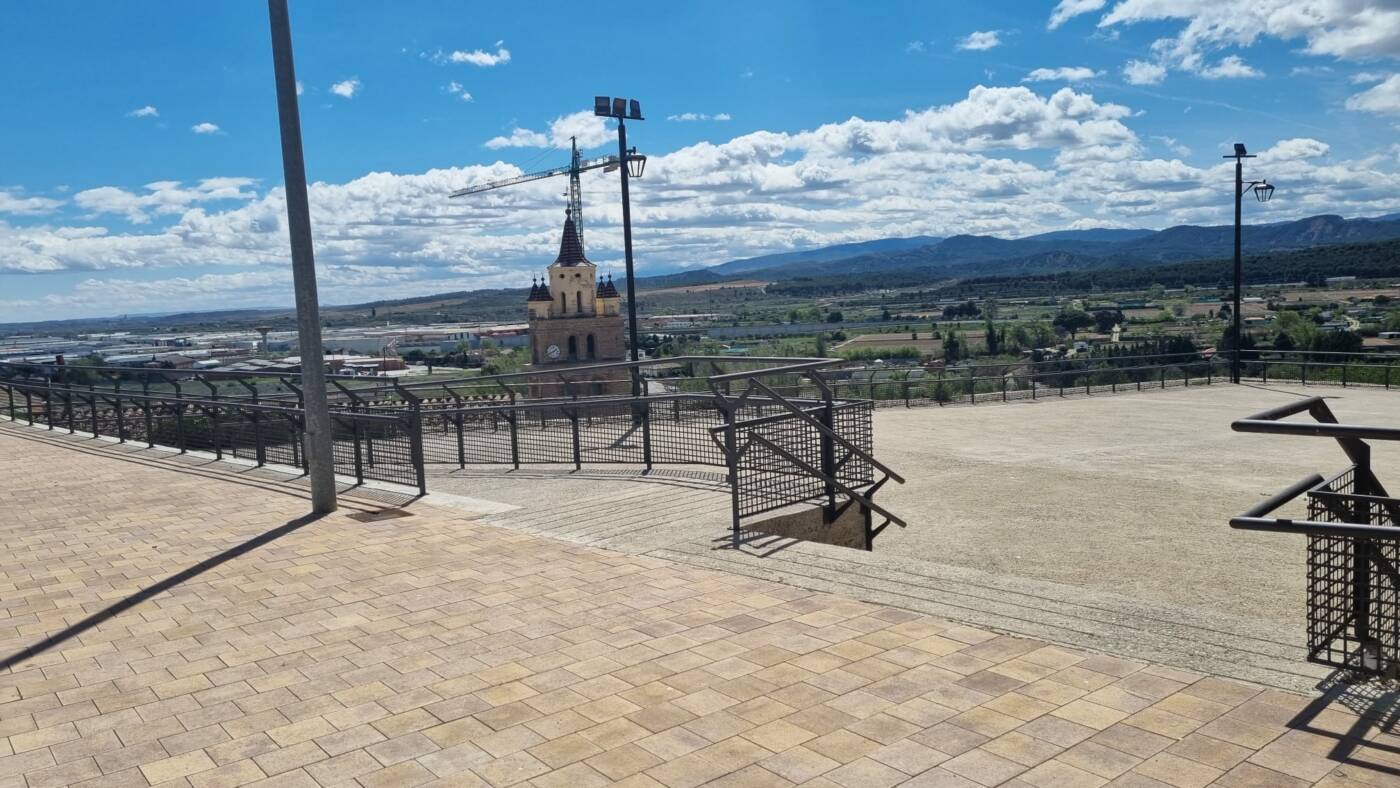
8. Mirador - San Francisco

From here, you can see the Cidacos valley and the current Senderos de la Verdura trails, which connect landscape, agriculture and sustainable tourism, continuing a centuries-old relationship with the land into the present day.
Other nearby viewpoints include Calle Cabezo (Murallas), from where you can see the agricultural land surrounding Calahorra.

Mirador - San Francisco

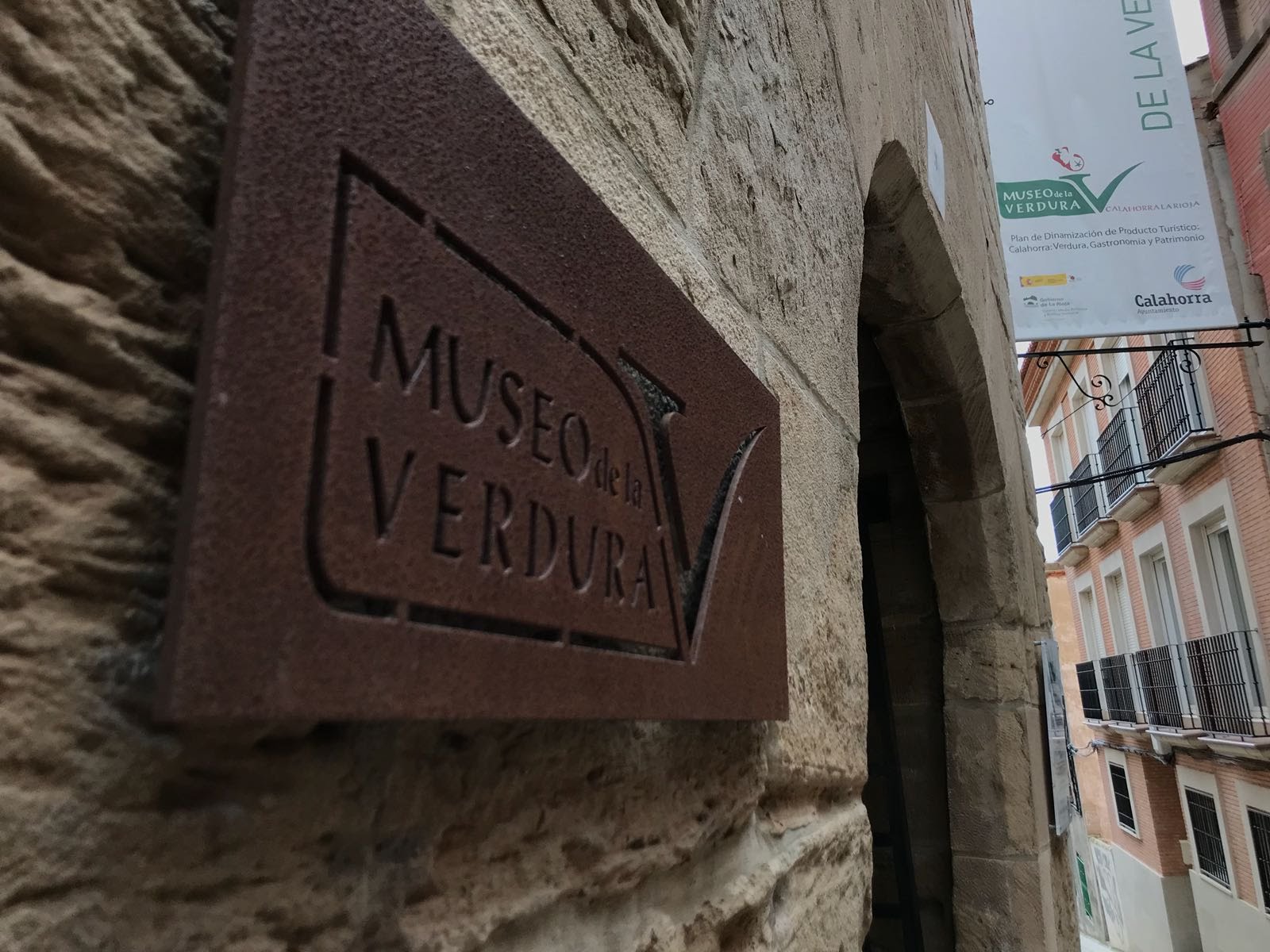
9. Museo de la Verdura.

The route ends at the Vegetable Museum, where all this history is summarised: territory, crops, tools, the canning industry and contemporary cultural expressions such as the vegetable costumes of the Gastronomic Days. It is the space that turns agricultural and industrial history into cultural heritage.

Museo de la Verdura.

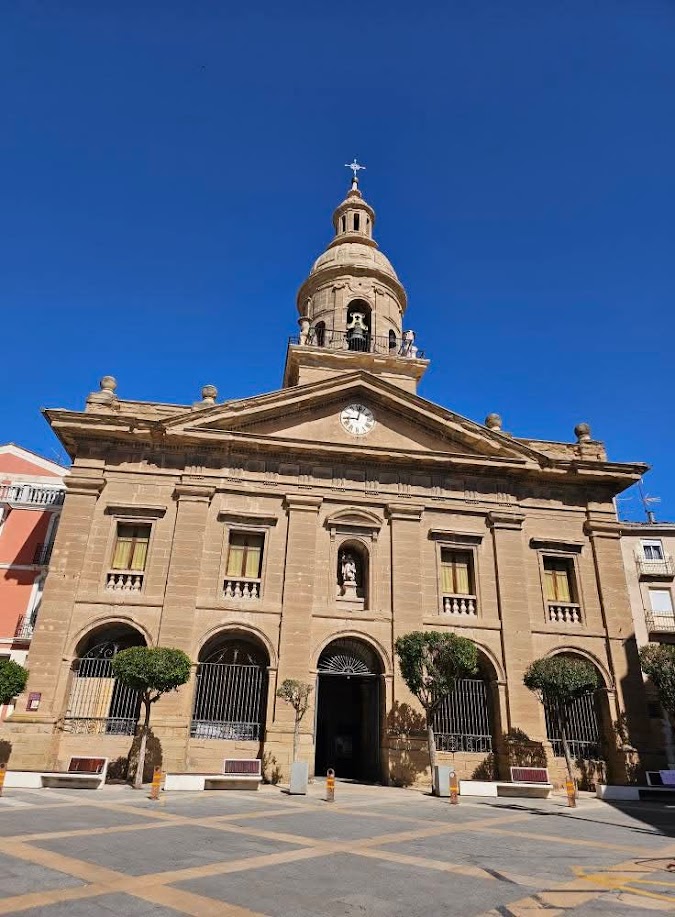
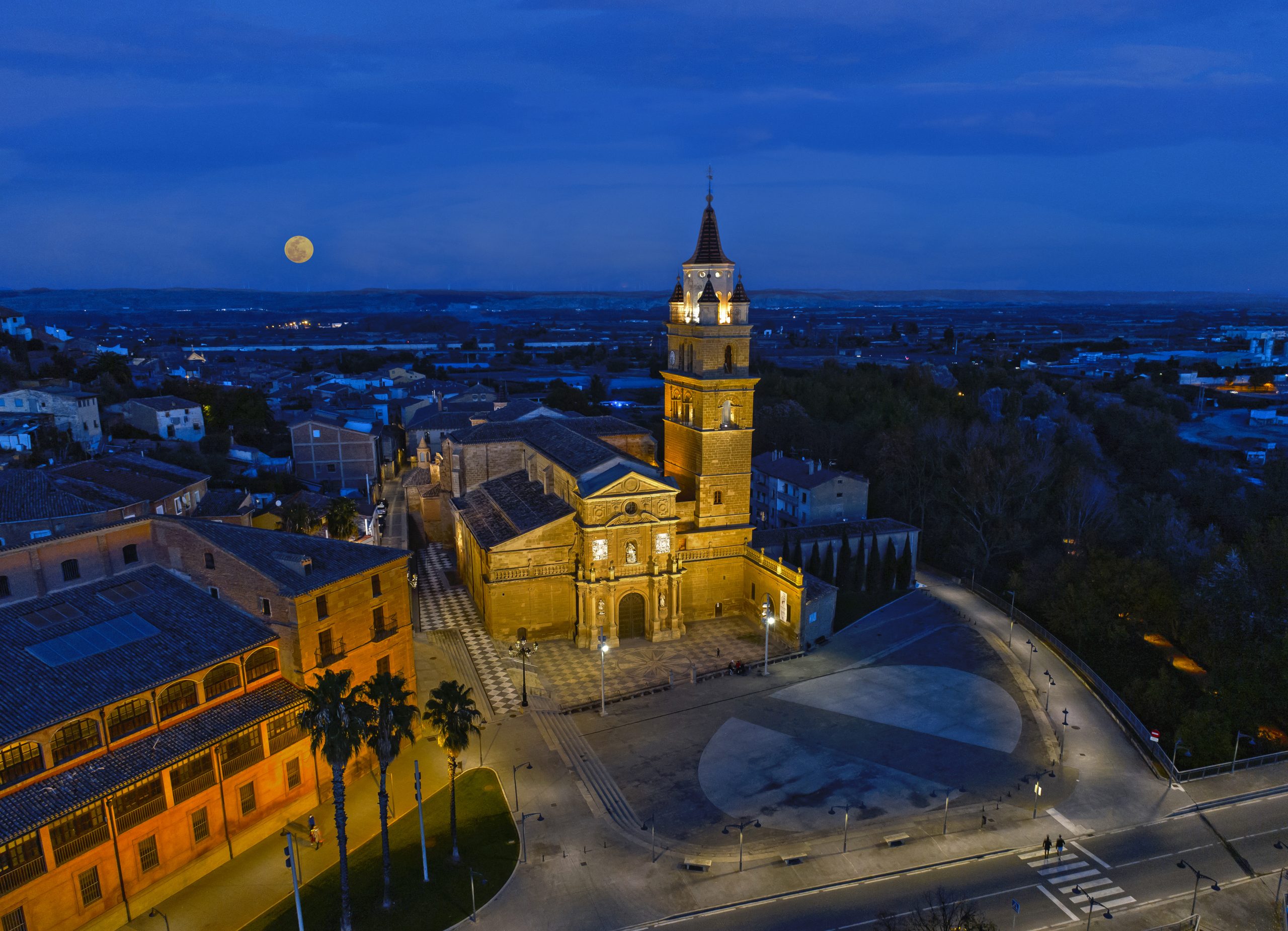
10. Plaza de la Catedral

Since 1255, with the privilege of a weekly market on Wednesdays granted by Alfonso X, Calahorra has based its economic life on the sale of agricultural products. From 1467 onwards, by concession of Henry IV, it was held on Thursdays and was free of alcabalas (a tax on commercial exchanges). It developed next to the Plaza de la Mediavilla, in front of the cathedral gate and cemetery, extending through the Arrabal district.

Plaza de la Catedral

Descarga la app

Sigue las rutas que ofrece esta emblemática ciudad con la APP de Visita Calahorra y descubre juegos y recompensas en el camino.