
Located in the southeast of La Rioja, Igea is a small municipality steeped in history, natural heritage and paleontological wealth. Surrounded by rugged landscapes and gentle mountains, it offers visitors the opportunity to immerse themselves in a peaceful environment where the past and nature coexist in harmony. It stands out for its valuable fossil legacy, with numerous sites that make it a benchmark for scientific tourism in the region. In addition, its historical and artistic heritage, such as the Palace of the Marquis of Casa Torre or the parish church of La Asunción, reflect its importance in centuries past. Strolling through its streets is like travelling back in time, discovering dinosaur footprints and enjoying the rural charm of La Rioja.
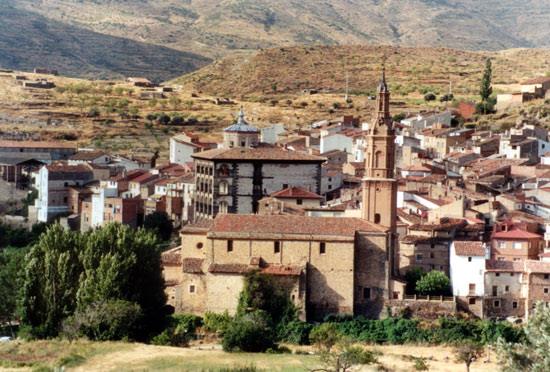
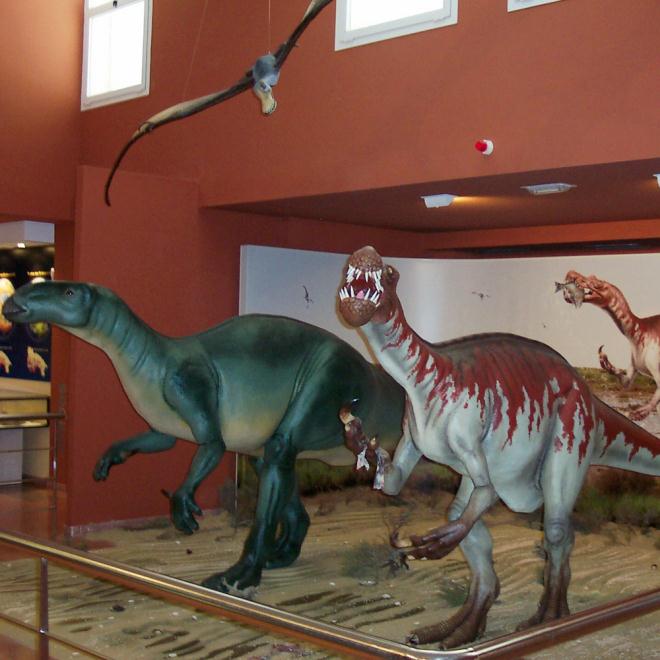
Igea is one of the most important palaeontological sites in La Rioja and indeed the world. The town is home to the famous Era del Peladillo and Tronco Fósil fossil sites, as well as the La Rioja Palaeontological Interpretation Centre, which displays fossils, replicas and interactive panels explaining the history of the dinosaurs.
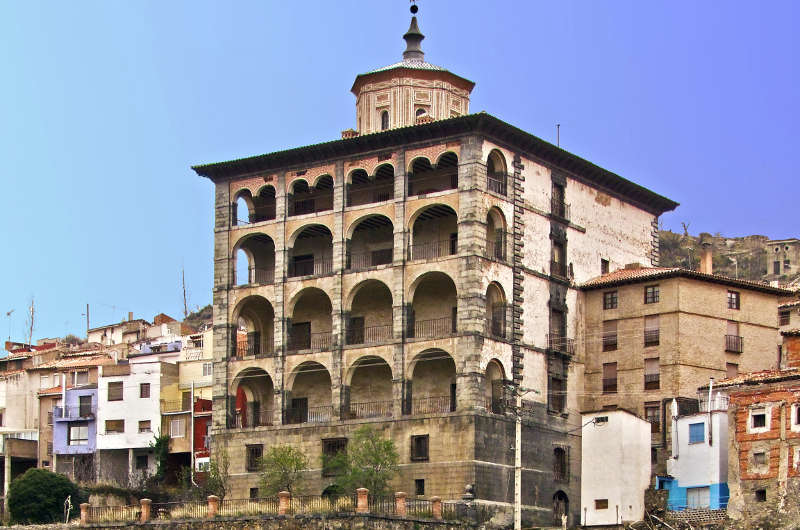
The most significant building in La Rioja: the 18th-century Florentine-style “Palace of the Marquis of Casa Torre”. Next to it, a large artistic mural depicts its patron, Don Juan José Ovejas y Díez. Nearby stands the Church of La Asunción (17th and 18th centuries), with a Baroque façade and an Aragonese Mudejar tower, as well as various chapels dedicated to the saints.