Laguna del Recuenco
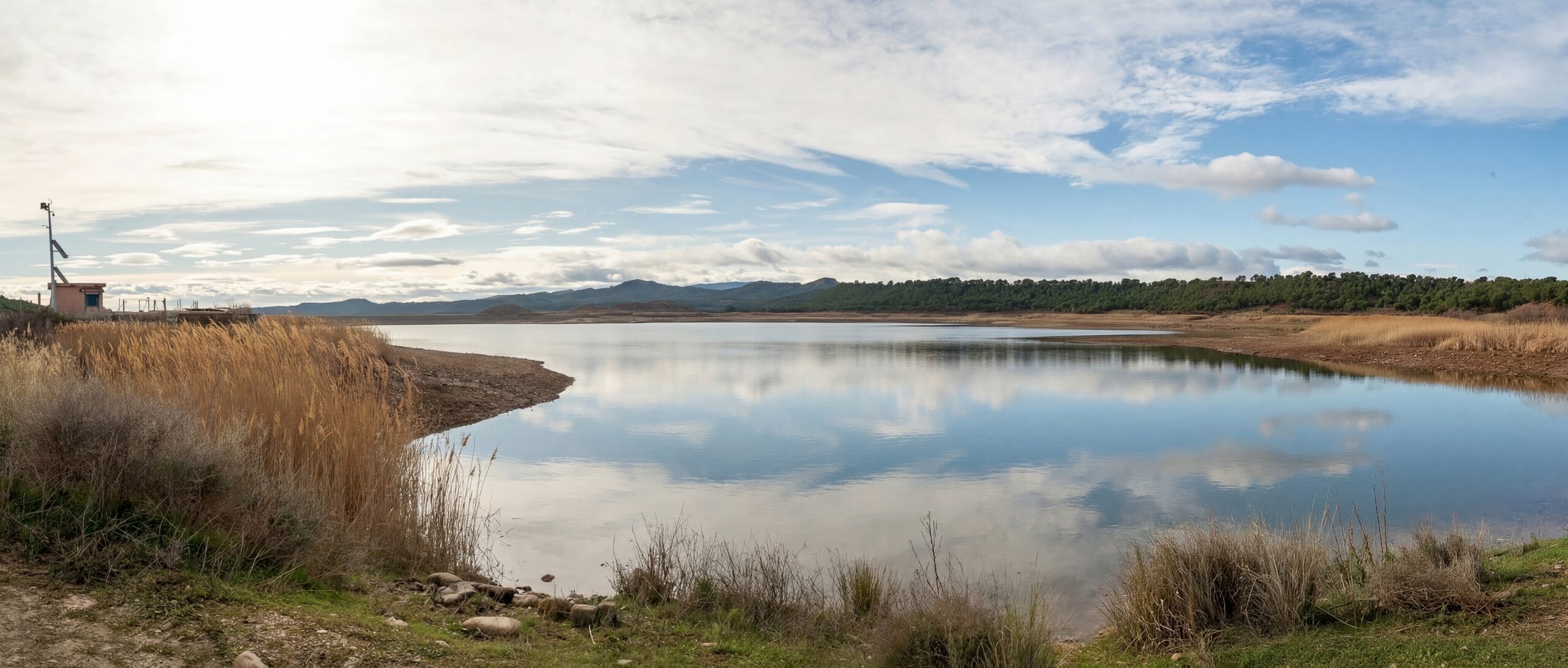
Located in the southeast of Calahorra and accessible by the N-232, the Lagoon of the Recuenco is open 24 hours, which allows guests to enjoy this natural area at any time of the day.
This wetland is famous for housing a large colony of herons and egrets, including the Imperial Heron and the Jack. During the breeding season, it is possible to observe these species in their natural habitat, which makes the lake an ideal place for bird watching.
The dominant vegetation includes reeds, cattails and reeds, which provide shelter to various species. In the margins, you can find isolated examples of alfalfa, poplar and white poplar black, that enrich even more the diversity of the ecosystem.
The lagoon is subject to a regime of permanent inundation thanks to the contributions artificial, which has favored the maintenance of its biodiversity. Although it presents some problems of eutrophication and the massive presence of the red crab, is protected under the Special Plan of the Mount, The Highs and its area of influence, thus ensuring its long-term conservation.
Source Caricente
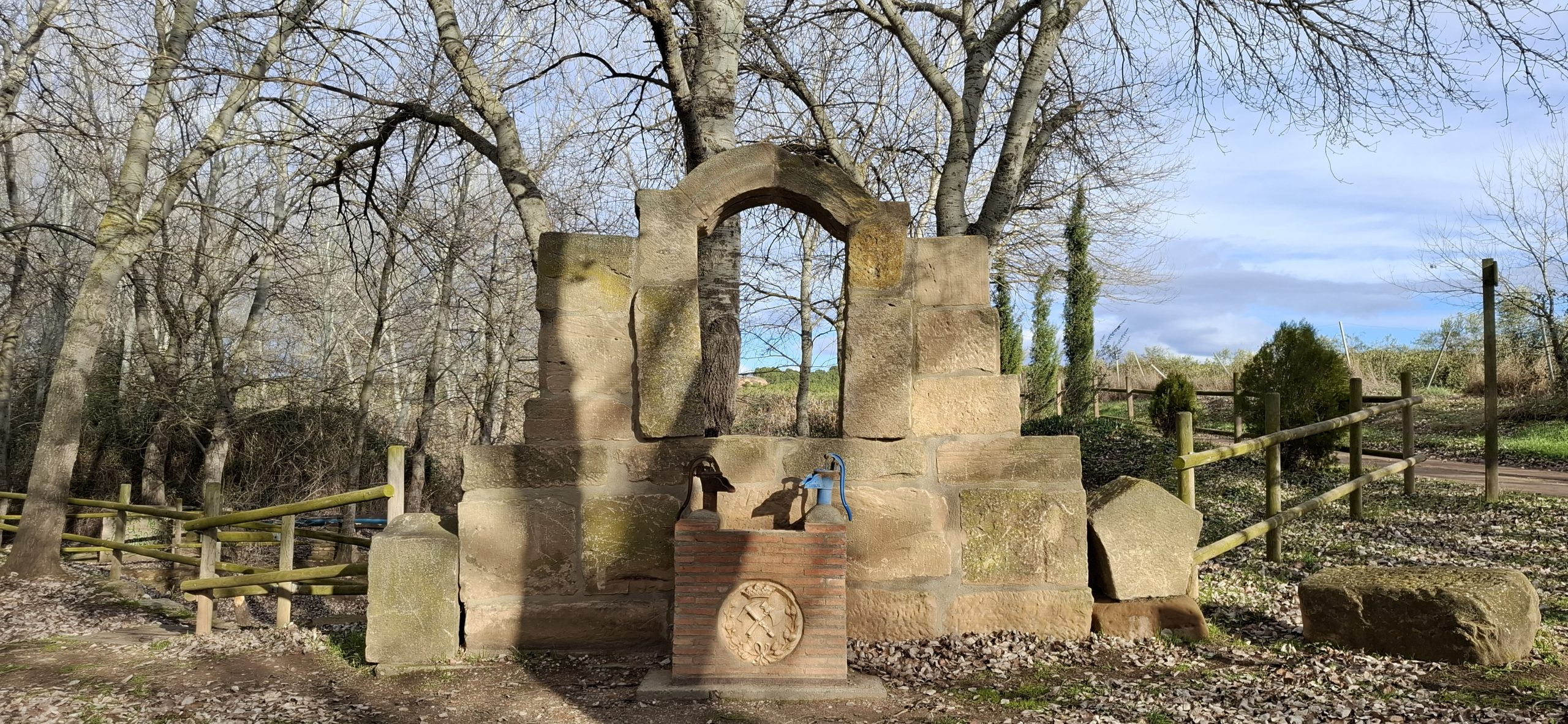
Situated on the banks of the river Cidacos, this recreation area offers a beautiful landscape that invites to rest and coexistence with nature. Equipped with parking areas and picnic areas, this space is perfect for enjoying a day outdoors, next to the spring that gives it its name, and whose waters have been used since the SIXTEENTH century through a system of pipe ceramic, today in disuse.
To get there, since the LR-282, at the height of the stopping of the old railway station, take the road that crosses the river Cidacos. About 800 metres at the junction, turn left and proceed approximately 600 metres away.
The vegetation is mainly composed of poplar and tamarices, creating a lush and welcoming. In terms of fauna, this place is home to species like the european mink, the genet, the badger, and the boar, that bring life and dynamism to this rich natural area, ideal for those who seek a genuine connection with the biodiversity calagurritana.
Parque del Cidacos
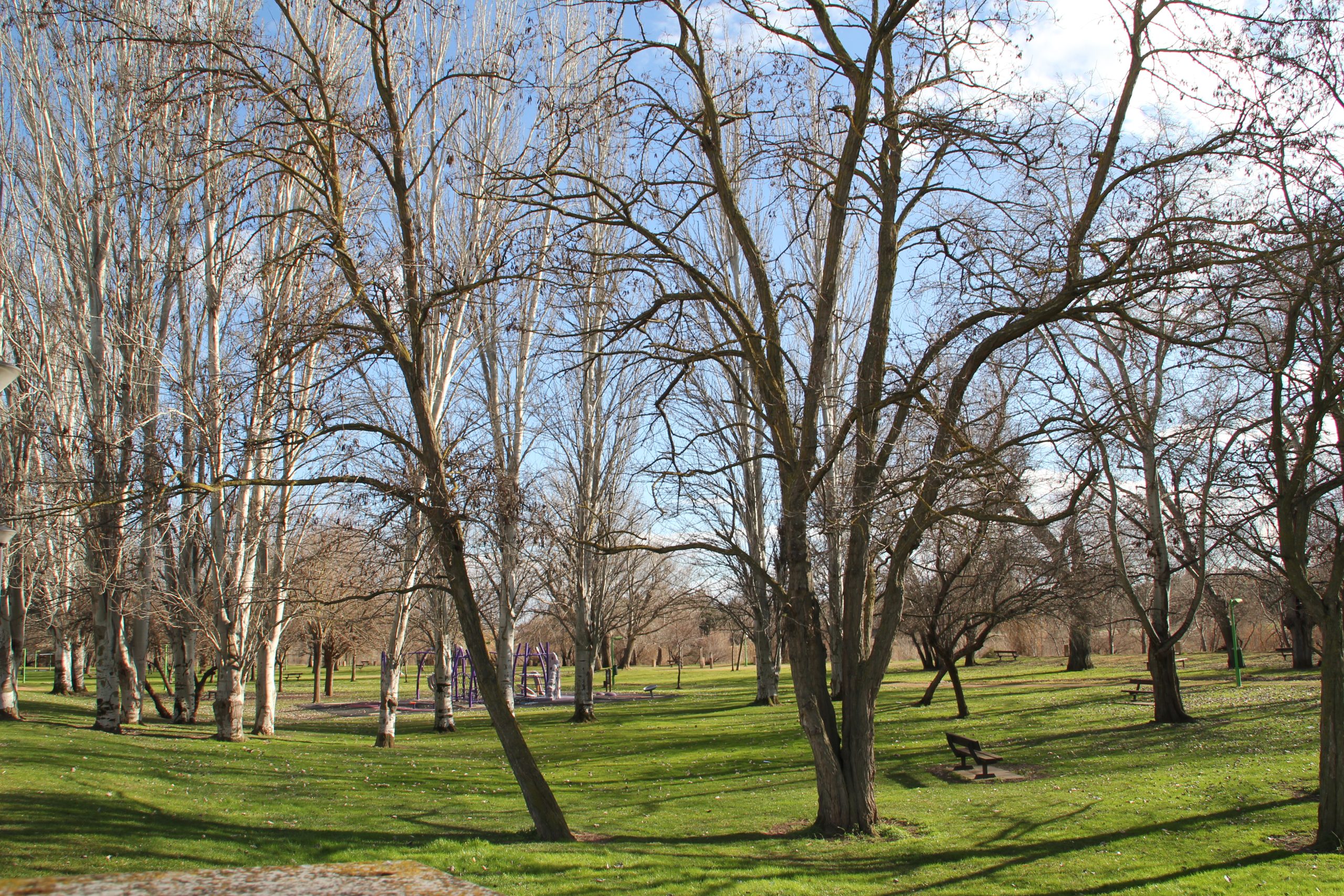
Located at the foot of the city, the Park of the Cidacos river extends for more than a mile, offering an ideal space for the recreation and entertainment of the whole family. This park has several playgrounds, picnic areas, fountains, and pond inhabited by different species of ducks, which makes it a perfect place to enjoy a day outdoors.
Formed from the groves of the river, its vegetation includes cottonwood, poplar and willow addition of tree specimens and decorative softwood add a touch ornamental to the ride. Extends from Avenida de la Rioja to Calle Tenerías, allowing visitors to continue their journey along the banks of the river beyond the confines of the park.
This space is also the starting point of the Via Verde del Cidacos, which begins here and leads to the highway, by using a lower stretch; after crossing this road, turn right up to the junction with the road that goes to Arnedo. The path, which runs parallel to the road, continue up the hill to the Sorbán and beyond, heading towards Autol.
In addition, the Park of the Cidacos river is a popular place for the celebration of important events such as the bonfires of San Juan and the Day of La Rioja, integrating nature with the local culture. A versatile space that combines recreation and tradition, inviting everyone to enjoy its natural riches.
The Cutthroat
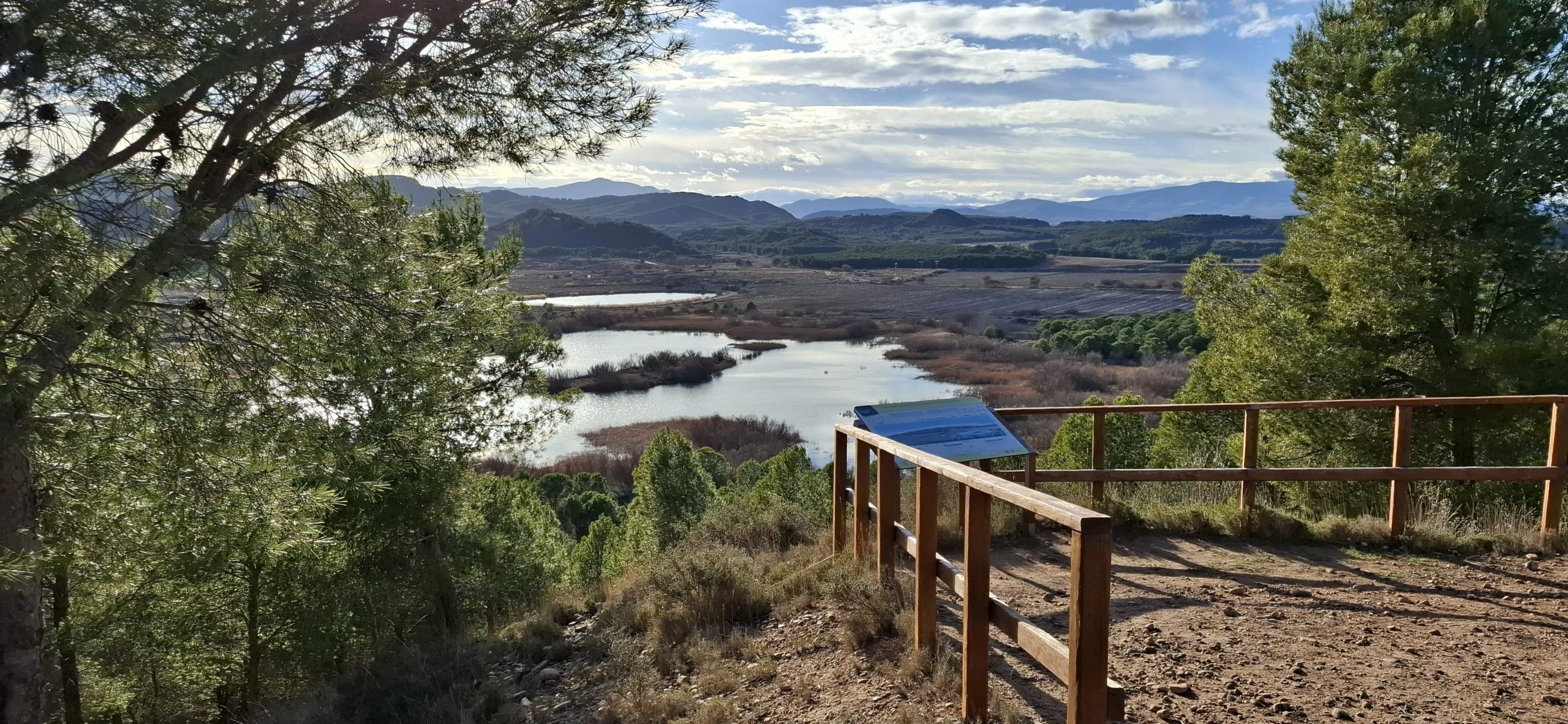
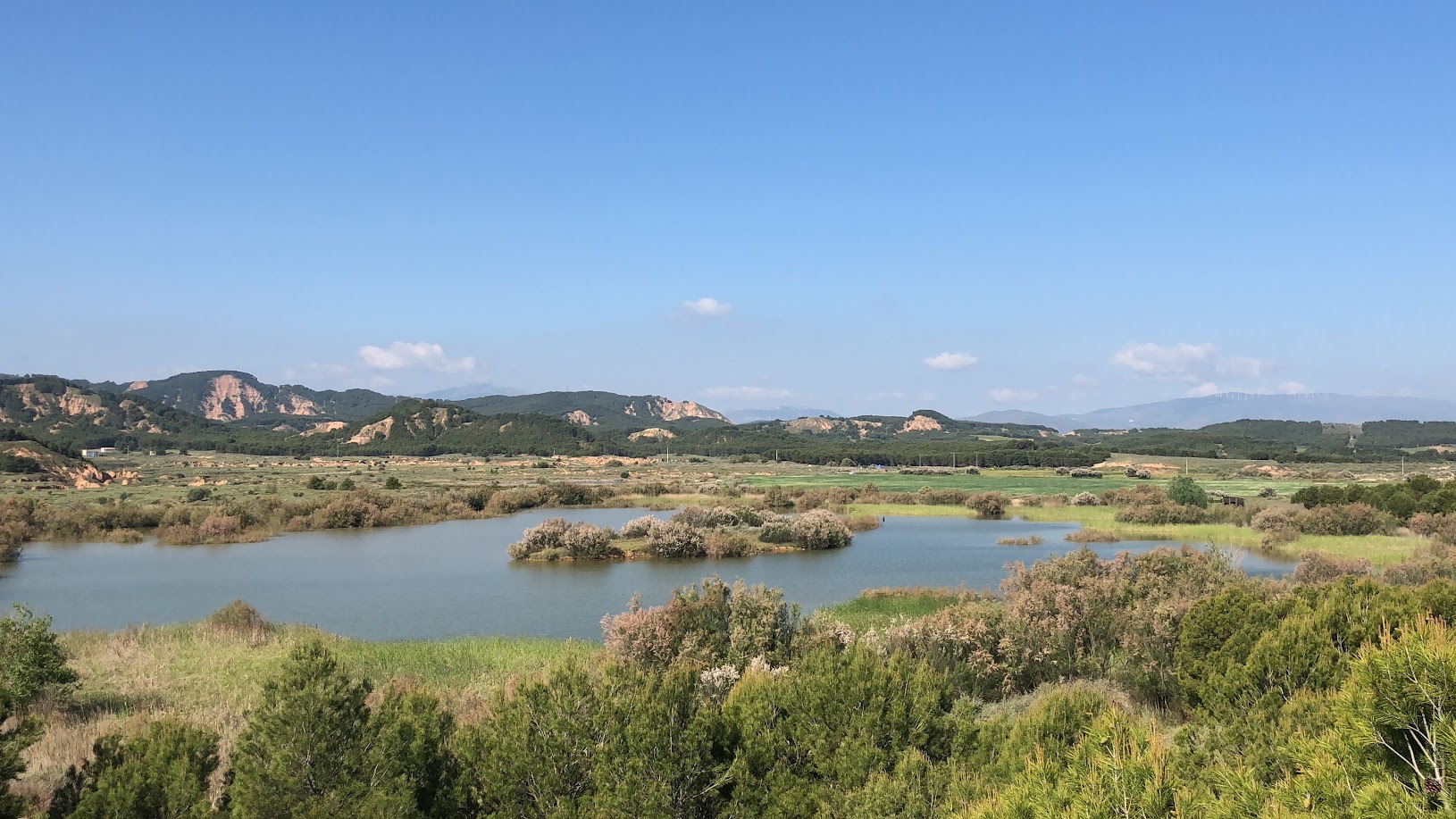
The Cutthroat is a natural area that offers a tour of 3.5 miles through three different zones, each with its own uniqueness. The first, known as the Yasa of the Shells, it presents a plain, steppe furrowed by ravines and gullies, creating a unique landscape.
The second area is a wetland composed of five ponds in series that emerged to mitigate the loss of aquatic habitat after the regrowth of the reservoir of The Retriever. In little time, this environment has become a breeding place and rest for numerous species of waterfowl during migration.
The third zone is integrated with the larger spot forest of the Valley of the Ebro in La Rioja. Here, the pine forests of aleppo pine provide shelter to animals less common in the region, such as roe deer, wild boars and owls.
Along the path, visitors will find a bird observatories, viewpoints, areas, picnic areas and information panels that enrich the gaming experience and teaching methods. Depending on the time of year, it is possible to observe various birds in the wetland, including herons, marine, coots, grebes, stilts and marsh harriers.
Beyond the marked trail, you can see the remains of an ancient roman dam height-imperial, which supplies part of the area centuriada of Calagurris, a historic testimony that adds value to this rich natural area.
Treble
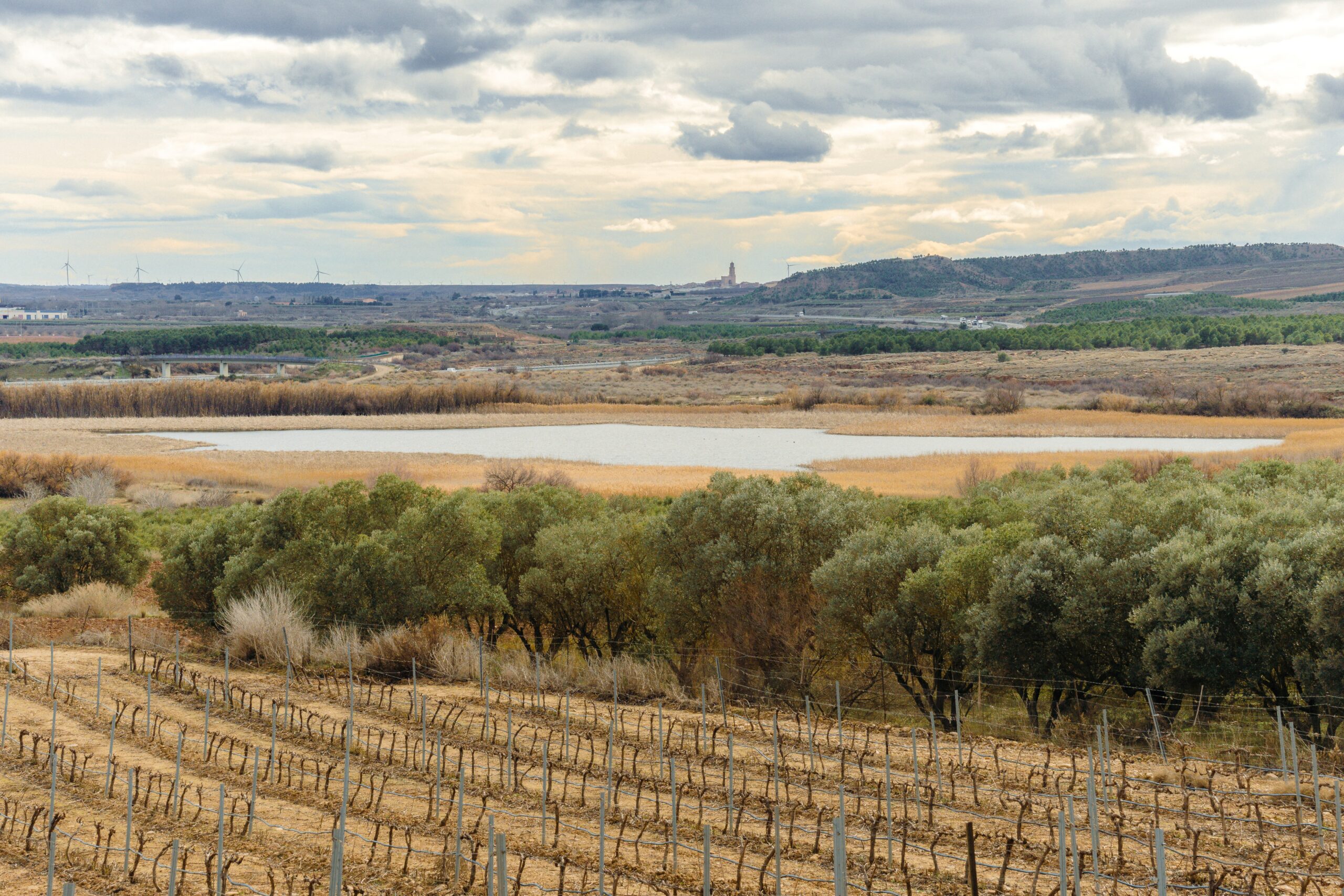
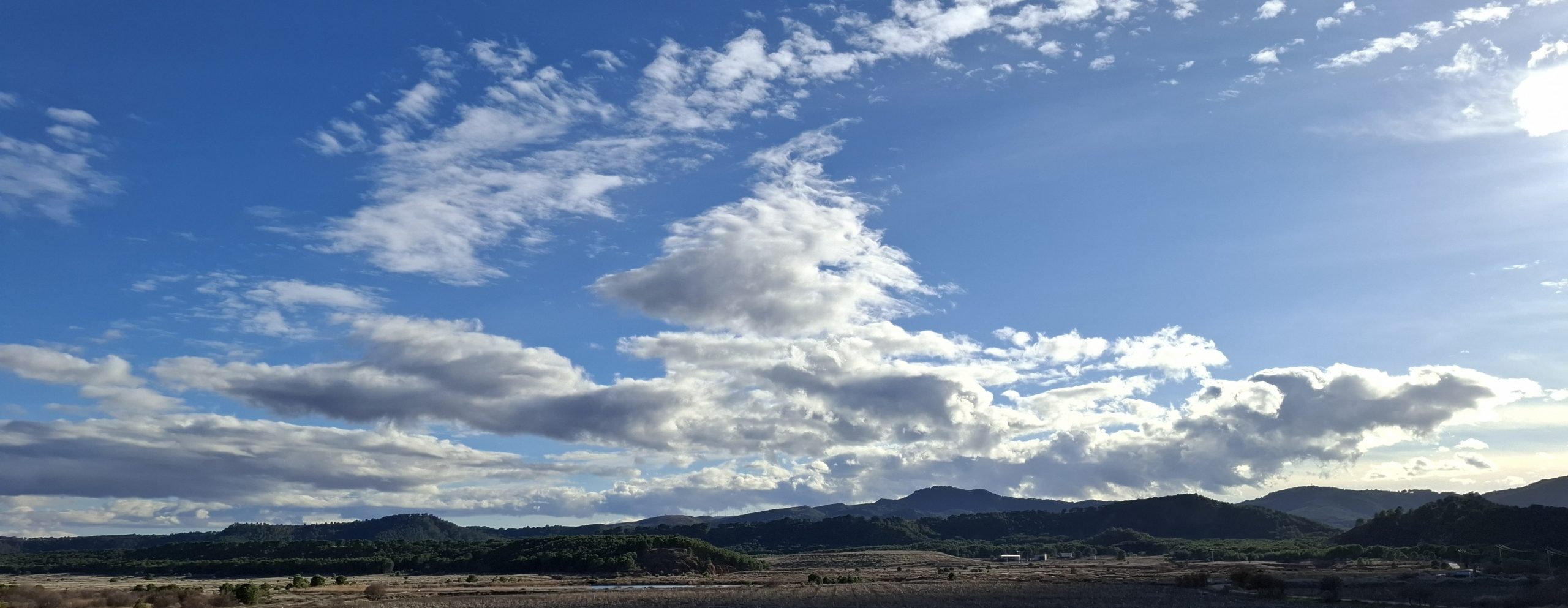
The Treble is a mountain system characterized by hills of clay, partially covered by stocking forest of aleppo pine. This landscape, surrounded by lagoons as The Cutthroat , The Waterproof, Recuenco and the reservoir Retriever, offers a variety of contrasts that make each visit a visual experience that is enriching, by integrating crop fields in your environment.
Within this environment you can find formations of singular of ground clay and sandstone, where the erosion of the hydrological has created ravines and gullies. These formations give rise to the typical steppe landscape known as fees.
The vegetation in this area is mainly composed of mediterranean scrub, including thyme, oak and ontina. In saline soils, it is common to find species such as the alfa grass and the ash. In regards to wildlife, wild boar, roe deer and rabbits are some of the usual. In addition, the bird-watching is rewarding, being able to observe owls are common, bee eaters and grajillas, which adds an element of attraction for nature lovers.
Reservoir Retriever, "The Swamp"
Built in 1855 for irrigation by the waters of the river Cidacos river, the reservoir Retriever covers an area of approximately 20 hectares. The perimeter of 2,600 meters is equipped with a path that allows to navigate the space both in vehicles and on foot, making it a place accessible to all.
This reservoir is an ideal place for leisure, sport and family entertainment, with picnic areas and a parking area that facilitates your visit. In addition, your end of fishing is managed by the company Canijuelo, offering opportunities for fishing enthusiasts.
Nestled in the main forest area of Calahorra, the reservoir is home to a varied vegetation, white poplar, black poplar, elm, and tamarices that grow near its shores. In regards to wildlife, the place is home to numerous species, especially migratory as the mallard, and the grebe, as well as fish such as carp and eels.