View of the Cidacos Valley

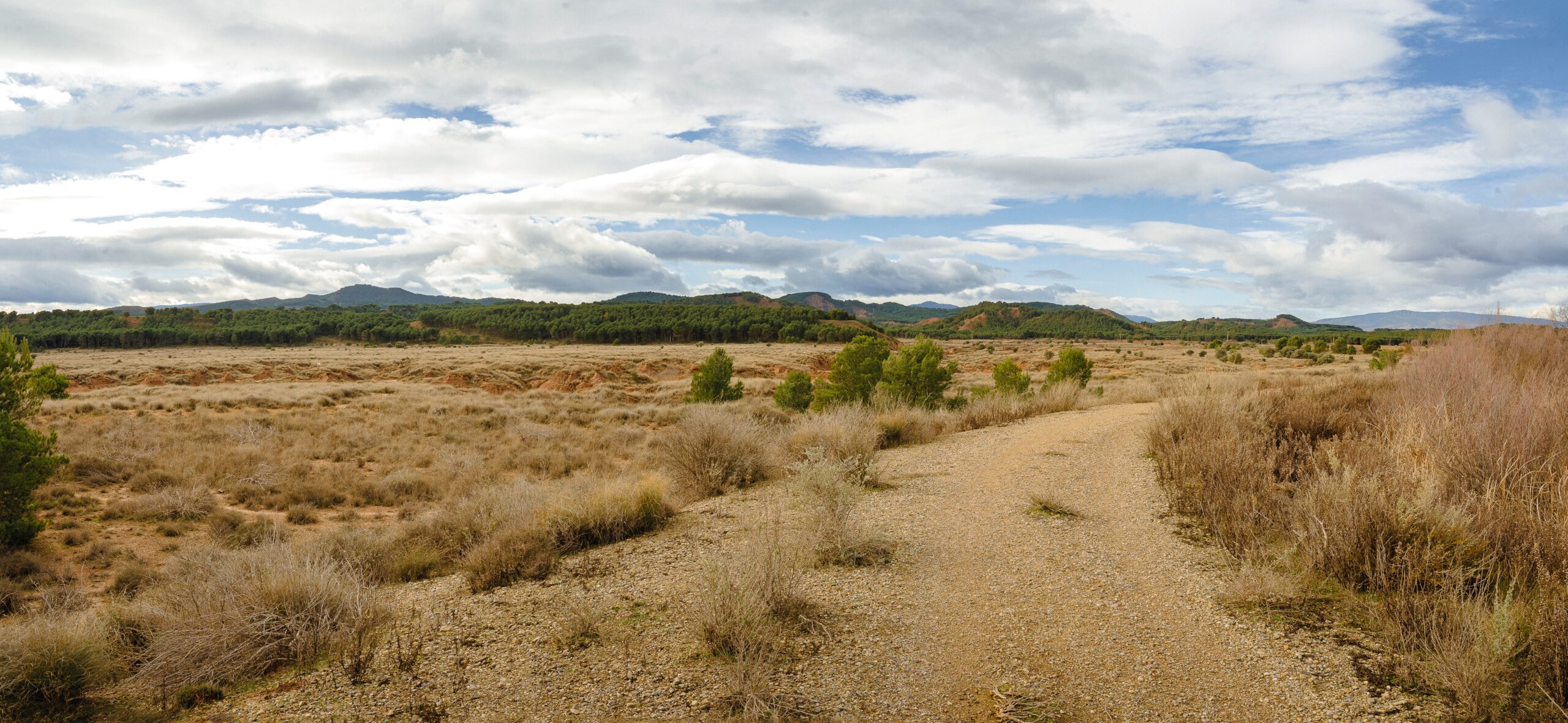
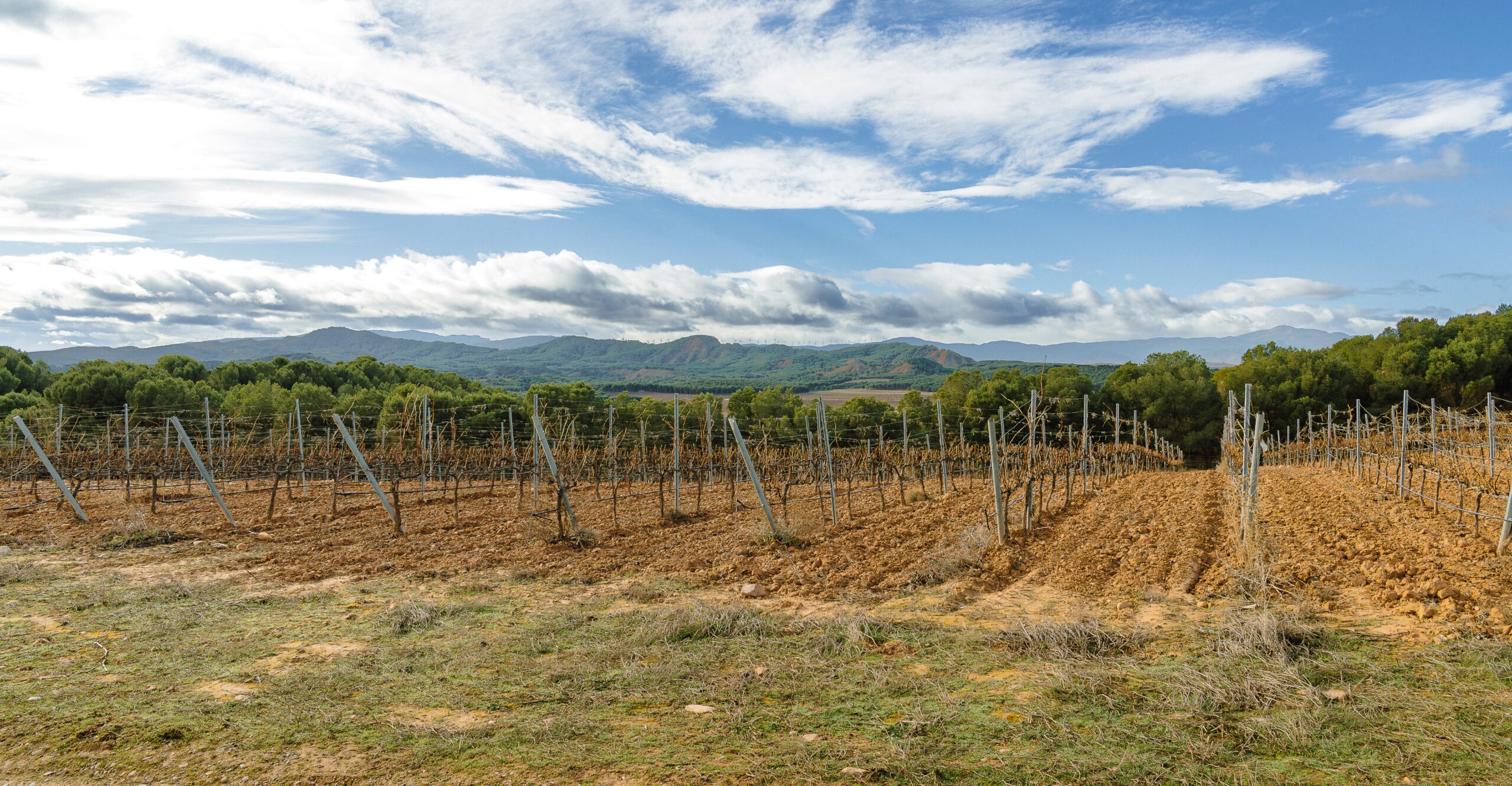
From this vantage point, a sweeping panoramic view of the Cidacos Valley unfolds, a landscape that offers insight into the relationship between the town of Calahorra, its agricultural surroundings and the mountain ranges that mark the horizon. It is an open and ever-changing view, where one can appreciate the natural transition between the lower reaches of the valley and the hills of the interior. In the foreground, open spaces predominate, with dry terrain where the presence of trees is limited. These lands have traditionally been used for crops such as vines, almond trees and olive trees, which form an agricultural mosaic adapted to the conditions of the terrain. As the view recedes, the terrain begins to rise gradually. The slopes give way to areas of denser vegetation, where holm oaks, Mediterranean scrub and areas of pine forest appear, reflecting a clear change in the landscape.

Landmarks on the horizon

Among the most striking features is Mount Yerga, which stands out as one of the area’s main landmarks. Its silhouette dominates much of the landscape and acts as a link between the valley and the mountains. Further afield, other hills complete the panorama, such as Peña Isasa, whose shape stands out against the horizon. On a clear day, it is even possible to make out more distant mountain ranges, which reinforces the sense of the area’s vastness. *** Translated with www.DeepL.com/Translator (free version) ***

The role of the river

Although not always visible from this vantage point, the River Cidacos has played a key role in shaping this landscape. Its presence has enabled the development of fertile areas in the valley and has encouraged the emergence of green corridors along its banks. These areas provide a contrast to the drier surroundings, introducing vegetation such as poplars, aspens and willows, which line the watercourse and enrich the diversity of the landscape.

A diverse environment

The variety of terrain and land uses results in remarkable natural richness. From open areas to riverbank zones or higher slopes, the valley is home to a range of habitats where numerous animal species coexist.

It is common to see birds in flight taking advantage of the air currents, as well as wildlife associated with crops or areas closer to the water. This diversity makes the valley a dynamic space, full of life.

The Cidacos Valley is the result of the interaction between nature and human activity over time. Agriculture, water use and adaptation to the environment have shaped this territory, which today combines tradition and landscape.

This view helps us understand that evolution and offers a complete picture of one of the most representative environments of La Rioja Baja, where the valley and the mountains meet in a single landscape.