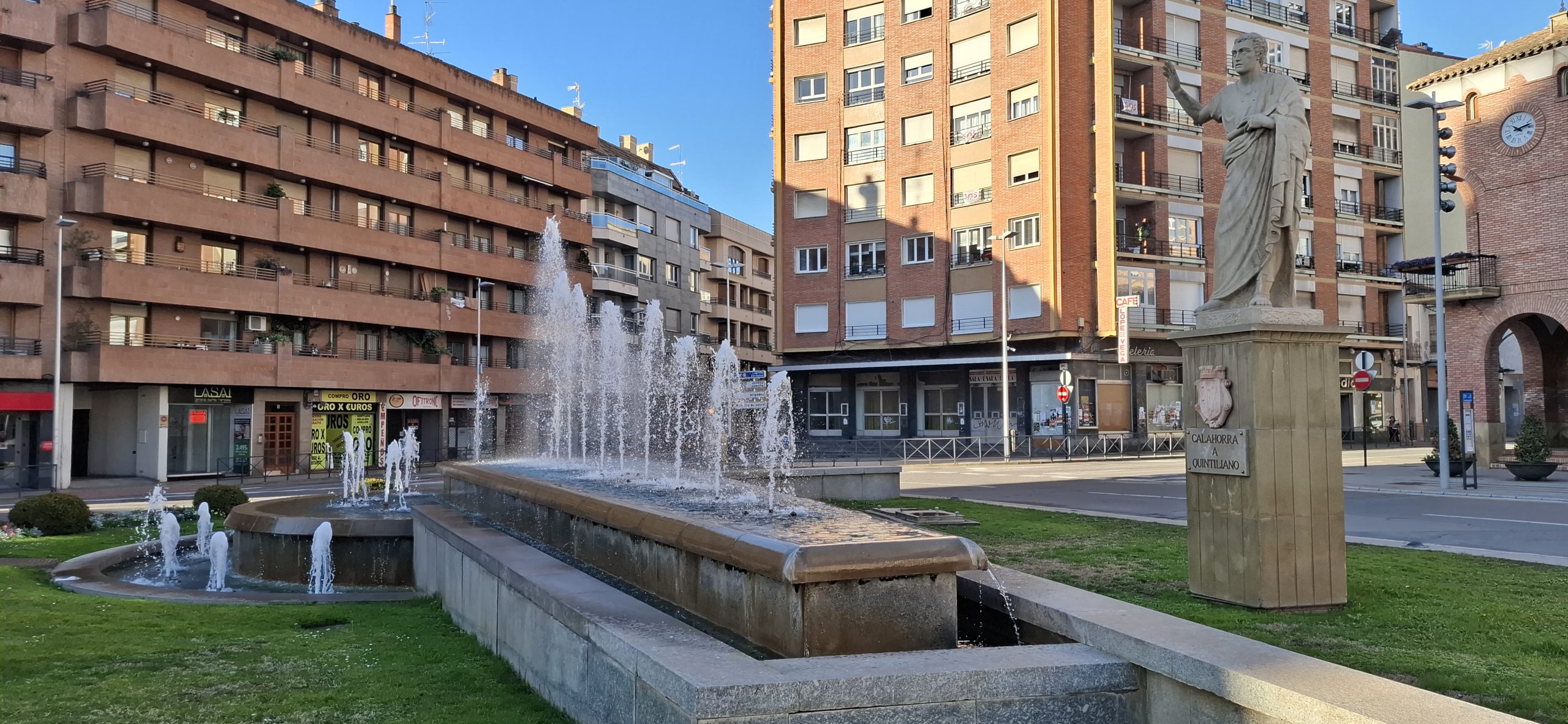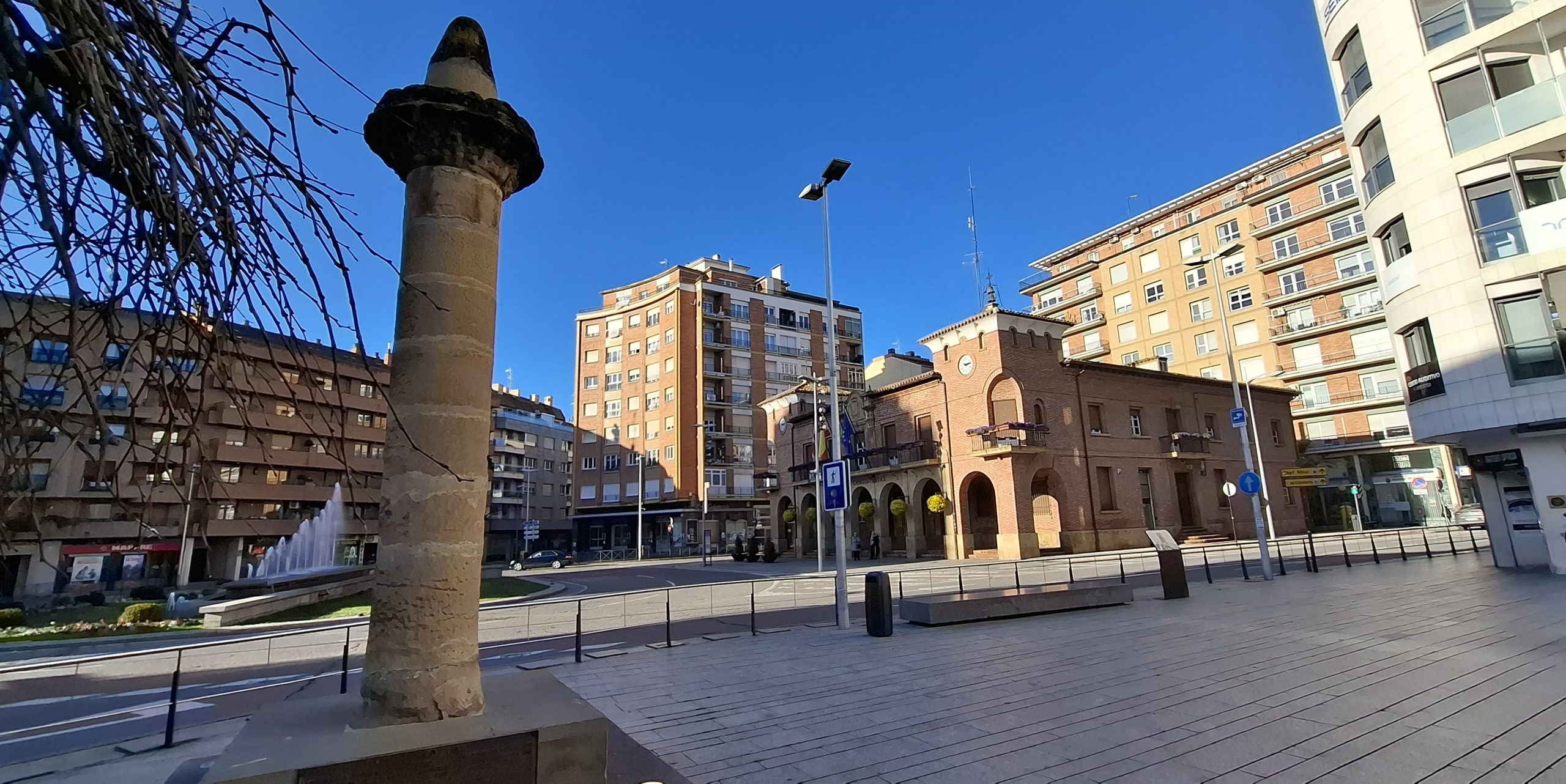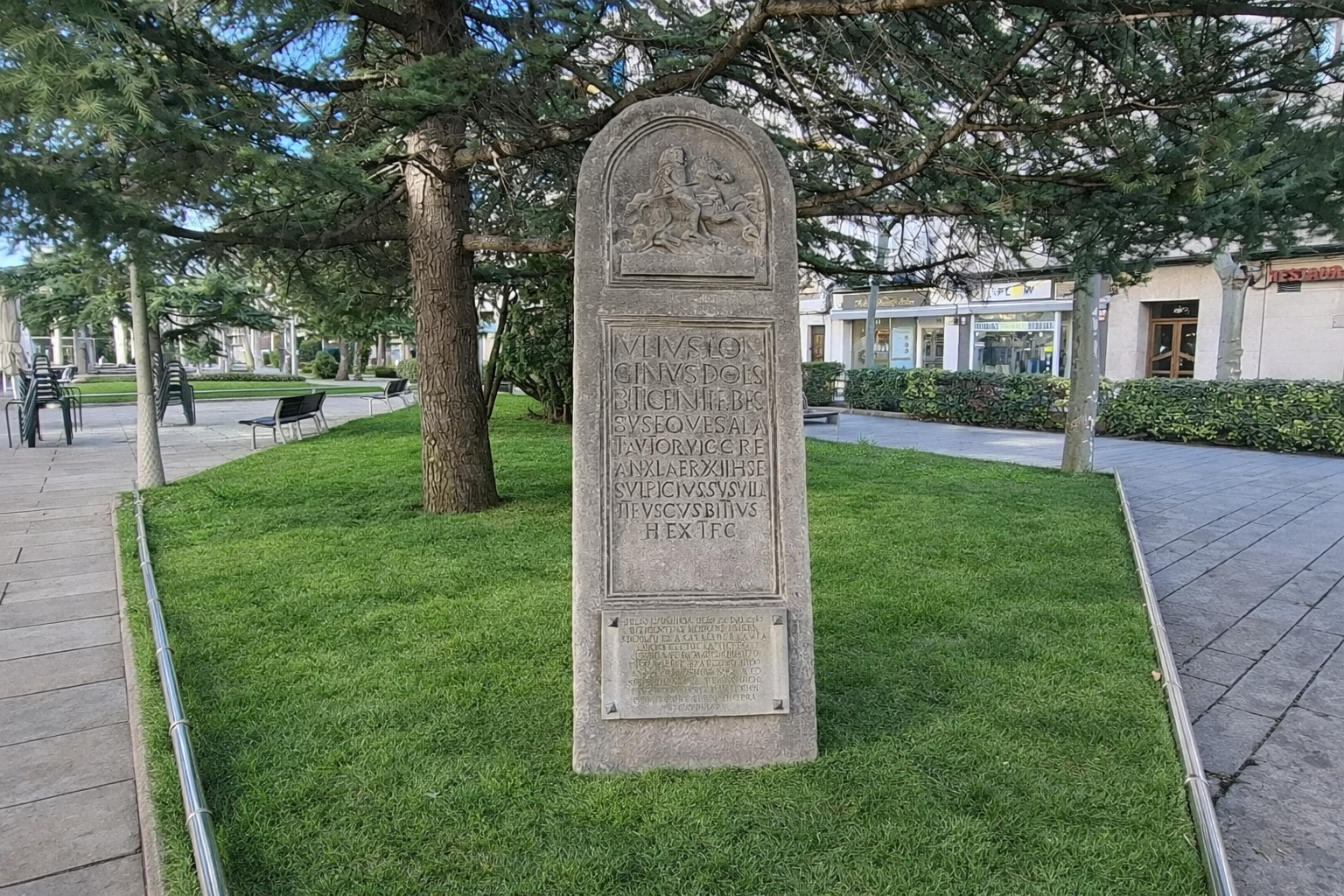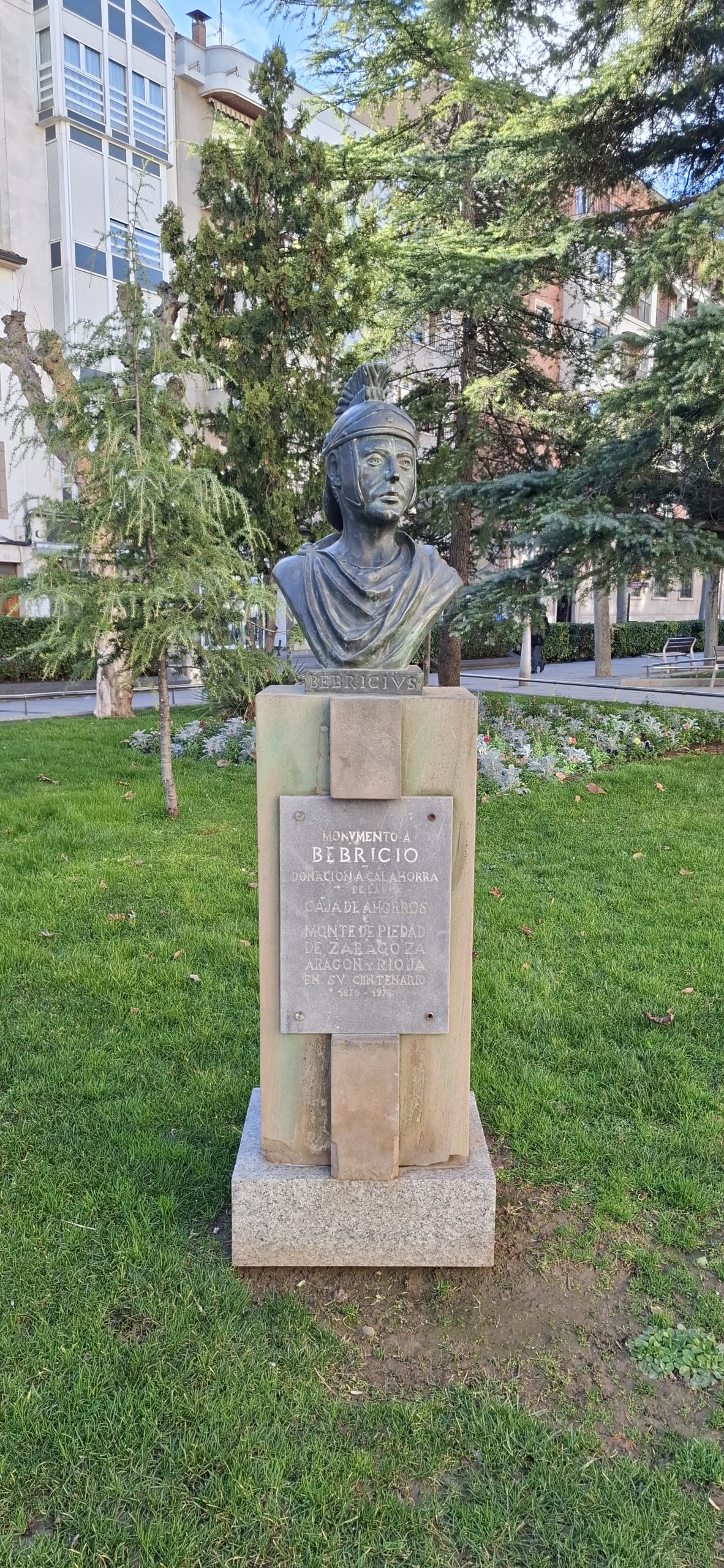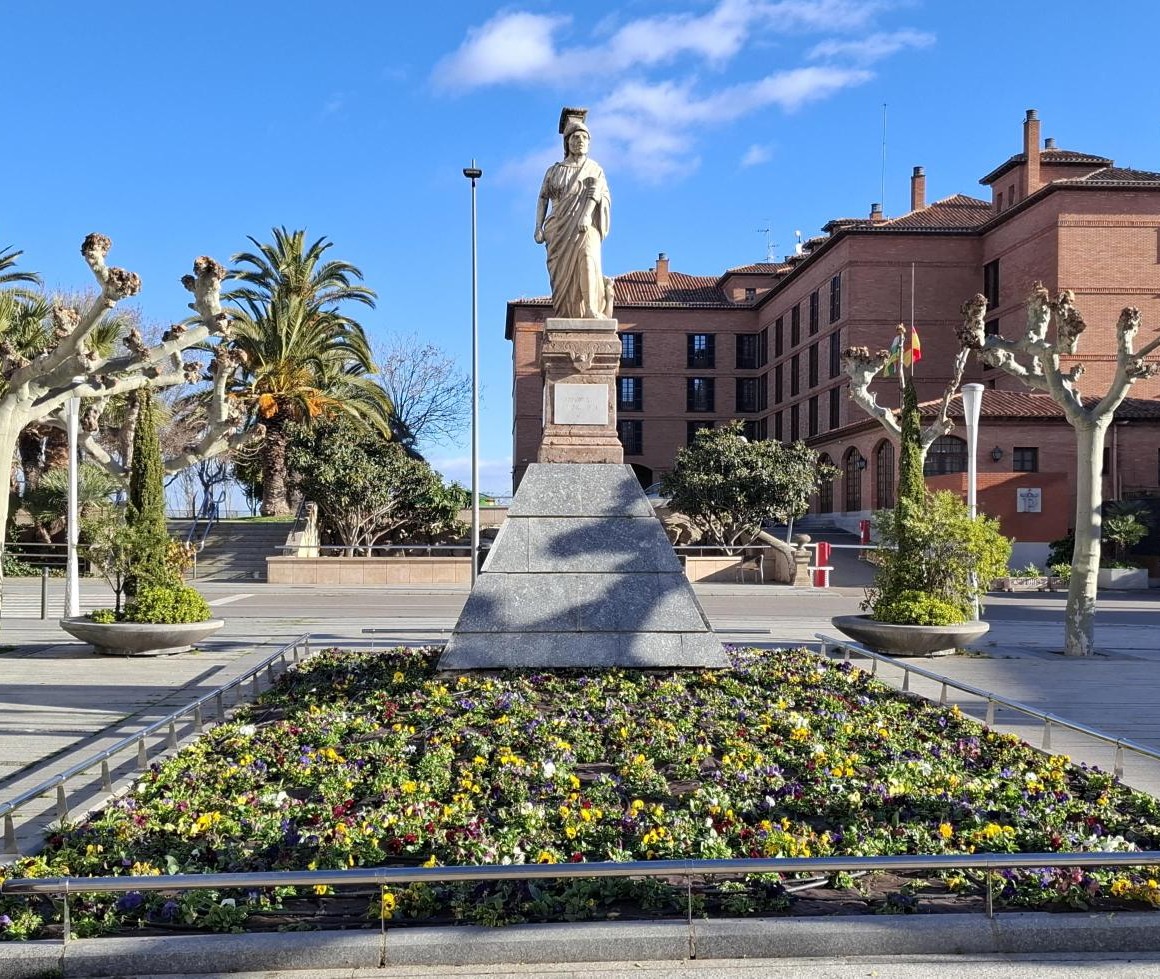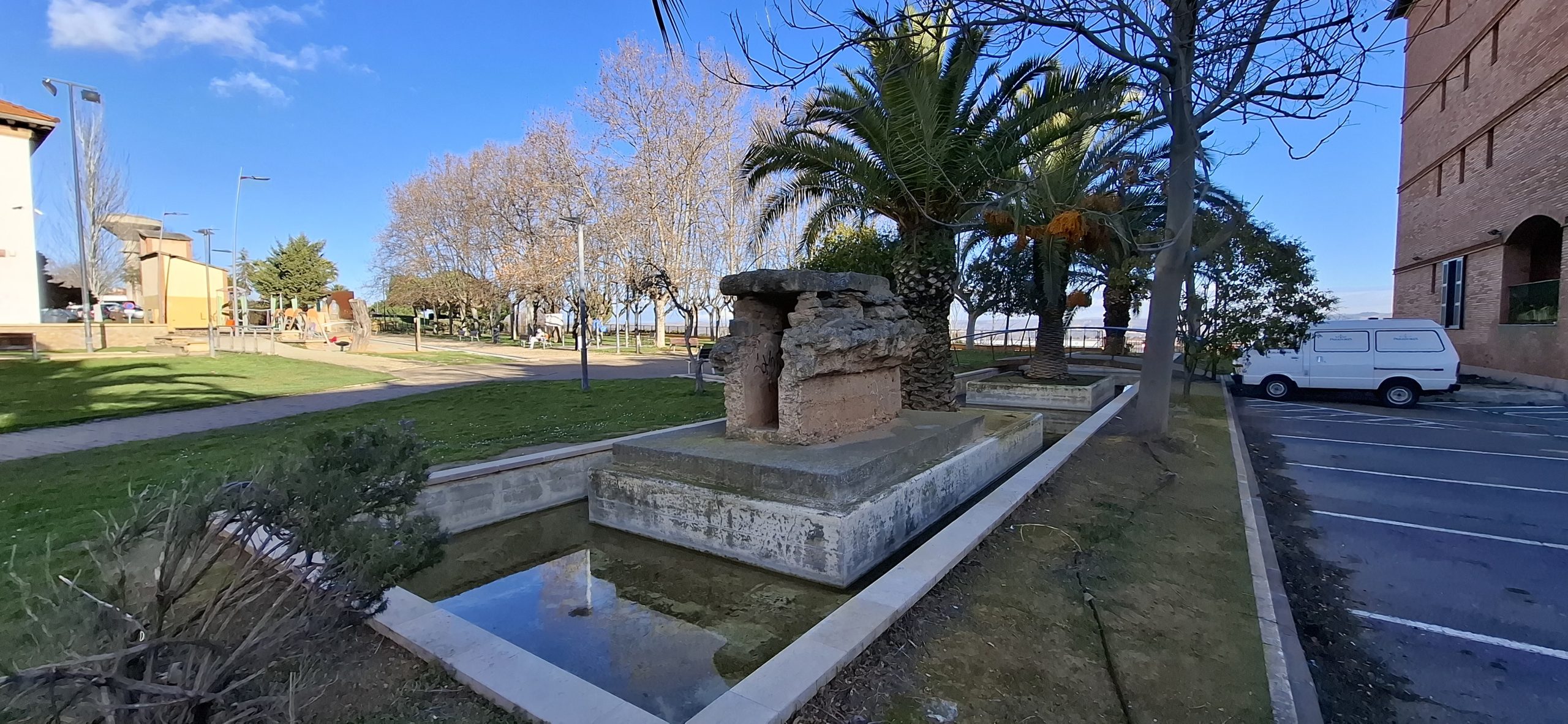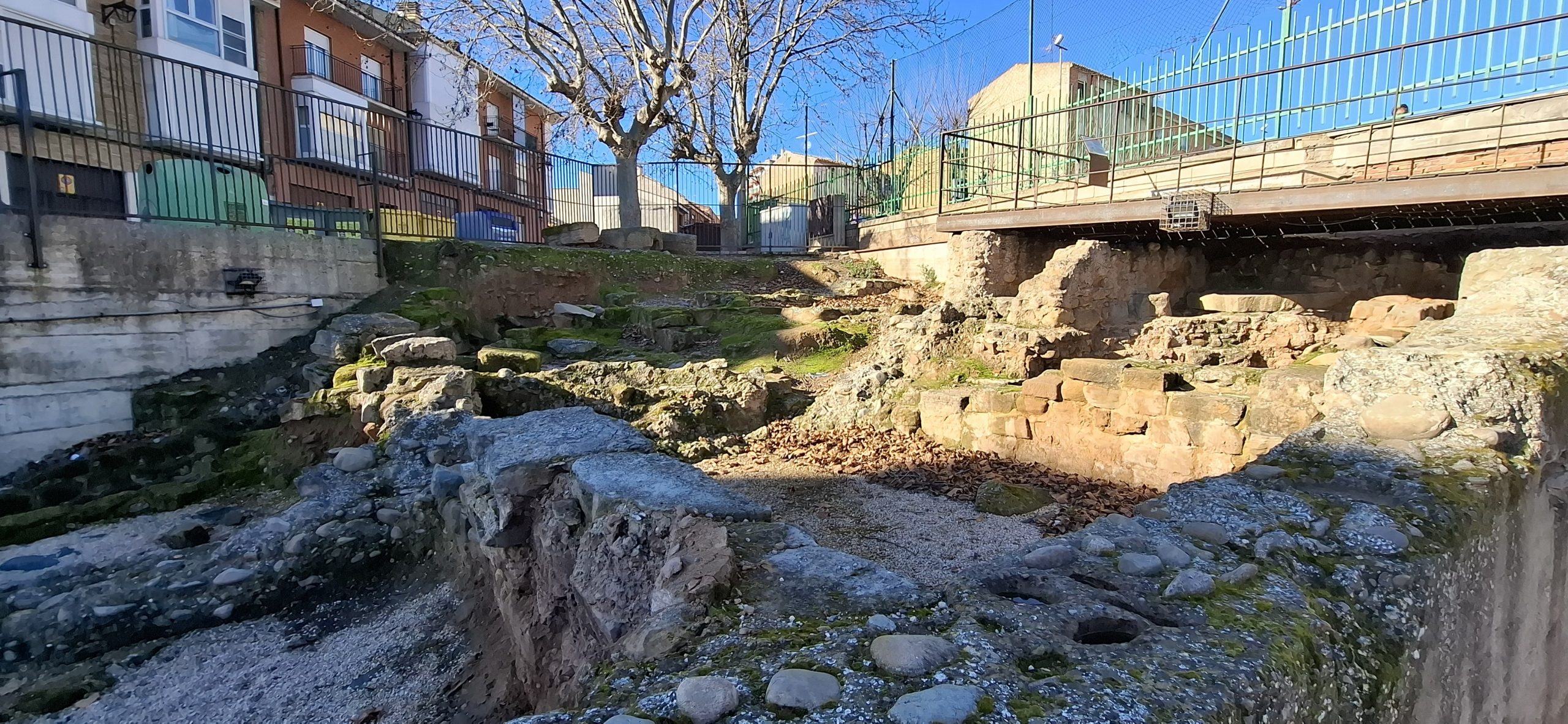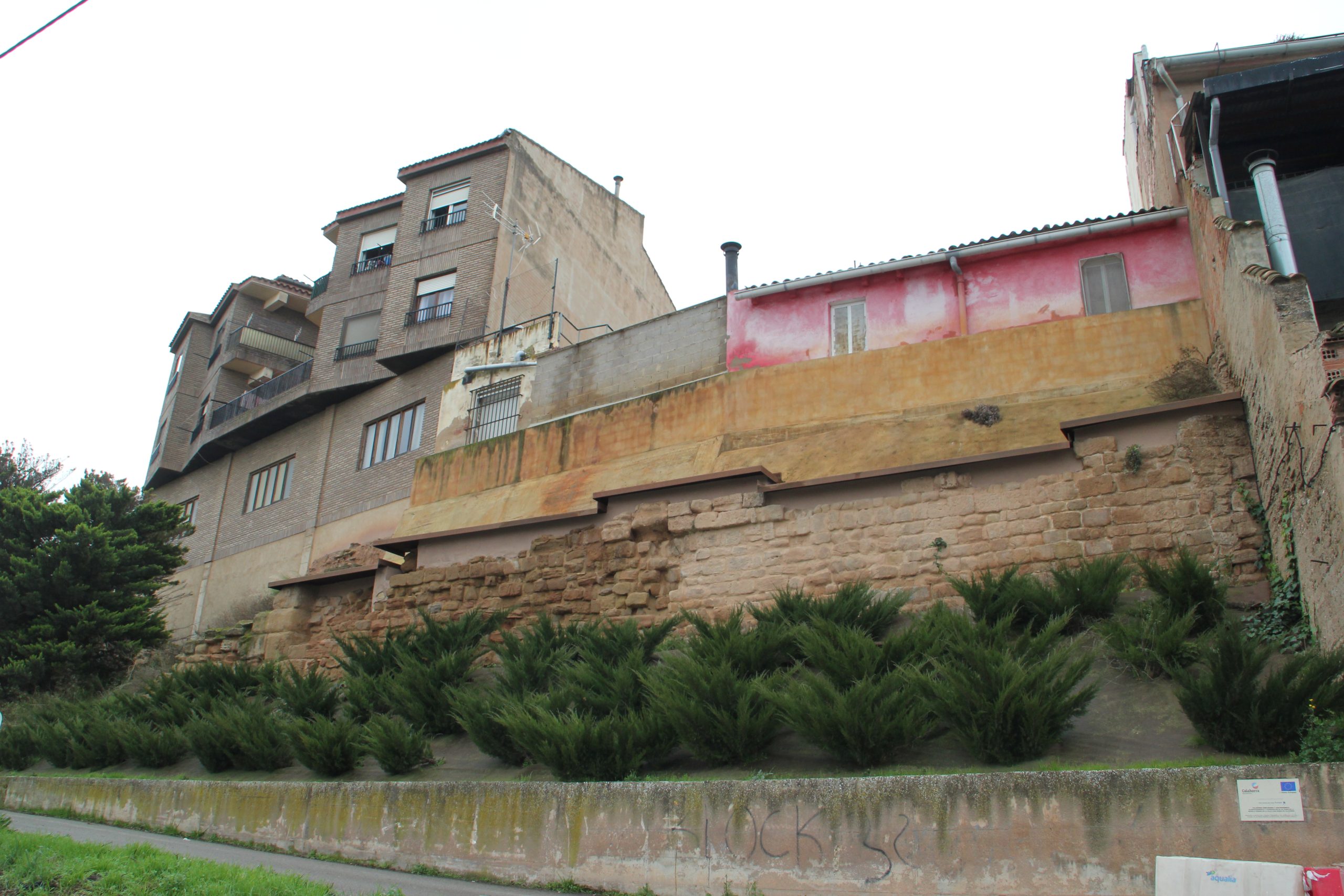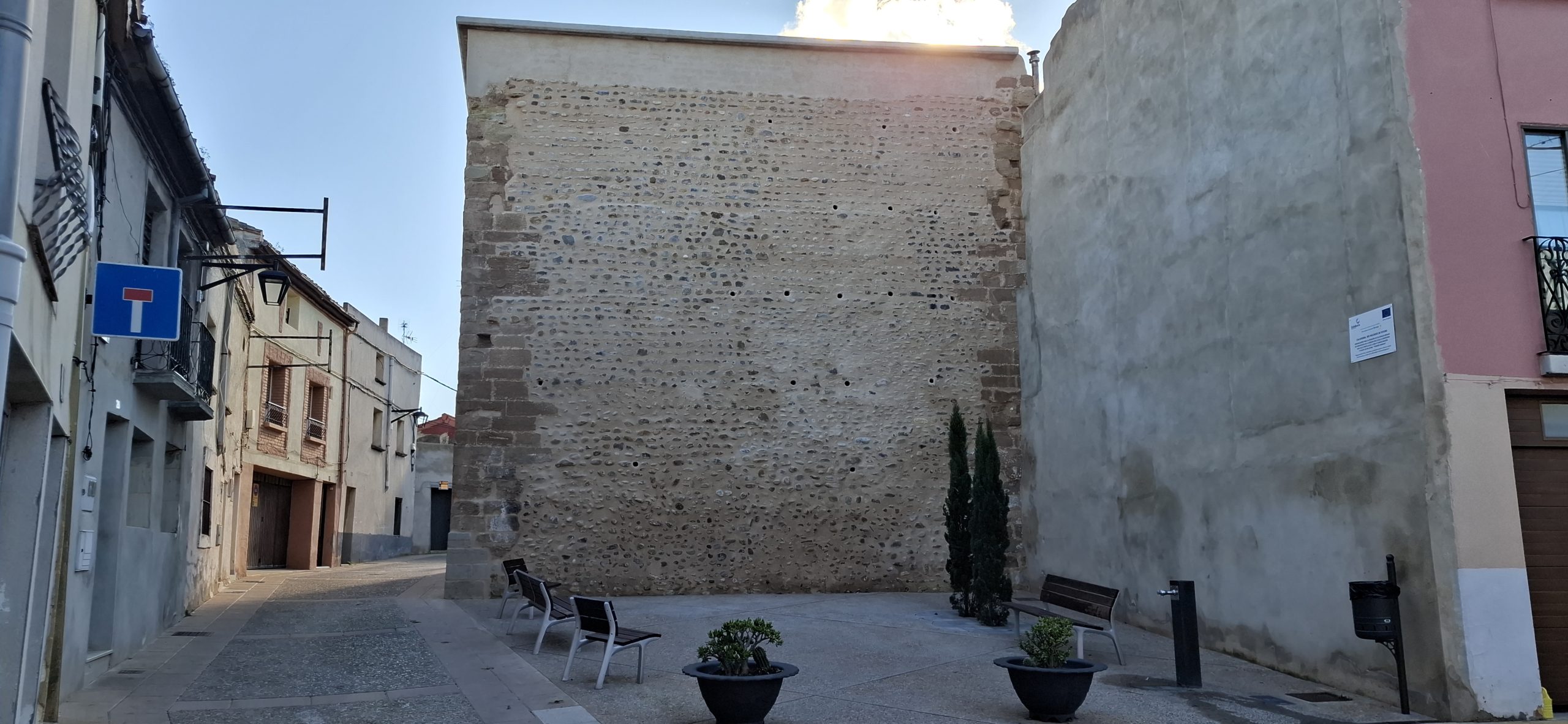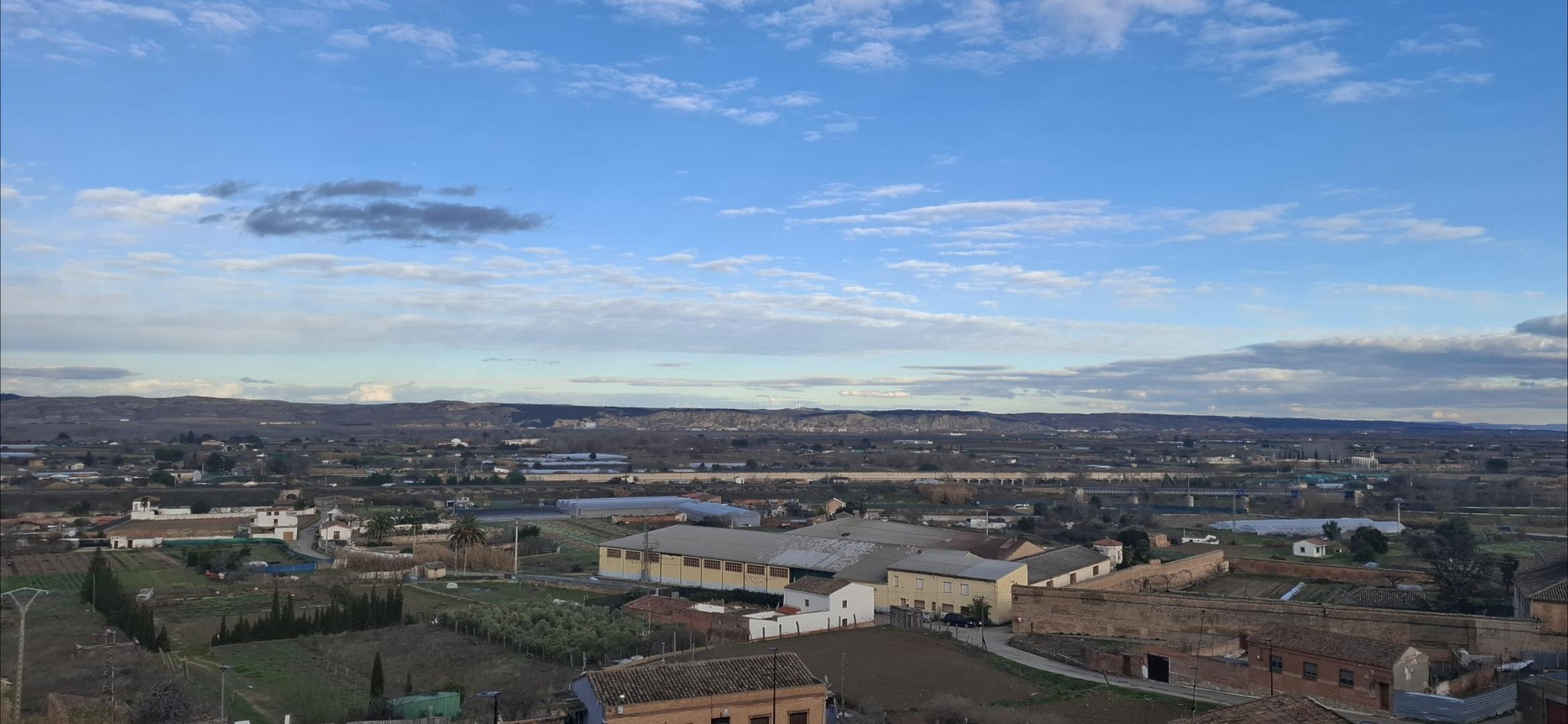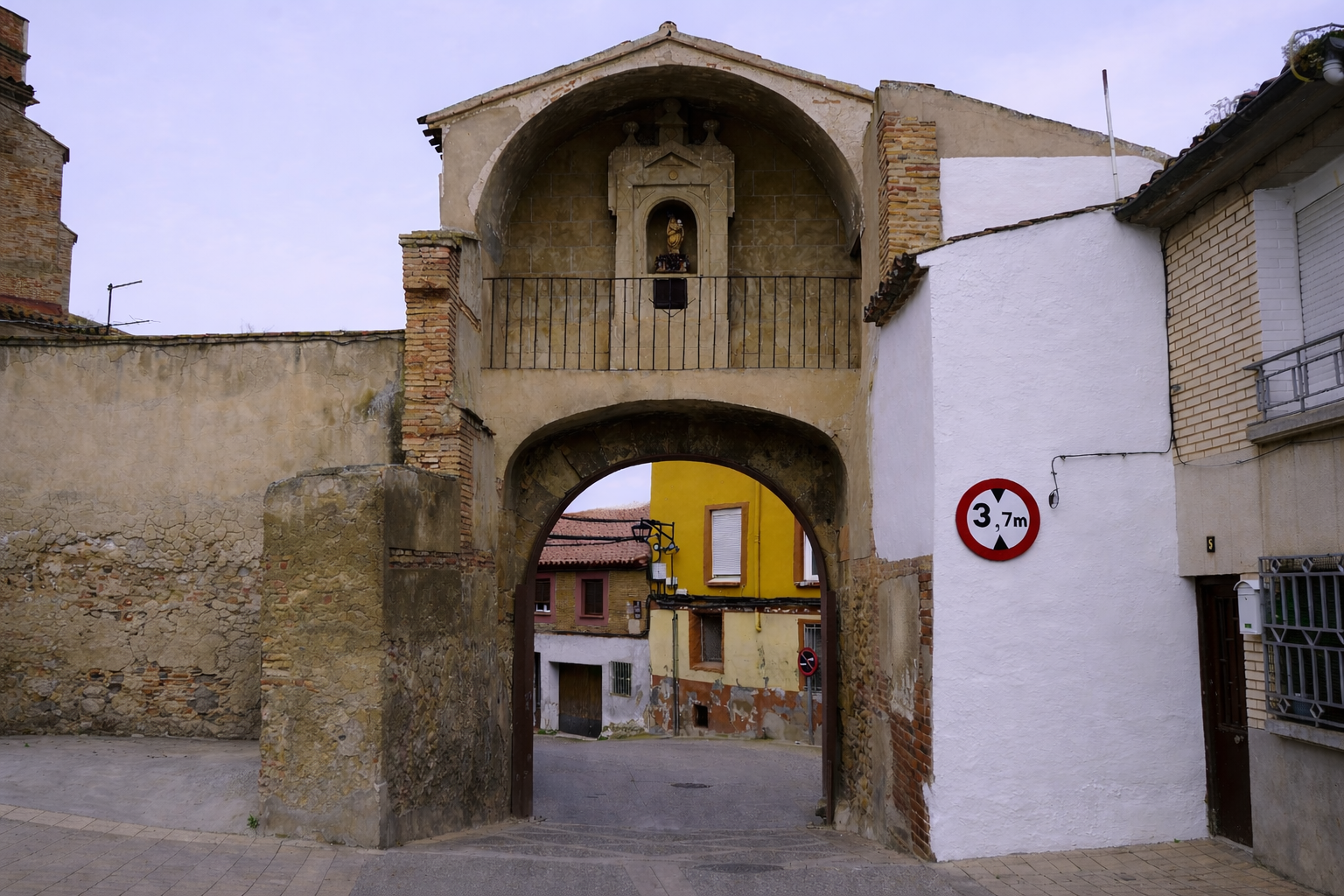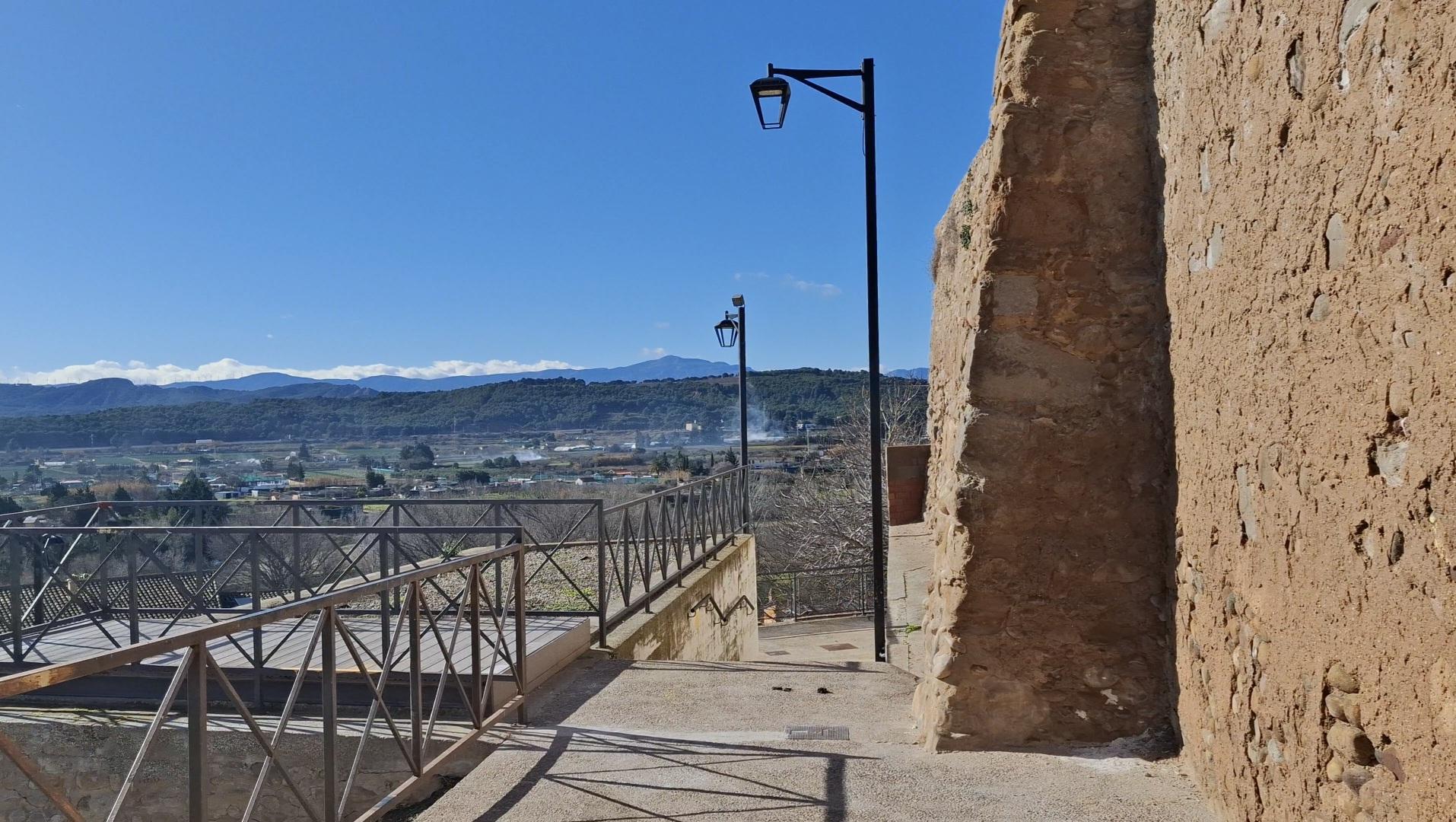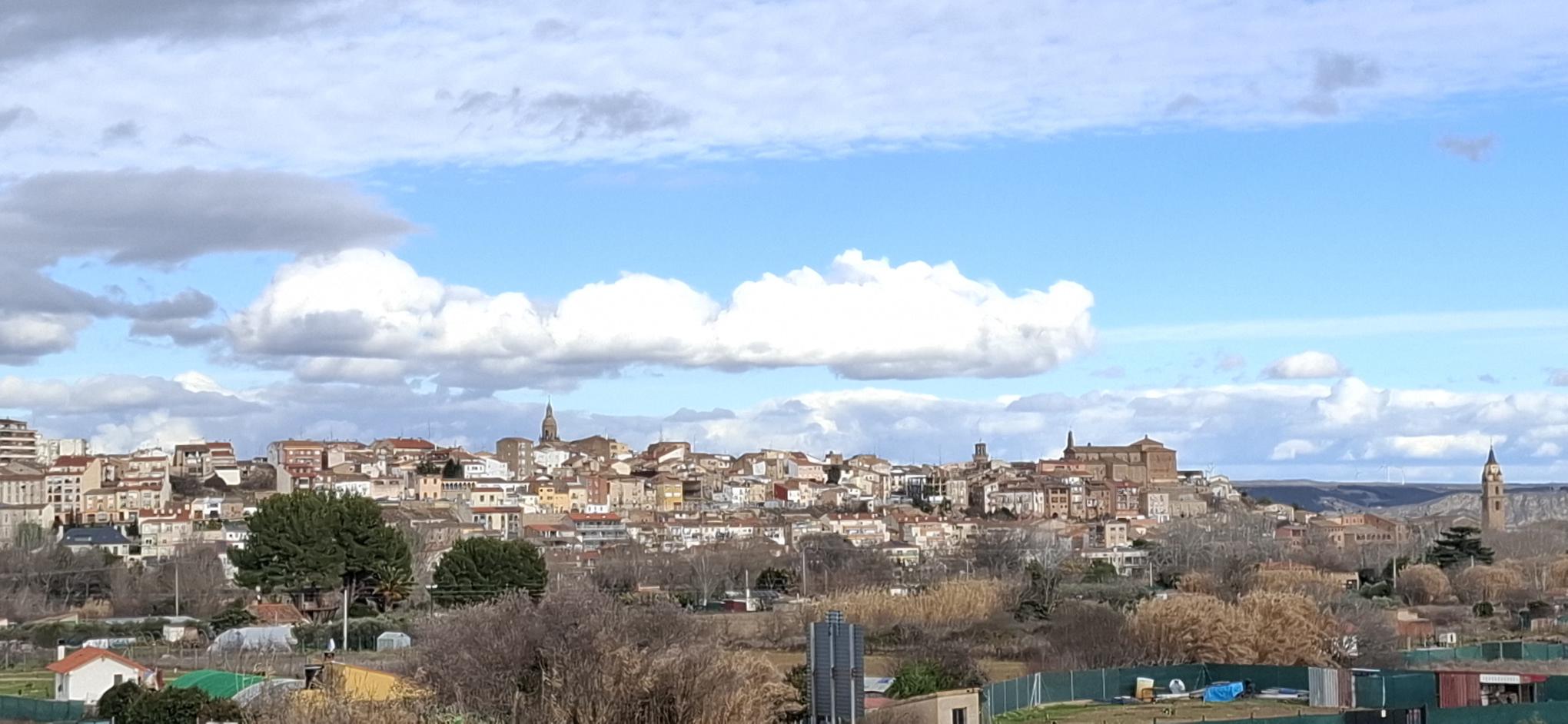
The ancient history of the city of Calahorra can be explained by its strategic position between the rivers Cidacos and Ebro and by its location on a hill overlooking the fertile plains that surround it. If there was ever a time in history when Calahorra shone with great intensity and in its own right, it was during the Roman period.
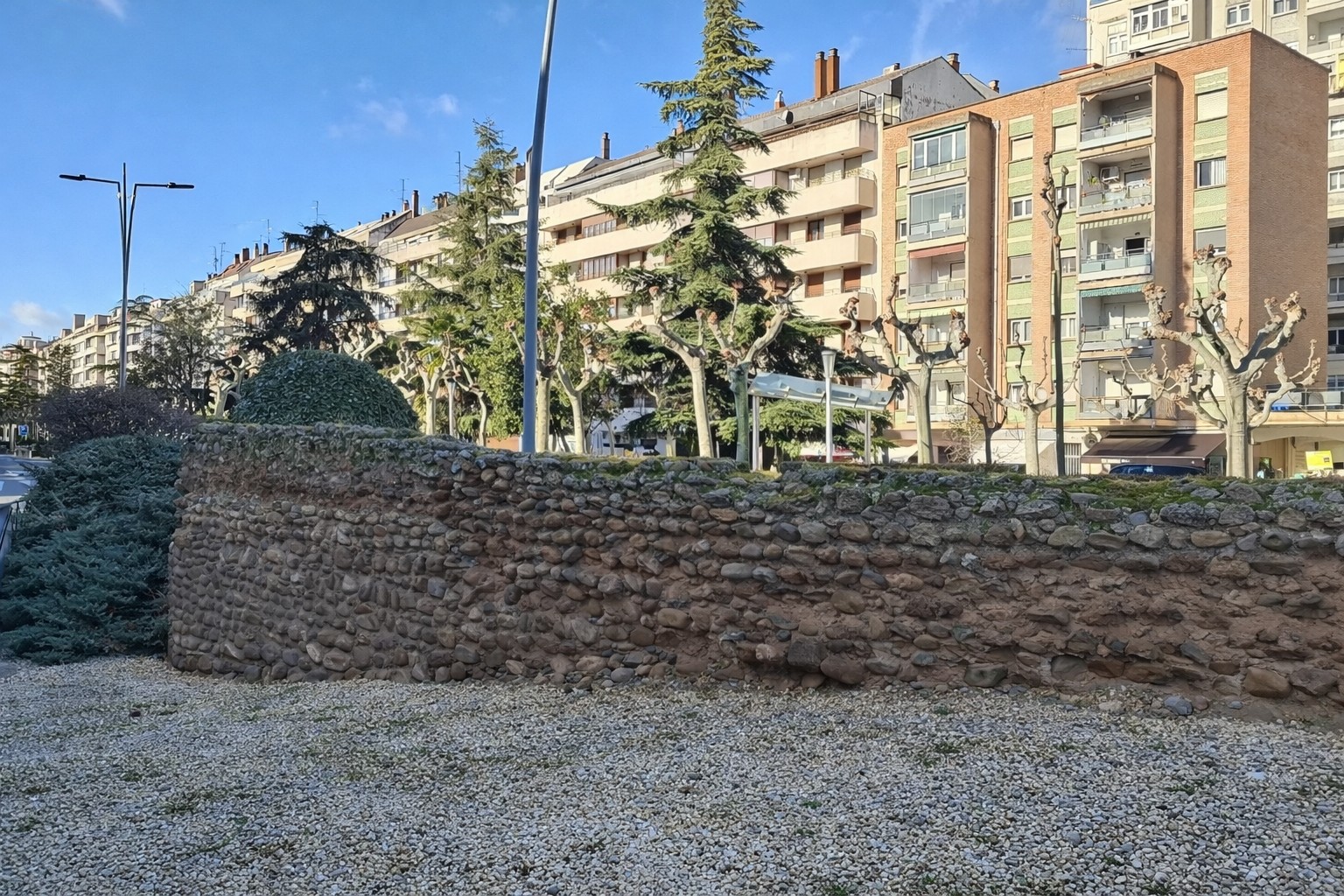
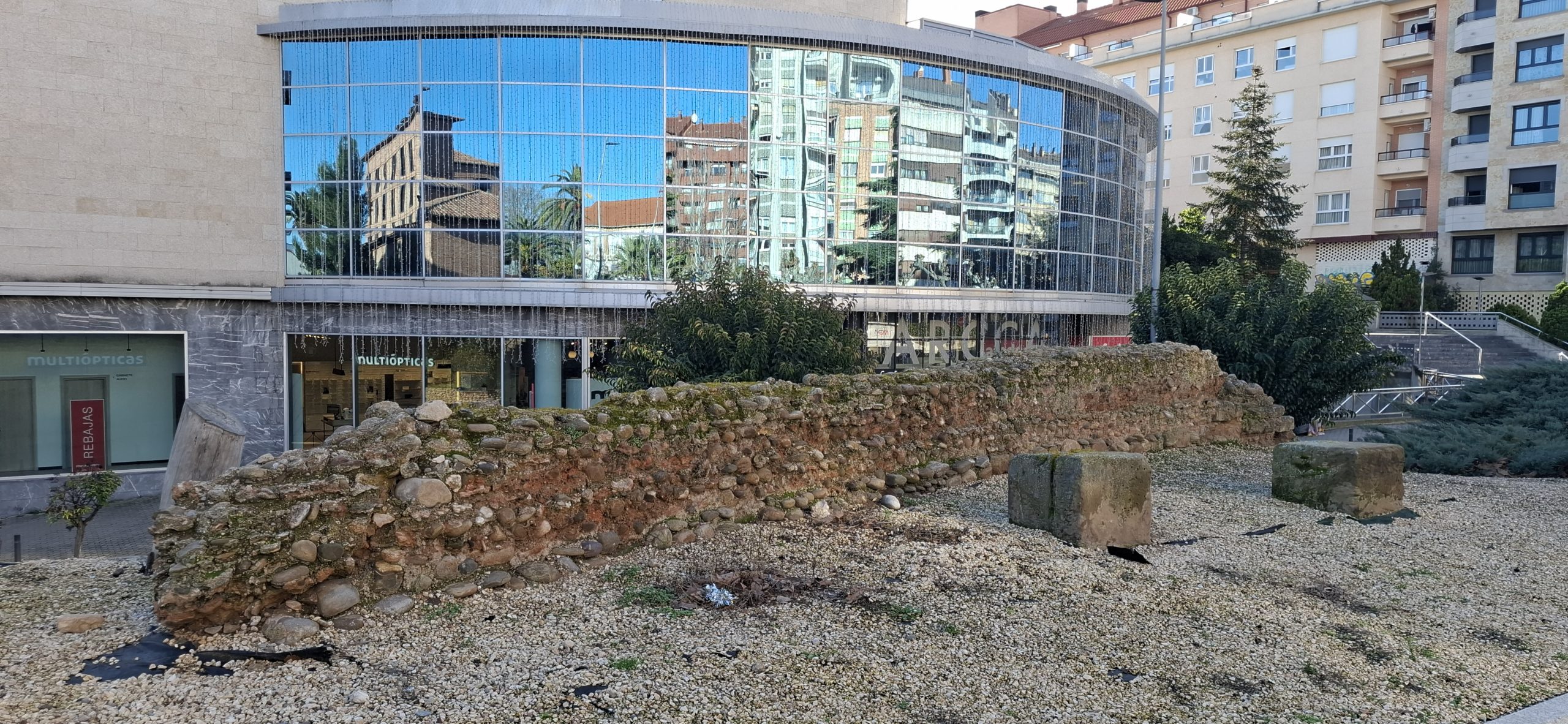
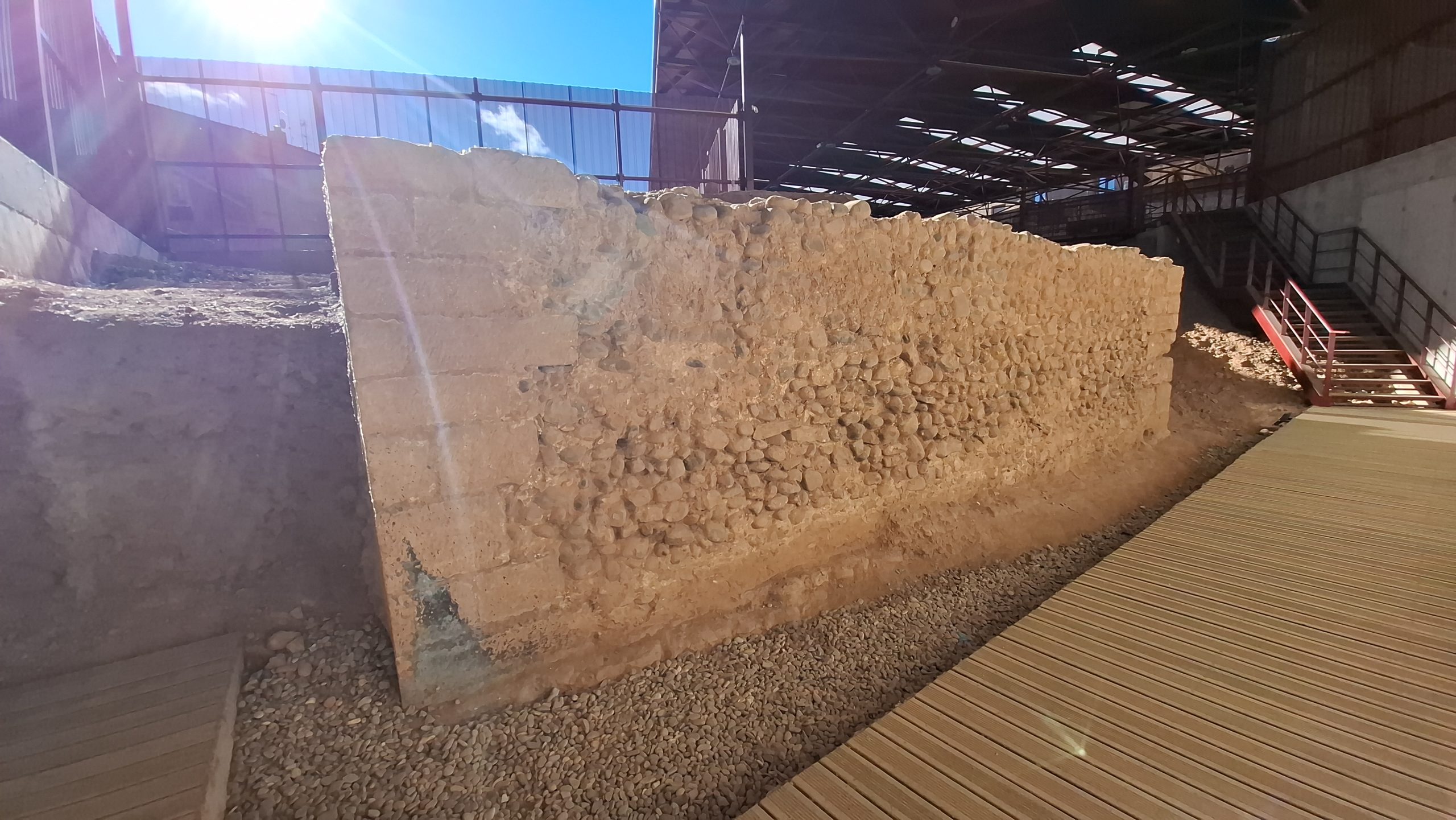
Calagurris was situated on the road De Italia in Hispanias, which crossed the River Cidacos near the Sanctuary of El Carmen. From here, other roads branched off towards Numancia and Pamplona. These roads transformed the town and its surroundings into an important commercial hub, and by the 1st century it already boasted defensive structures such as the walls of El Sequeral.
Under Emperor Augustus, Calagurris Iulia Nassica, now known as Calahorra, reached the height of its splendour; it was granted Roman citizenship and attained the status of a municipality. The coinage issued by the Calagurris mint attests to its importance during the 1st century BC and the first quarter of the 1st century AD.
The complete Romanisation of the city around the turn of the era allowed all its structures to be adapted to Roman standards, turning the municipality into a ‘little Rome’, with all its features modelled on the capital.