Routes by las vegas Calahorra
The routes of the fertile valley of the river Cidacos and the fertile valley of the Ebro allow you to discover two of the best landscapes that are representative of the natural environment of Calahorra. Through accessible paths and routes of low difficulty, both proposals closer to the visitor to a territory shaped by the presence of water, the orchard and riparian vegetation.
The Route fertile valley of the river Cidacos jutting out into the landscape associated with the river Cidacos, vegetable gardens and spaces of the shore, while also incorporating enclaves such as the Park of the Cidacos river, the reservoir of the Retriever or the source Caricente. For its part, the Route fertile valley of the Ebro allows to navigate the environment with the river Ebro and the confluence with the river Cidacos.
Route fertile valley of the river Cidacos
The route Vega of the Cidacos river runs through one of the natural environments and agricultural more representative of Calahorra. Along its route, allows you to discover the relationship between the river, the garden and the traditional paths that make up this part of the municipality.
With a tour of 13,44 kilometers, a height soft +80 m and -80 m, and an estimated duration of 3 hours and 7 minutes, this is a path of low difficulty, suitable to perform on foot, and enjoy the calm of the landscape.
The route passes through some of the most characteristic of the environment of the Cidacos river, as the Park of the Cidacos river, the banks of the river, the gardens traditional, the reservoir of the Retriever and the source Caricente. All of them form a set in which nature and agricultural activity appear closely united.
A journey between water and vegetable garden
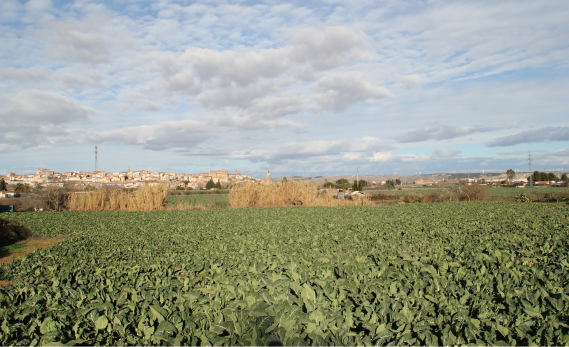
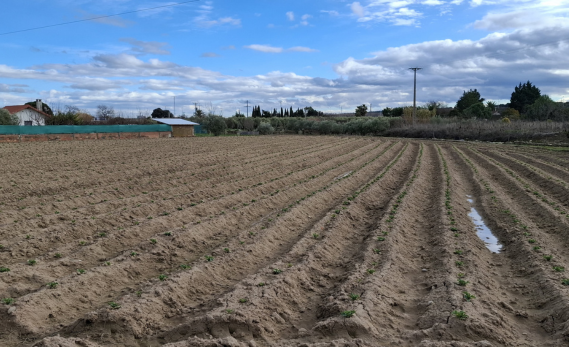
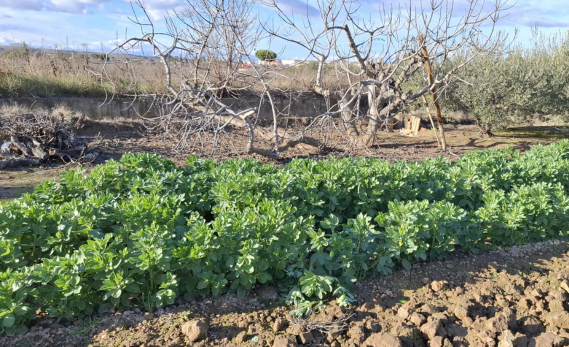
The route runs through a landscape shaped by the presence of the river Cidacos. Its banks, channels of irrigation, the cultivated fields and agricultural roads make up a territory of great environmental value and scenic beauty.
As you go through the tour, the visitor moves between spaces of riparian vegetation and cultivation areas, in an environment where the water has been essential to the development of the garden calagurritana. The route allows you to understand how the river does not only form a part of the natural landscape, but also of the organization’s historical territory.
Flora and fauna
The vegetation of this environment combines species belonging to the riverside with crops and agricultural plantations traditional. Among the most frequent species include:
- Poplar, poplar, tamarices and willow
- horticultural Crops
- and Fruit trees, olive trees, almond trees and vineyards,
The diversity of environments also promotes the presence of fauna related to water and the agricultural landscape. Among the birds can be observed as the kingfisher, the stork aqua, the osprey, ducks, coots, marine, loons, owls, and thrushes.
In the waters of the river Cidacos are present species such as tench, the eel, the fish and the crayfish, while among the mammals, the presence of rabbits.
Route fertile valley of the Ebro
The Route fertile valley of the Ebro allows you to discover the environment of the bank associated with the stretch of the river Ebro your step-by-Calahorra, as well as the confluence of this river with the river Cidacos. It is a journey of marked character river, in which the vegetation and the presence of water defined in a clear way the landscape.
With a length of 9,15 kilometers, a height of +32 m and -33 m, and an estimated time of 2 hours and 6 minutes, this route presents a low difficulty, which makes it a journey, comfortable and affordable.
Its main natural attraction is located on the banks of the Cidacos river, and the Ebro, where you can find banks, groves, wetlands, and agricultural plots next to the bed. It is a space that allows us to understand the importance of the rivers in the configuration of the territory and in the richness of the environment.
A landscape of the shore
The route crosses through a characteristic landscape of the valley of the Ebro, where the proximity of the water encourages the development of a strip plant that accompanies the channel and creates spaces of great ecological and landscape interest.
The vegetation is mainly composed of:
- Poplar, poplar, tamarices and willow
- horticultural Crops in the nearby areas
This combination of bank and orchard defines a large part of the character of the route and shows the continuity between the natural environment and the agricultural landscape.
Flora and fauna
The fertile valley of the Ebro presents a remarkable diversity of wildlife, especially in the areas closest to the river banks and at the mouth of the river Cidacos. Among the birds that can be found include the kingfisher, the stork aqua, the osprey, the herons, as well as ducks, coots, marine, loons, owls, and thrushes.
In the aquatic environment species as the madrilla, the barbel, the crayfish, the tent, the pike, the bleak and the catfish.
Among the mammals found in this environment are wild boars, rabbits, otters, european mink, foxes and deers species that find shelter in the vegetation and in the spaces least altered of the tour.